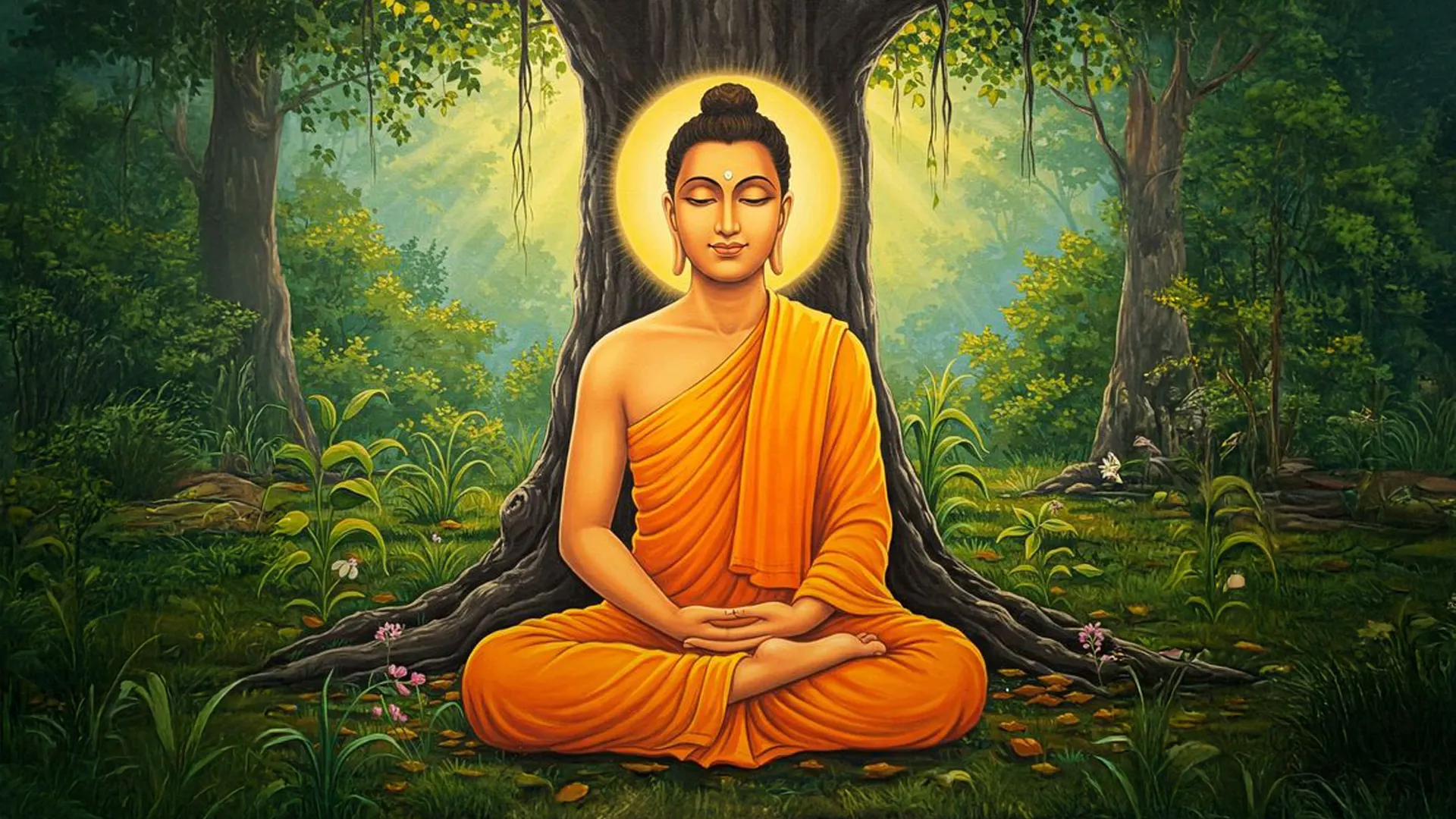
Tranquility: The Depths of Wisdom
In the words of the Buddha, "As a deep lake, clear and undisturbed, even so the wise become tranquil after they have heard the law." This profound statement invites us to consider the nature of wisdom and tranquility, suggesting that true understanding leads to a serene state of being. The metaphor of a deep lake evokes a sense of clarity and calm, emphasizing that wisdom is not merely an intellectual pursuit but a transformative experience that can bring peace to the mind and heart. In a world often characterized by chaos and noise, this teaching reminds us of the profound stillness that can arise from deep contemplation and insight.
Moreover, this quote speaks to the essence of the Buddha's teachings, encapsulating the journey from ignorance to enlightenment. The image of a tranquil lake serves as a powerful reminder that wisdom, when fully realized, brings about a state of inner peace that is both clear and undisturbed. This tranquility is not a passive state but an active engagement with the truth, a reflection of the clarity that arises when one truly hears and understands the law, or Dharma. In this light, the quote becomes a call to seek deeper understanding, to cultivate a mind that is both wise and serene.
The image / the metaphor
The metaphor of a "deep lake" conjures an image of stillness and clarity, suggesting that wisdom is akin to a body of water that remains undisturbed by external forces. The choice of words such as "clear" and "undisturbed" emphasizes the purity of this state, indicating that true wisdom allows one to rise above the tumult of everyday life. Just as a lake reflects the sky when it is calm, so too does a wise person reflect the truth of existence when they are at peace. This imagery invites us to consider how our own minds can become like that lake, free from the ripples of distraction and confusion.
Diving deeper into this metaphor, we find that the lake represents not only tranquility but also depth. A shallow body of water may be easily disturbed, but a deep lake holds a vast reservoir of wisdom beneath its surface. This suggests that true wisdom is not superficial; it requires depth of understanding and experience. The tranquility that follows the hearing of the law is a natural consequence of this depth, as it allows one to engage with the complexities of life without being overwhelmed. Thus, the metaphor serves as a reminder that the journey toward wisdom is one of both exploration and stillness.
In the speaker's tradition
Within the context of Buddhism, this quote encapsulates key concepts such as Dharma and the path to enlightenment. The term "Dharma" refers to the teachings of the Buddha, which guide practitioners toward understanding the nature of reality and the cessation of suffering. The tranquility that arises from hearing the law reflects the transformative power of these teachings, as they encourage individuals to let go of attachments and cultivate a mind that is free from disturbance. This process aligns with the Buddhist notion of "kenosis," or self-emptying, which invites practitioners to release their ego-driven desires and embrace a more profound understanding of existence.
Moreover, this idea resonates with the concept of "prajna," or wisdom, which is central to Buddhist practice. Prajna is not merely intellectual knowledge but a deep, experiential understanding of the nature of reality. In the "Dhammapada," the text from which this quote is drawn, the Buddha emphasizes the importance of cultivating wisdom through mindfulness and ethical living. The tranquility that follows the hearing of the law is thus a manifestation of this deeper understanding, illustrating how the teachings of the Buddha can lead to a profound inner peace that transcends the chaos of the world.
Living the teaching
Consider a modern scenario where this teaching might resonate: a busy professional navigating the demands of work and personal life. In the midst of deadlines and responsibilities, one might feel overwhelmed, their mind a flurry of thoughts and worries. However, by taking a moment to pause and reflect on the teachings of the Buddha, they can cultivate a sense of tranquility akin to that deep lake. This practice of mindfulness, of returning to the present moment and grounding oneself in the teachings, allows for clarity to emerge amidst the chaos, fostering a more peaceful approach to life's challenges.
In the context of relationships, this teaching can also be profoundly transformative. Imagine a moment of conflict with a loved one, where emotions run high and misunderstandings abound. By embodying the wisdom of the Buddha, one can choose to respond with calmness rather than react impulsively. This choice to remain tranquil, to listen deeply and engage with compassion, can lead to resolution and understanding. In this way, the teachings of the Buddha serve as a guide for navigating the complexities of human connection, reminding us that tranquility is not only a personal state but a gift we can offer to others.
A reflection
As we contemplate the wisdom encapsulated in the Buddha's words, we are invited to reflect on our own lives: How can we cultivate a mind that resembles that deep, clear lake? In what ways can we deepen our understanding of the teachings we encounter, allowing them to transform our experience and bring about a sense of tranquility? This contemplation encourages us to explore the depths of our own wisdom and to seek the stillness that lies within, reminding us that the journey toward clarity and peace is both a personal and collective endeavor.




Join the BrightStar Community
Stay connected with daily inspiration, event announcements, and community wisdom