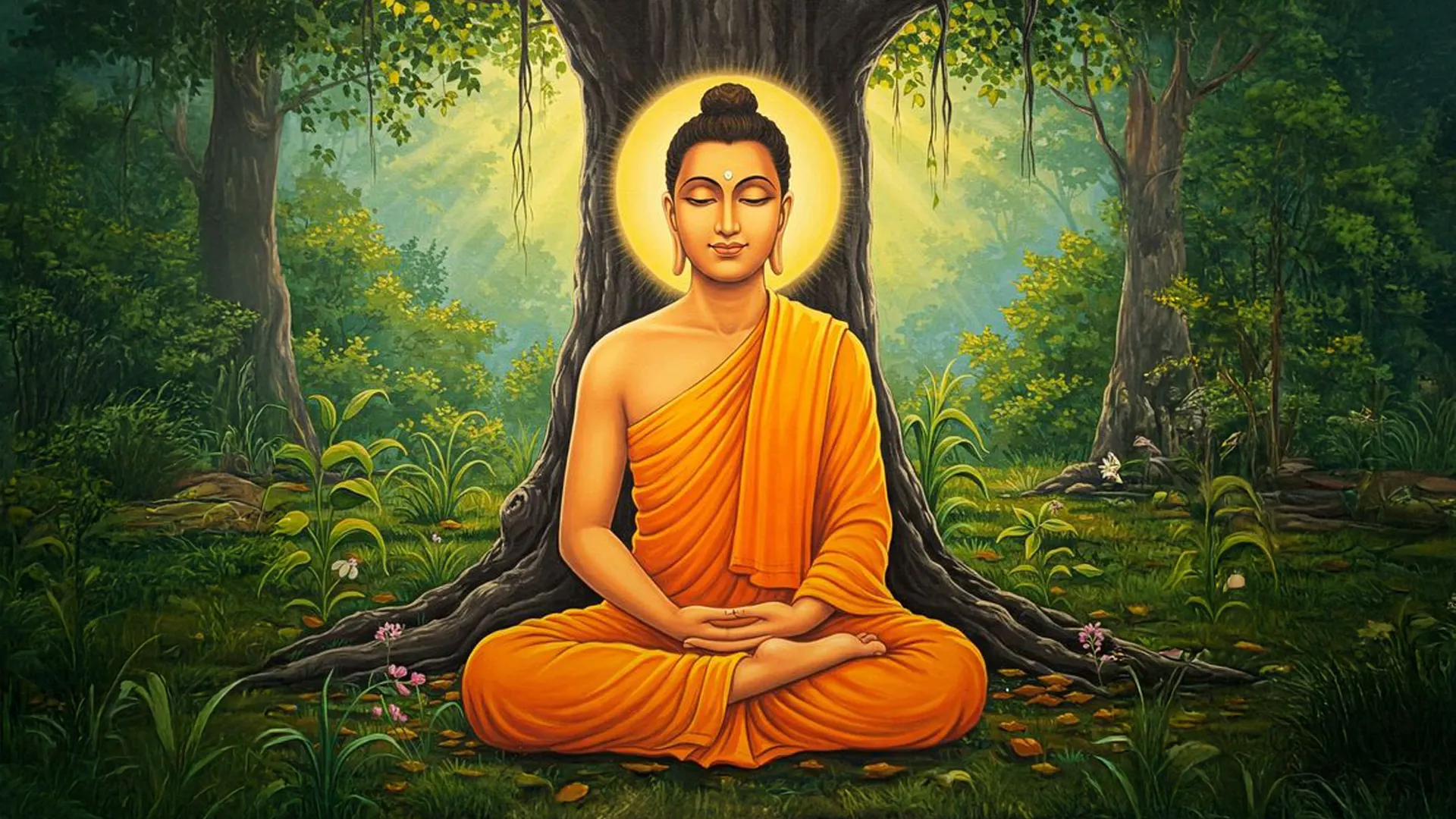
The Path of Self-Liberation
Buddha's assertion that "No one saves us but ourselves. No one can and no one may. We ourselves must walk the path" serves as a powerful reminder of the intrinsic responsibility we hold for our own spiritual journey. In this statement, the Buddha emphasizes that true liberation from suffering and ignorance cannot be bestowed upon us by external forces; it is a personal endeavor that requires our active participation. This teaching resonates deeply in a world often characterized by dependency on others for validation, guidance, or salvation, urging us to reclaim our agency in the pursuit of enlightenment.
Moreover, this quote encapsulates a profound truth about the nature of freedom and self-reliance. In a society that frequently promotes the idea of seeking help from external sources, whether through authority figures, institutions, or even spiritual leaders, the Buddha's words challenge us to look inward. The essence of this teaching lies in recognizing that the path to awakening is not a linear journey paved by others but a unique exploration that each individual must undertake. It is a call to embrace our own power and responsibility in the quest for understanding and liberation.
The image / the metaphor
The imagery within Buddha's quote evokes a sense of solitude and personal agency. The phrase "no one saves us but ourselves" conjures the image of an individual standing at the crossroads of their spiritual journey, faced with the choice to either seek external validation or to delve deep into their own being. The verbs "saves" and "walk" are particularly poignant; they suggest that salvation is not a passive act but an active engagement with one's own life. This metaphor of walking the path implies movement, effort, and a commitment to the journey, highlighting that spiritual growth is not a destination but a continuous process.
Diving deeper into the metaphor, we can see that the "path" represents the myriad experiences, challenges, and insights that shape our understanding of existence. Walking this path requires courage, as it often involves confronting our fears, doubts, and the shadows of our past. The act of walking is also inherently relational; it suggests that while the journey is personal, it is not devoid of connection to others. Each step taken in self-discovery can illuminate the way for others, creating a ripple effect of awakening that transcends individual experience.
In the speaker's tradition
Within the context of Buddhism, this teaching aligns closely with the concept of dharma, which refers to the moral and ethical duties that guide an individual's actions. The Buddha's emphasis on self-reliance reflects the understanding that each person must engage with their own dharma to cultivate wisdom and compassion. This notion is further enriched by the idea of sunyata, or emptiness, which teaches that our perceptions of self and other are often illusions. By recognizing the emptiness of these constructs, we can liberate ourselves from the chains of attachment and dependency, ultimately realizing that the path to enlightenment is one we must forge ourselves.
A relevant text that echoes this sentiment is the Dhammapada, where the Buddha states, "You are your own master. You make your own destiny." This reinforces the idea that while external guidance can be beneficial, the ultimate responsibility for our spiritual awakening lies within us. The teachings of prajna, or wisdom, further illuminate this path, encouraging us to cultivate insight through our own experiences rather than relying solely on the teachings of others. In this way, the Buddha invites us to become active participants in our own liberation.
Living the teaching
Consider a modern scenario where this teaching resonates: an individual grappling with feelings of inadequacy in their career. They may seek validation from supervisors or peers, hoping that external recognition will alleviate their self-doubt. However, the essence of Buddha's teaching reminds them that true confidence and fulfillment must come from within. By embracing their unique skills and experiences, they can begin to walk the path of self-acceptance, recognizing that their worth is not contingent upon others' opinions but rooted in their own understanding of their capabilities.
This teaching can also be applied in the context of relationships. Imagine a person facing conflict with a loved one, feeling the urge to blame the other for their emotional turmoil. The Buddha’s words encourage them to take responsibility for their feelings and reactions, prompting a deeper reflection on their own role in the relationship dynamic. By walking the path of self-awareness, they can transform the conflict into an opportunity for growth, fostering a healthier connection built on mutual understanding and respect.
A reflection
As we contemplate the profound wisdom encapsulated in Buddha's quote, we are invited to reflect on our own lives: In what areas do we seek external validation, and how might we reclaim our power to walk our own path? This question serves as a gentle nudge towards self-exploration, urging us to examine the ways in which we may be relinquishing our agency. By embracing the responsibility for our own spiritual journey, we can cultivate a deeper sense of freedom and authenticity in our lives.




Join the BrightStar Community
Stay connected with daily inspiration, event announcements, and community wisdom