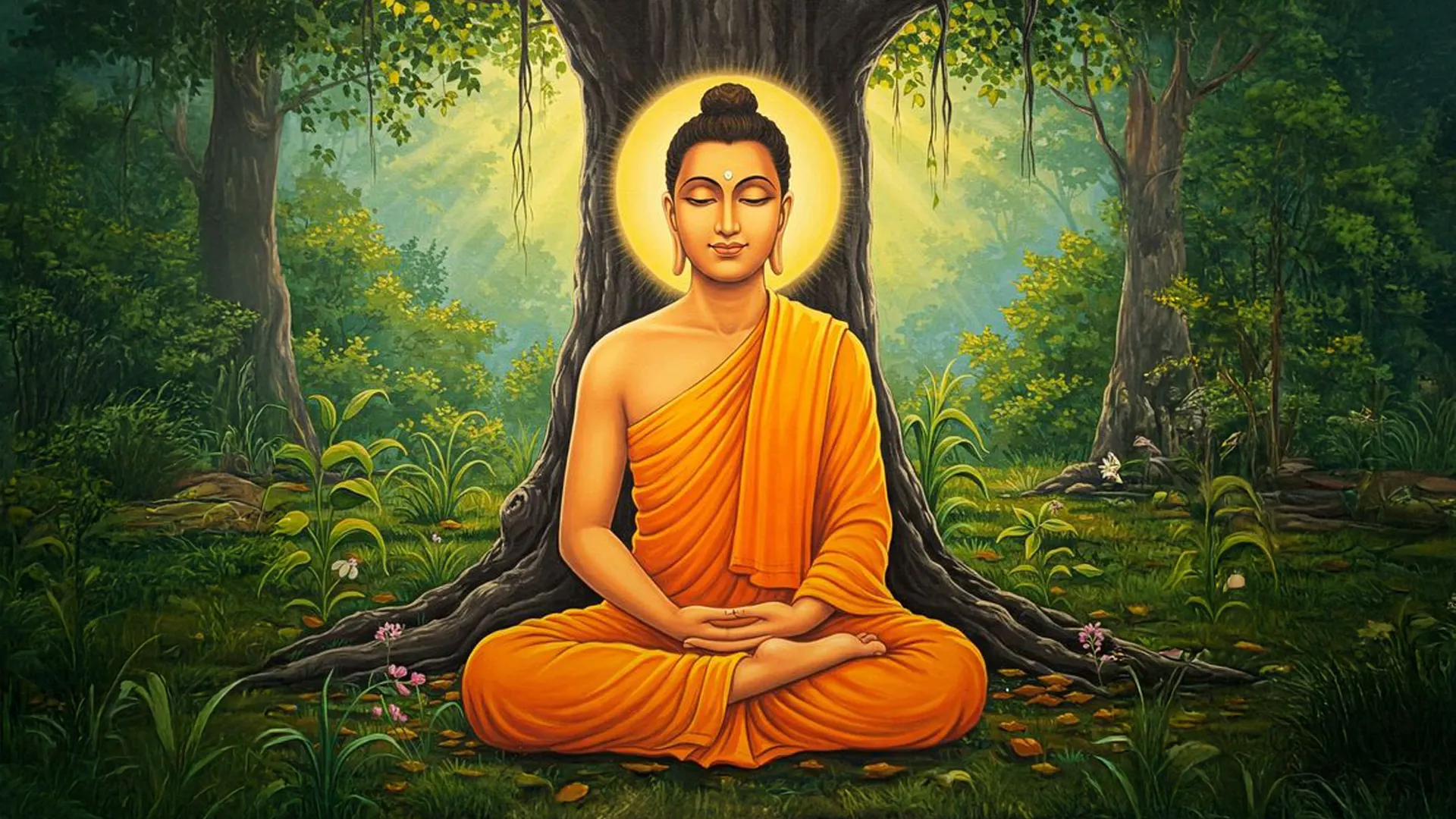
Embracing the Choice Between Pain and Suffering
The Buddha's assertion that "Pain is certain, suffering is optional" invites us to explore the intricate relationship between our experiences of pain and our responses to them. This statement holds profound implications for how we navigate the complexities of life, suggesting that while pain is an inevitable part of the human experience, the suffering we attach to that pain is within our control. Understanding this distinction can lead to a transformative shift in our perception of adversity, allowing us to cultivate resilience and inner peace.
At its core, this teaching challenges us to examine our habitual reactions to discomfort and distress. It encourages a deeper inquiry into the nature of suffering itself, urging us to recognize that our mental and emotional responses can either amplify our pain or diminish its impact. By embracing this perspective, we can begin to disentangle ourselves from the cycles of suffering that often arise from our attachments, fears, and aversions, ultimately leading us toward a more liberated existence.
The image / the metaphor
The imagery within the quote evokes a stark contrast between the inevitability of pain and the malleability of suffering. Pain, in this context, can be understood as a physical or emotional sensation that arises from various life experiences—loss, illness, disappointment. It is a universal aspect of existence, much like the changing seasons. Suffering, however, is portrayed as a choice, a mental construct that we can either embrace or release. The verbs "is" and "is optional" highlight this dichotomy, suggesting that while pain is a given, suffering is a state of mind we can influence.
In the speaker's tradition
Within the rich tapestry of Buddhist philosophy, the concept of dukkha, often translated as suffering, serves as a foundational principle. The Buddha taught that dukkha arises from our attachments and desires, leading to a cycle of craving and aversion that perpetuates our suffering. This understanding is intricately linked to the teachings of dharma, which guide us toward recognizing the impermanent nature of all things. By cultivating awareness and acceptance, we can begin to navigate the landscape of our pain without succumbing to the suffering that often accompanies it.
In the context of Buddhist texts, the Dhammapada offers poignant reflections on this theme. One verse states, "All experiences are preceded by mind, having mind as their master." This highlights the importance of our mental state in shaping our experiences. By recognizing that our thoughts and perceptions can either exacerbate our pain or facilitate our healing, we can begin to embody the wisdom of the Buddha's teaching, transforming our relationship with suffering.
Living the teaching
Consider a modern scenario where this teaching resonates deeply: a person faces the loss of a job. The initial pain of this loss is undeniable, as it brings about feelings of insecurity and uncertainty. However, the way this individual chooses to respond can either lead to prolonged suffering or an opportunity for growth. By reframing the experience as a chance to explore new possibilities, develop new skills, or even pursue a long-held passion, they can transform their pain into a catalyst for positive change, illustrating the essence of the Buddha's insight.
In the realm of relationships, this teaching can also be profoundly impactful. Imagine a couple navigating a conflict that has led to emotional pain. One partner may choose to dwell on feelings of betrayal and resentment, allowing suffering to take root. Alternatively, they could approach the situation with a mindset of understanding and compassion, recognizing that pain is a shared human experience. By fostering open communication and empathy, they can alleviate the suffering that often arises from misunderstandings, ultimately strengthening their bond and deepening their connection.
A reflection
As we contemplate the Buddha's teaching that "Pain is certain, suffering is optional," we are invited to reflect on our own lives. In what areas do we find ourselves clinging to suffering, even when pain is unavoidable? This question encourages us to examine our responses to life's challenges and consider how we might cultivate a more accepting and resilient mindset. By embracing the possibility of transforming our suffering into a source of wisdom and growth, we can embark on a journey toward greater freedom and peace.




Join the BrightStar Community
Stay connected with daily inspiration, event announcements, and community wisdom