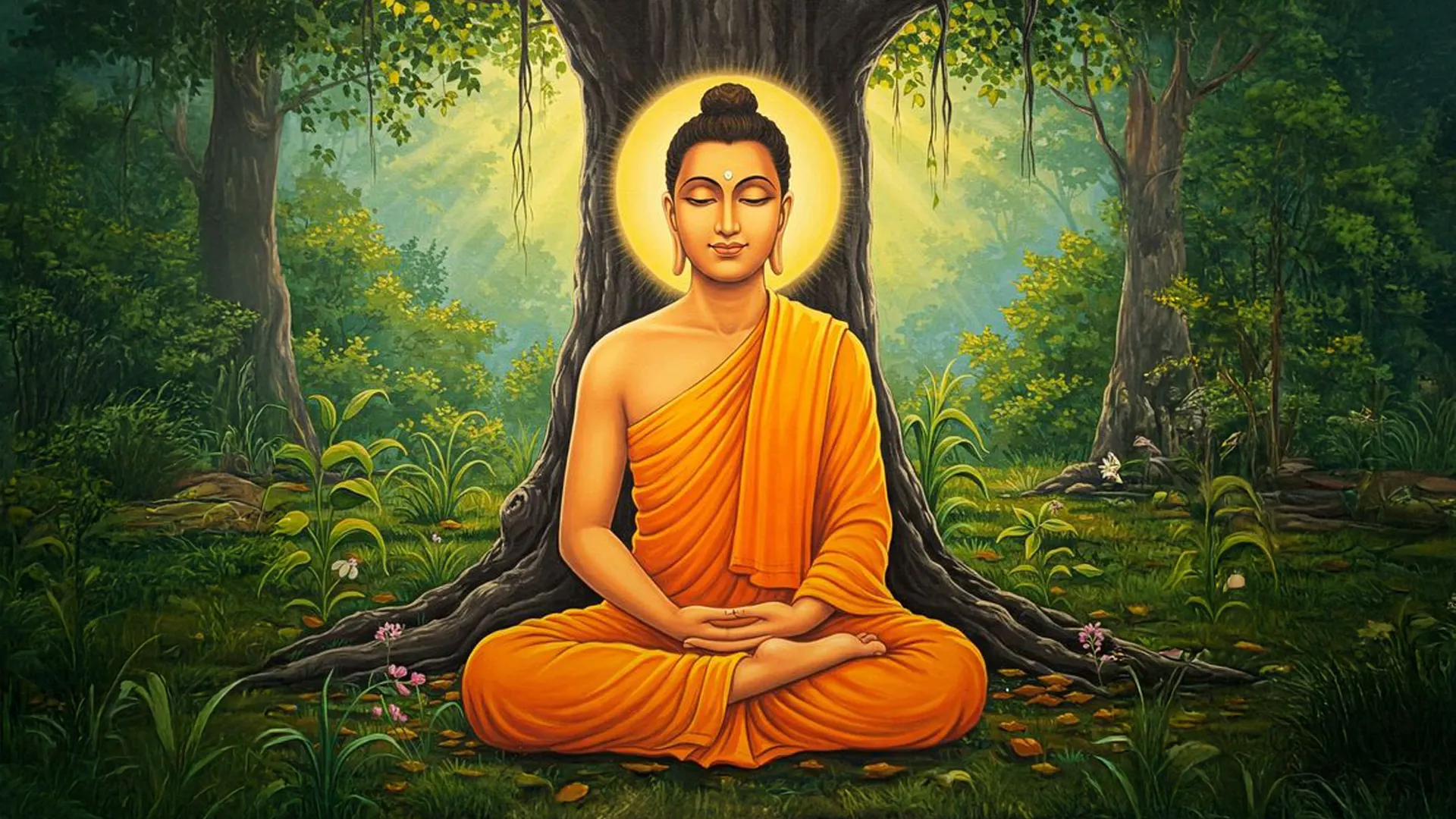
The Journey of Joy: Embracing Happiness as the Path
Buddha's assertion that "there is no path to happiness: happiness is the path" invites us to reconsider our understanding of happiness itself. Rather than perceiving happiness as a distant goal, contingent upon future achievements or external validations, this teaching encourages us to recognize happiness as an intrinsic quality of our present experience. This perspective is not merely philosophical; it is a transformative insight that can reshape our daily lives and spiritual journeys.
In a world often preoccupied with the pursuit of success, wealth, and status, this quote serves as a gentle reminder that the essence of happiness lies not in what we attain but in how we engage with the present moment. It challenges the conventional narrative that happiness is a reward for hard work or a consequence of favorable circumstances. Instead, it beckons us to cultivate joy and contentment in the here and now, suggesting that the very act of living mindfully can lead us to a profound sense of fulfillment.
The image / the metaphor
The imagery embedded in Buddha's words is rich and evocative. The phrase "there is no path to happiness" suggests a landscape devoid of traditional markers or signposts that guide us toward a destination. Instead, the assertion that "happiness is the path" implies that happiness itself is the terrain we traverse, a living, breathing experience that unfolds with each step we take. The verbs chosen—"is" rather than "will be"—emphasize the immediacy of happiness, urging us to recognize its presence in our current state of being.
Diving deeper into this metaphor, we can envision happiness as a flowing river rather than a fixed point on a map. Just as a river is shaped by the landscape it traverses, our happiness is influenced by our thoughts, actions, and interactions in the world. This fluidity invites us to engage with life dynamically, embracing the ups and downs as integral parts of our journey. In this sense, happiness becomes not just a fleeting emotion but a continuous practice of presence, awareness, and acceptance.
In the speaker's tradition
Within the rich tapestry of Buddhist thought, this teaching resonates profoundly with key concepts such as dharma and prajna. Dharma, often translated as "truth" or "law," encompasses the teachings of the Buddha that guide us toward enlightenment. When we understand happiness as the path, we align ourselves with the dharma, recognizing that our journey is not about reaching a destination but about embodying the principles of compassion, mindfulness, and interconnectedness in our daily lives. Prajna, or wisdom, further illuminates this path, urging us to see beyond the illusions of attachment and desire that often cloud our perception of happiness.
A relevant text that echoes this sentiment is the Dhammapada, a collection of verses attributed to the Buddha. In it, we find teachings that emphasize the importance of cultivating a joyful mind and the futility of seeking happiness through external means. One verse states, "Happiness comes from within. It is not dependent on external circumstances." This aligns seamlessly with the idea that happiness is not a destination but a way of being, inviting us to turn inward and cultivate joy from the depths of our own hearts.
Living the teaching
Consider a modern scenario where this teaching can take root: the daily grind of work. Many individuals find themselves caught in a cycle of striving for promotions, accolades, or financial success, believing that these achievements will bring them happiness. However, by embracing the notion that happiness is the path, one can shift focus from external validation to the joy found in the work itself. This might manifest as cultivating gratitude for colleagues, finding meaning in the tasks at hand, or simply enjoying the process of creation, rather than fixating on the end result.
In relationships, this teaching can also have profound implications. Often, we may find ourselves waiting for the "perfect moment" or the "ideal partner" to experience happiness. However, by recognizing that happiness is the path, we can begin to appreciate the beauty in our interactions, the lessons learned through challenges, and the joy of shared experiences. This shift in perspective allows us to engage more fully with our loved ones, fostering deeper connections and a more profound sense of fulfillment in our relationships.
A reflection
As we contemplate Buddha's profound insight, we are invited to reflect on our own lives: How often do we find ourselves postponing happiness for a future moment? In what ways can we begin to embody happiness as a practice, rather than a goal? This contemplation encourages us to explore the richness of our present experiences, inviting us to embrace joy in the here and now, and to recognize that the path we walk is, in itself, a journey of happiness.




Join the BrightStar Community
Stay connected with daily inspiration, event announcements, and community wisdom