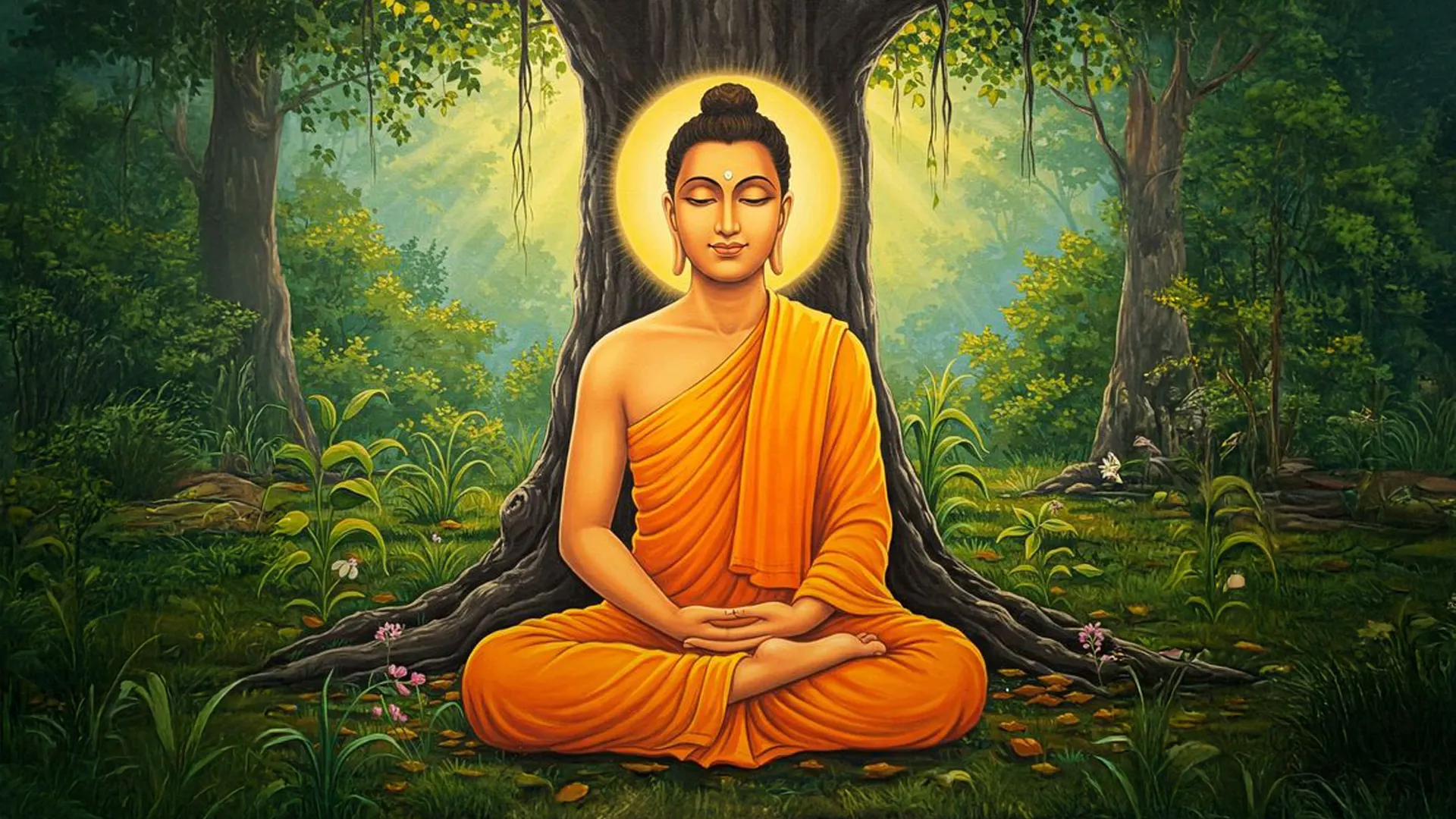
The Weight of Anger: A Path to Inner Peace
Buddha's poignant observation, "You will not be punished for your anger, you will be punished by your anger," invites us to reconsider our relationship with this powerful emotion. Rather than framing anger as a transgression that incurs external consequences, Buddha emphasizes its self-destructive nature. This teaching holds profound implications for our emotional well-being and spiritual growth, urging us to recognize that the true suffering stemming from anger arises not from outside forces, but from within ourselves. Understanding this distinction can lead to a more peaceful existence, free from the shackles of our own emotional turmoil.
In a world where anger often manifests as a reaction to perceived injustices or frustrations, this teaching serves as a vital reminder of the internal landscape we navigate. Anger, when left unchecked, can spiral into resentment, bitterness, and ultimately, suffering. Buddha's insight encourages us to cultivate awareness around our emotions, fostering a deeper understanding of how they shape our experiences. By recognizing that our anger can imprison us, we are invited to explore healthier expressions of our feelings, paving the way for compassion and wisdom.
The image / the metaphor
The imagery in Buddha's quote is striking, evoking a sense of entrapment that many can relate to. The verbs "punished" and "anger" create a vivid picture of the emotional turmoil that arises when we allow anger to dominate our thoughts and actions. This punishment is not a consequence imposed by an external authority but rather a natural outcome of clinging to anger. The felt sense of this quote resonates deeply; it suggests that anger is not merely a fleeting emotion but a heavy burden that we carry, often without realizing its weight until it becomes unbearable.
Diving deeper into the metaphor, we can see anger as a double-edged sword. While it may initially serve as a catalyst for change or a response to injustice, it can quickly transform into a destructive force that harms both ourselves and others. This duality reflects the nature of many emotions, where the potential for growth is often intertwined with the risk of suffering. Buddha's teaching invites us to examine this complexity, encouraging us to harness the energy of anger for constructive purposes rather than allowing it to consume us.
In the speaker's tradition
Within the rich tapestry of Buddhist philosophy, this teaching on anger aligns closely with the concepts of dharma and prajna, or wisdom. Dharma, the natural law that governs the universe, emphasizes the importance of understanding our emotions and their consequences. By recognizing that anger can lead to suffering, we align ourselves with the principles of dharma, fostering a deeper understanding of our place in the world. Prajna, or wisdom, further guides us in discerning the nature of our emotions, encouraging us to cultivate insight that transcends mere reaction.
A relevant text that echoes this sentiment is the Dhammapada, a collection of verses attributed to Buddha. In it, he states, "Holding onto anger is like drinking poison and expecting the other person to die." This powerful analogy reinforces the idea that our emotional states directly impact our well-being. By cultivating awareness and understanding of our anger, we can begin to dismantle the cycle of suffering it creates, ultimately leading us toward a more peaceful existence.
Living the teaching
Consider a modern scenario where this teaching resonates: a heated argument with a colleague at work. In the moment, anger may feel justified, a response to perceived disrespect or unfair treatment. However, as the argument escalates, the initial spark of anger transforms into a lingering resentment that clouds judgment and hampers collaboration. By recognizing that the true punishment lies in the emotional turmoil we create for ourselves, we can choose to step back, breathe, and respond with clarity rather than react impulsively.
This teaching also finds application in personal relationships, particularly during moments of conflict. Imagine a disagreement with a loved one, where anger flares up and threatens to drive a wedge between you. By acknowledging that the pain of anger is self-inflicted, we can approach the situation with compassion and understanding. Instead of allowing anger to dictate our responses, we can choose to communicate openly, fostering connection and healing rather than division.
A reflection
As we contemplate Buddha's profound insight, we are left with a contemplative question: How can we transform our relationship with anger to cultivate greater peace within ourselves? This inquiry invites us to explore the ways in which we respond to anger, encouraging us to seek understanding rather than reaction. By engaging with this question, we can begin to unravel the complexities of our emotions, ultimately leading us toward a more harmonious existence.




Join the BrightStar Community
Stay connected with daily inspiration, event announcements, and community wisdom