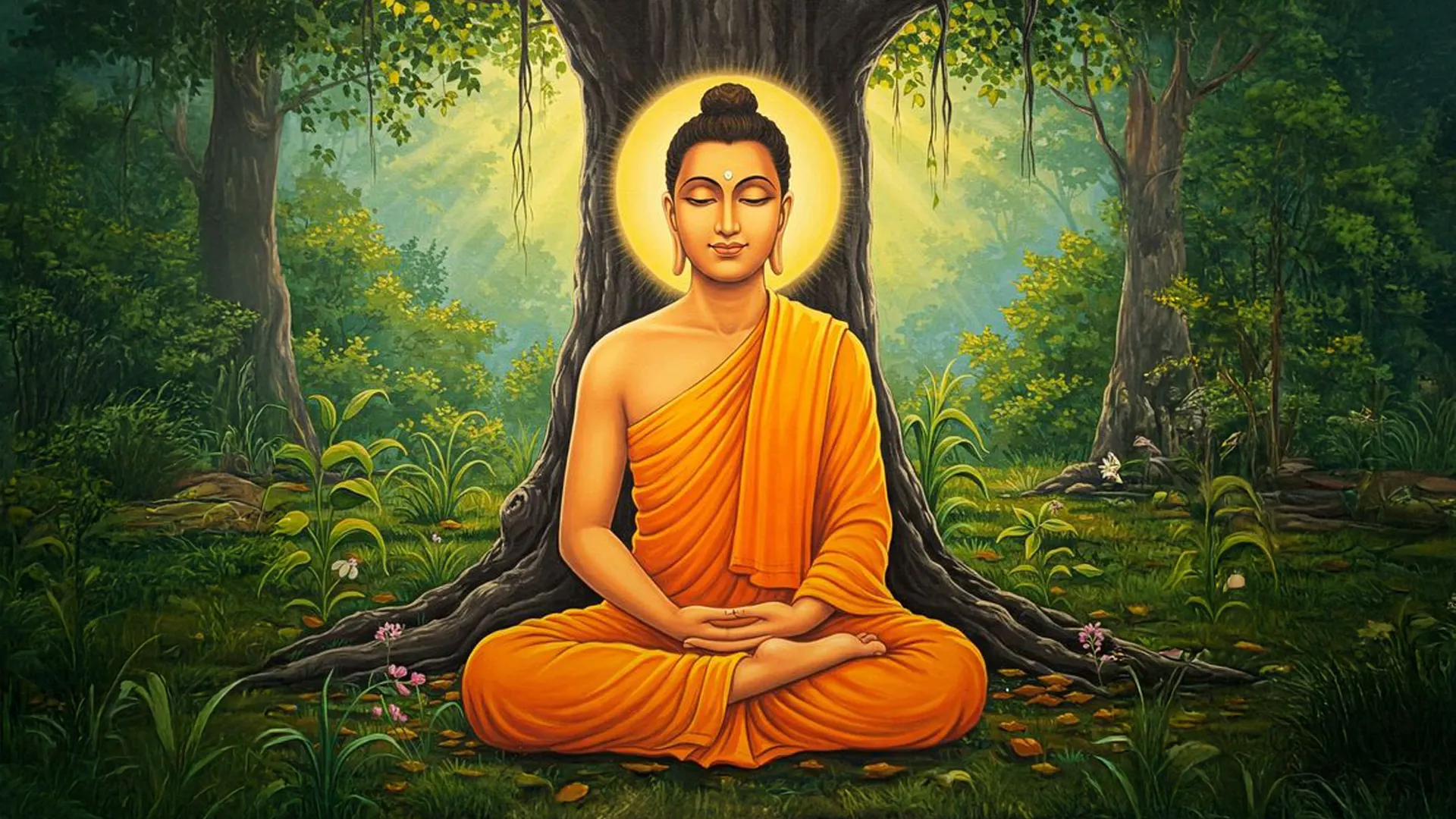
The Journey to Self-Affection
Buddha's assertion that "You yourself, as much as anybody in the entire universe, deserve your love and affection" invites us to reconsider the often-overlooked relationship we have with ourselves. In a world that frequently measures worth through external validation, this quote serves as a gentle reminder of our intrinsic value. It challenges us to cultivate self-love and compassion, not as acts of selfishness but as essential components of a balanced and fulfilling life.
This teaching resonates deeply in a society where self-criticism often overshadows self-acceptance. The notion that we are deserving of love and affection, especially from ourselves, can feel revolutionary. It encourages us to dismantle the barriers of unworthiness that we may have internalized over time. By embracing this perspective, we open ourselves to a more profound understanding of compassion, not just for ourselves but also for others, as we recognize that everyone shares the same fundamental need for love.
The image / the metaphor
The imagery in Buddha's quote is striking in its simplicity yet profound in its implications. The phrase "you yourself" emphasizes a personal responsibility for self-love, suggesting that this affection is not contingent upon external circumstances or validation. The verbs "deserve" and "affection" evoke a sense of entitlement to kindness and warmth, underscoring the idea that love is not a privilege reserved for others but a fundamental right we hold for ourselves.
In the speaker's tradition
Within the context of Buddhism, this teaching aligns closely with the concept of *karuna*, or compassion, which extends not only to others but also to oneself. The Buddha's teachings emphasize the importance of recognizing our own suffering and responding to it with kindness. This self-compassion is not an act of indulgence but rather a necessary step toward achieving *sunyata*, or emptiness, where we can let go of the burdens of self-judgment and embrace our inherent worthiness.
Moreover, this idea resonates with the Buddhist practice of *metta*, or loving-kindness, which encourages practitioners to cultivate love for themselves before extending it to others. In the *Metta Sutta*, the Buddha instructs followers to develop a boundless love that begins with oneself, illustrating that self-love is the foundation upon which compassion for others is built. This interconnectedness of self and other is a cornerstone of Buddhist philosophy, reminding us that our journey toward self-acceptance ultimately enriches our relationships with the world around us.
Living the teaching
Consider a modern scenario where this teaching might resonate: a person grappling with feelings of inadequacy in their professional life. They may find themselves constantly seeking approval from colleagues or superiors, feeling that their worth is tied to external achievements. In this context, Buddha's words serve as a powerful reminder that their value is not contingent upon accolades or recognition but is inherent and deserving of love and respect, regardless of their circumstances.
Another application of this teaching can be found in personal relationships, particularly during moments of conflict or misunderstanding. When faced with a disagreement, one might instinctively react with self-criticism or blame. However, by embracing the notion that they deserve love and affection, they can approach the situation with compassion, both for themselves and for the other person involved. This shift not only fosters healthier communication but also cultivates a deeper understanding of the shared human experience of struggle and vulnerability.
A reflection
As we contemplate Buddha's profound message, we are invited to ask ourselves: How often do I extend love and affection to myself in the same way I would to a dear friend? This question encourages us to reflect on our self-talk, our habits of self-criticism, and the ways we can nurture a more compassionate relationship with ourselves. In recognizing our own worthiness, we can begin to transform not only our inner dialogue but also the way we engage with the world around us.




Join the BrightStar Community
Stay connected with daily inspiration, event announcements, and community wisdom