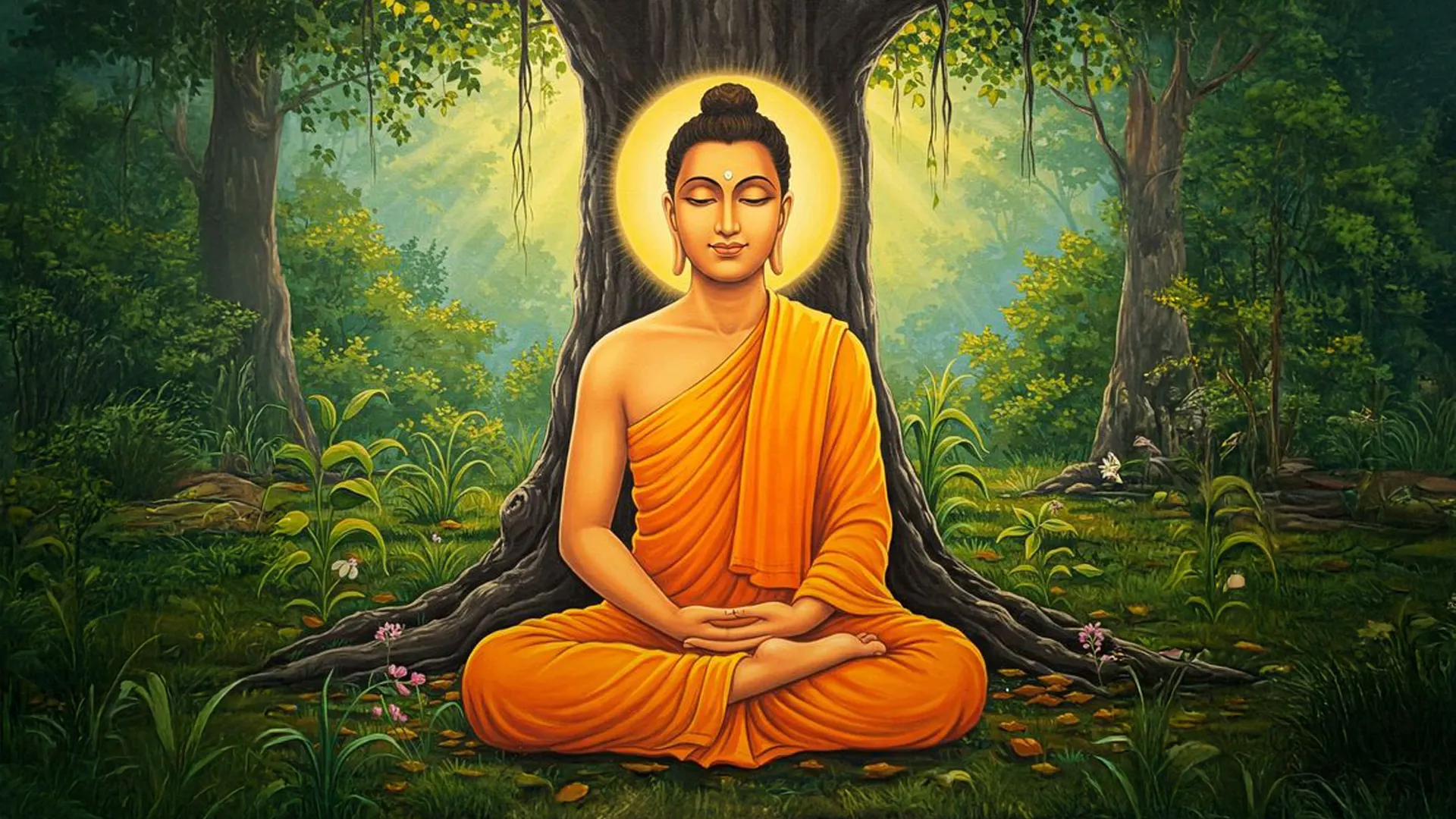
The Path of Earnestness: A Journey Toward Immortality
Buddha's assertion that "Earnestness is the path of immortality (Nirvana), thoughtlessness the path of death" invites us to reflect deeply on the nature of our intentions and actions. In this profound statement, the Buddha contrasts two distinct ways of being: one rooted in earnestness, which leads to enlightenment and liberation, and the other in thoughtlessness, which results in suffering and spiritual stagnation. This dichotomy is not merely a philosophical observation; it serves as a guiding principle for those seeking a meaningful existence.
To grasp the weight of this teaching, we must consider the implications of earnestness in our lives. It suggests a commitment to mindfulness, awareness, and intentionality in every moment. In a world often characterized by distraction and superficiality, the call to earnestness becomes a radical invitation to engage with life fully and authentically. This teaching resonates with the core of Buddhist practice, urging us to cultivate a deep sense of purpose and presence as we navigate the complexities of existence.
The image / the metaphor
The imagery in Buddha's quote is striking and evocative. The term "earnestness" conjures a sense of sincerity, seriousness, and dedication, while "thoughtlessness" evokes a lack of awareness and care. The verbs chosen—"earn" and "thought"—suggest active engagement versus passive drifting. This contrast paints a vivid picture of two paths: one illuminated by the light of awareness and the other shrouded in the shadows of ignorance.
Diving deeper into the metaphor, we can see that the path of earnestness is not merely about striving or effort; it embodies a profound alignment with one's true nature and purpose. It is a journey toward awakening, where each step taken with intention brings us closer to the realization of our interconnectedness with all beings. Conversely, thoughtlessness represents a disconnection from this truth, leading to a cycle of suffering and rebirth that the Buddha sought to transcend. The imagery serves as a reminder that our choices shape our spiritual trajectory, guiding us toward either liberation or entrapment.
In the speaker's tradition
Within the rich tapestry of Buddhist thought, the concepts of dharma and mindfulness are intricately woven into the fabric of earnestness. Dharma, often understood as the cosmic law and order, invites practitioners to align their actions with the truth of existence. This alignment fosters a sense of earnestness, as one seeks to live in harmony with the principles of compassion and wisdom. Additionally, the practice of mindfulness—being fully present and aware—serves as a foundation for cultivating earnestness, allowing us to engage with life in a meaningful way.
A relevant text that echoes this sentiment is the Dhammapada itself, where the Buddha emphasizes the importance of right intention and right action as part of the Eightfold Path. In verses that speak to the significance of mindfulness and ethical conduct, we find a clear invitation to embrace earnestness as a means of transcending suffering. The teachings encourage us to reflect on our motivations and to cultivate a life that resonates with the values of compassion, wisdom, and interconnectedness.
Living the teaching
Consider a modern scenario where this teaching might resonate: a workplace filled with distractions and superficial interactions. In such an environment, one might choose to approach their tasks with earnestness, seeking to engage fully with colleagues and projects. This commitment to presence can transform mundane activities into opportunities for connection and growth, fostering a culture of collaboration and shared purpose. By embodying earnestness, one not only enhances their own experience but also inspires others to do the same, creating a ripple effect of mindfulness and intention.
In a different context, imagine a relationship that has grown stale due to routine and thoughtlessness. By consciously choosing to practice earnestness, one partner might initiate deeper conversations, express gratitude, or engage in shared activities that reignite their connection. This shift requires vulnerability and a willingness to be present, but it can lead to profound transformations in the relationship. In both scenarios, the application of earnestness serves as a catalyst for awakening, inviting us to live more fully and authentically.
A reflection
As we contemplate the wisdom of Buddha's words, we are invited to reflect on our own lives: In what areas am I living with earnestness, and where do I find myself drifting into thoughtlessness? This question encourages us to examine our intentions and actions, prompting a deeper inquiry into how we can cultivate a more mindful and purposeful existence. By embracing the path of earnestness, we open ourselves to the possibility of awakening and liberation, transforming our lives into a journey of profound meaning.




Join the BrightStar Community
Stay connected with daily inspiration, event announcements, and community wisdom