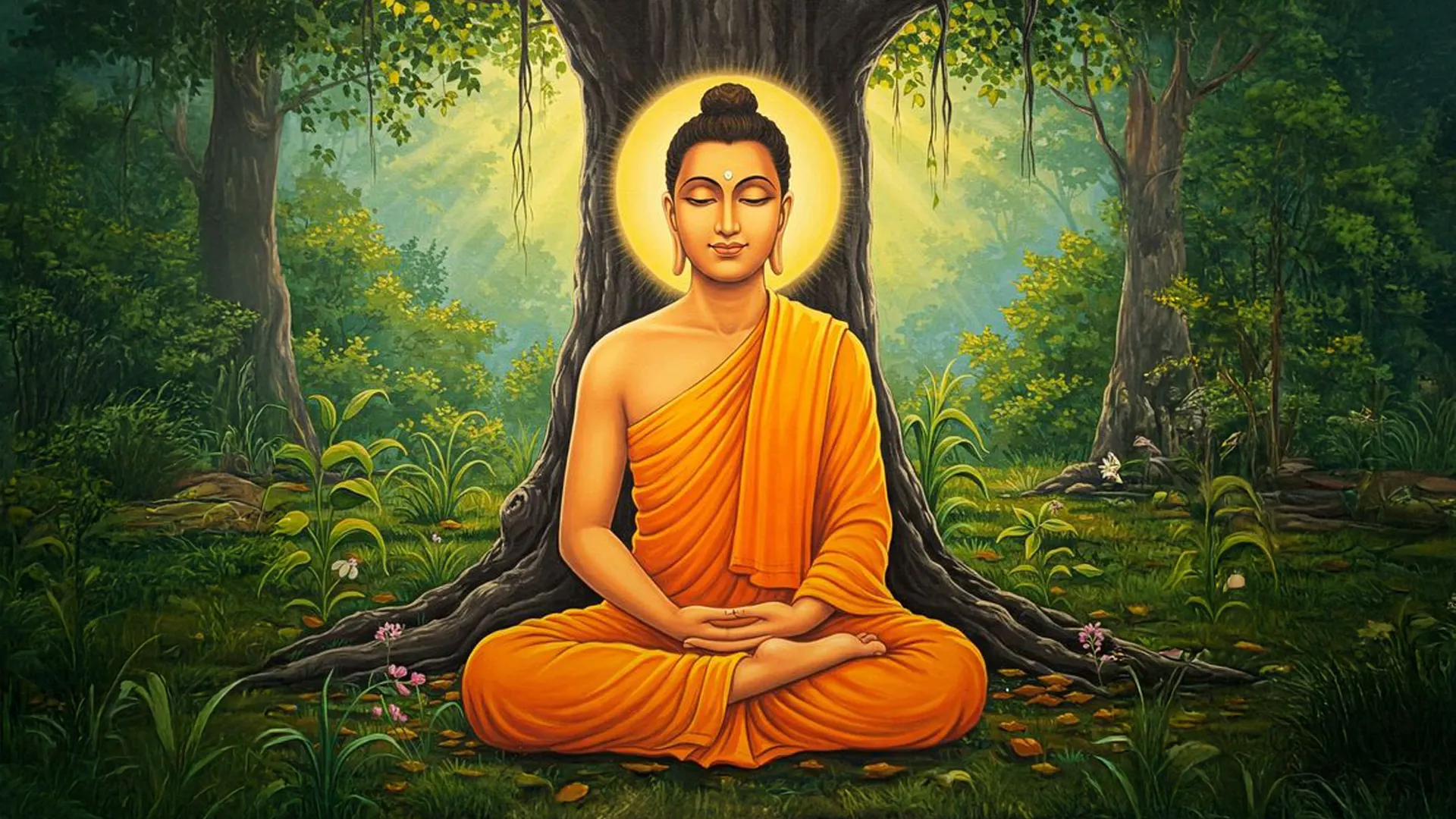
The Steadfast Heart: Embracing Equanimity in Life's Flux
Buddha's words remind us that true goodness is not swayed by the dualities of life. "Good people walk on whatever befalls; the good do not prattle, longing for pleasure; whether touched by happiness or sorrow, the wise show no elation or dejection." This profound statement encapsulates the essence of equanimity, urging us to cultivate a steadiness that transcends the transient nature of our experiences. In a world rife with fluctuations, the ability to remain grounded is not merely a virtue; it is a necessity for spiritual growth and inner peace.
In our contemporary lives, where the pursuit of pleasure often overshadows deeper values, Buddha's teaching serves as a beacon of wisdom. It challenges us to reflect on our reactions to life's inevitable ups and downs. Are we caught in the cycle of craving and aversion, or can we learn to embrace each moment with a balanced heart? This inquiry into our emotional responses is not just philosophical; it is a call to practice mindfulness and cultivate a deeper understanding of our true nature.
The image / the metaphor
The imagery in Buddha's quote evokes a sense of resilience and unwavering strength. The phrase "walk on whatever befalls" conjures the image of a traveler navigating a rugged path, undeterred by obstacles or distractions. The verbs chosen—"walk," "prattle," "show"—suggest action and presence, emphasizing that the wise do not merely react but engage with life fully, regardless of its circumstances. This active participation in life, free from the chains of emotional turbulence, is a hallmark of true wisdom.
In the speaker's tradition
Within the rich tapestry of Buddhist philosophy, the concepts of dharma and prajna resonate deeply with the teaching of equanimity. Dharma, often translated as the natural law or truth, guides individuals toward ethical living and spiritual awakening. Prajna, or wisdom, is the insight that allows one to perceive the true nature of reality, free from the distortions of attachment and aversion. Together, these principles illuminate the path toward a balanced life, where one can embrace both joy and sorrow without being overwhelmed.
In the Dhammapada, where this quote is sourced, we find numerous verses that echo the themes of steadiness and wisdom. For instance, the text emphasizes the importance of mindfulness and the cultivation of a discerning mind, which enables practitioners to navigate the complexities of existence with clarity. This alignment with the teachings of the Buddha encourages us to cultivate a deep understanding of impermanence, fostering a sense of peace that transcends the dualities of pleasure and pain.
Living the teaching
Consider a modern scenario where this teaching can be applied: a professional facing unexpected job loss. The initial reaction may be one of despair, a natural response to the fear of uncertainty. However, by embodying the wisdom of Buddha's words, one can choose to walk through this challenge with equanimity. Instead of succumbing to the urge to lament or seek immediate pleasure in distractions, the individual can reflect on the situation, recognizing it as an opportunity for growth and transformation. This perspective shift allows for a more constructive response, fostering resilience and adaptability.
Another application of this teaching can be found in personal relationships. Imagine a disagreement with a loved one that stirs feelings of anger or disappointment. The wise approach, as suggested by Buddha, would be to acknowledge these emotions without allowing them to dictate one's actions. Instead of reacting impulsively, one can practice mindfulness, creating space to respond with compassion and understanding. This steadiness not only nurtures the relationship but also cultivates a deeper sense of inner peace, reinforcing the idea that true wisdom lies in our ability to remain grounded amidst life's emotional storms.
A reflection
As we contemplate Buddha's profound teaching, we are invited to explore our own relationship with equanimity. How do we respond to the fluctuations of life? Are we quick to seek pleasure or avoid pain, or can we cultivate a steadiness that allows us to embrace both with grace? In this moment of reflection, consider: what would it mean for you to walk through life's challenges with a heart anchored in wisdom and acceptance?




Join the BrightStar Community
Stay connected with daily inspiration, event announcements, and community wisdom