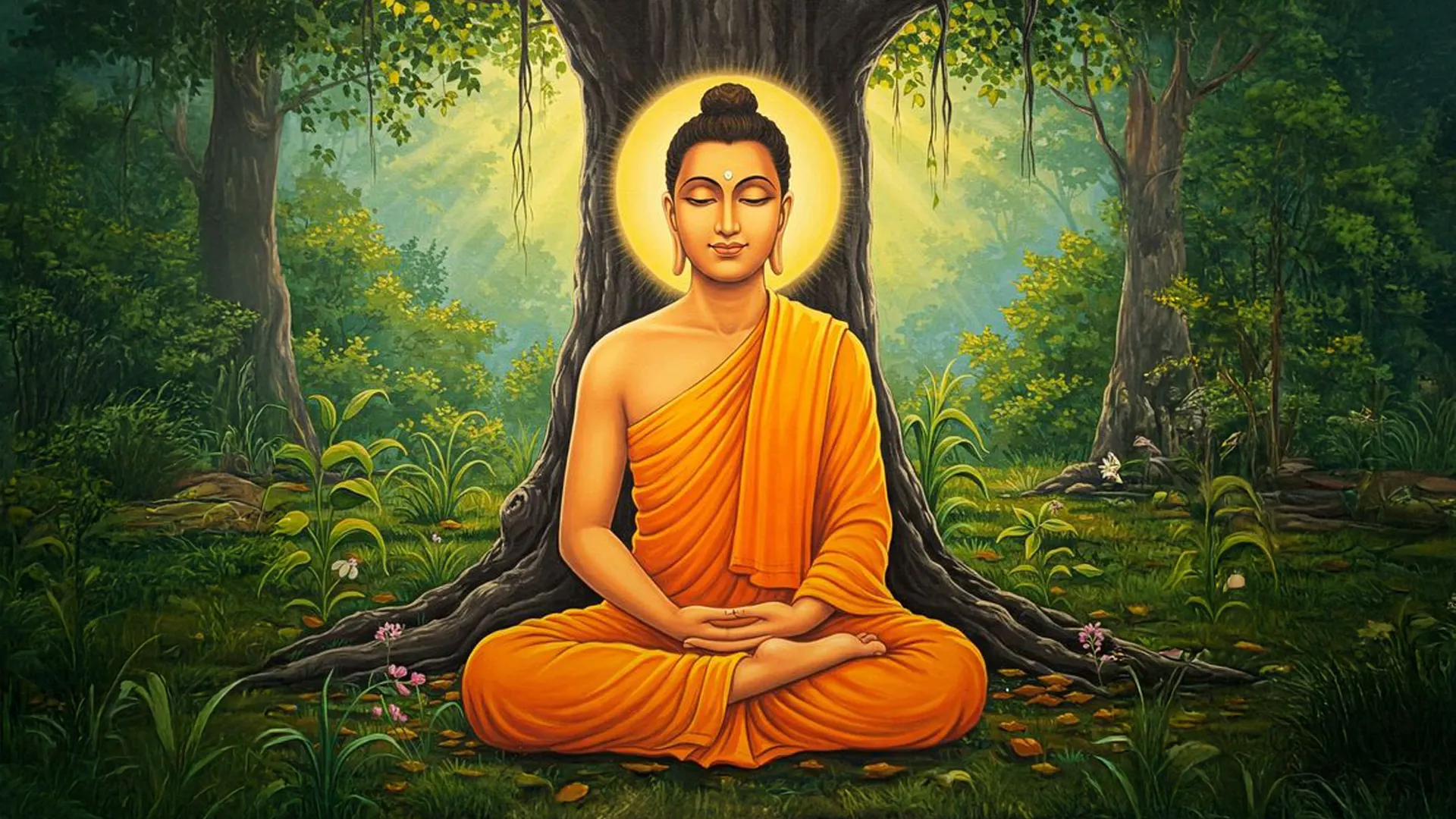
The Essence of True Freedom
In the words of the Buddha, "He alone in whom there is truly no cunning and no pride, who is free from desire, with no possessions, with no longing — him I call a Brahmana." This profound statement invites us to reflect on the nature of true liberation and purity. It challenges us to consider what it means to live without the burdens of desire and attachment, and to embody a state of being that transcends the ego. In a world often driven by ambition and materialism, this teaching serves as a beacon, illuminating a path toward a more authentic existence.
To grasp the depth of this quote, we must delve into the qualities that the Buddha attributes to the ideal Brahmana. This figure is not merely a social designation but represents an inner state of purity and simplicity. The absence of cunning, pride, and longing suggests a radical transformation of the self, one that aligns with the core principles of Buddhist thought. As we explore this teaching, we are invited to examine our own lives and the ways in which desire and attachment may cloud our perception of freedom and fulfillment.
The image / the metaphor
The imagery in the Buddha's quote evokes a sense of clarity and openness. The terms "no cunning" and "no pride" paint a picture of a person who has shed the layers of deceit and self-importance that often define human interactions. The verbs chosen — "free," "no," and "call" — suggest a definitive state of being, one that is not contingent upon external circumstances or possessions. This stark contrast to the complexities of modern life invites us to envision a simpler, more direct way of being.
Delving deeper into the metaphor, we recognize that the qualities of the Brahmana represent an ideal that is both aspirational and attainable. The absence of longing and possessions signifies a profound liberation from the cycle of craving that binds us to suffering. In this light, the Brahmana becomes a symbol of spiritual maturity, embodying the essence of non-attachment and equanimity. This metaphor serves as a guiding star for those seeking to navigate the turbulent waters of desire and ambition.
In the speaker's tradition
Within the context of Buddhism, the qualities attributed to the Brahmana resonate deeply with the teachings of dharma and the pursuit of enlightenment. The concept of kenosis, or self-emptying, parallels the Buddha's call for a life devoid of ego and desire. Similarly, the notions of sunyata (emptiness) and prajna (wisdom) underscore the importance of transcending the self to attain true understanding. In this way, the Brahmana embodies the ideal of living in accordance with the fundamental truths of existence, free from the illusions that bind us.
Moreover, the Dhammapada, from which this quote is drawn, serves as a foundational text that articulates the path to liberation through ethical conduct and mental discipline. The verses emphasize the significance of cultivating a pure heart and mind, aligning closely with the qualities of the Brahmana. This text invites practitioners to reflect on their own lives and the ways in which they can embody these teachings, fostering a deeper connection to the essence of their being.
Living the teaching
Consider a modern scenario where this teaching resonates: a workplace filled with competition and ambition. In such an environment, the drive for success often leads individuals to adopt cunning strategies and harbor pride in their achievements. However, by embodying the qualities of the Brahmana, one can choose to approach their work with integrity and humility, fostering collaboration rather than rivalry. This shift not only enhances personal fulfillment but also contributes to a more harmonious workplace culture.
In the realm of relationships, the teaching of the Brahmana can manifest in moments of conflict or misunderstanding. Instead of clinging to pride or the desire to be right, one can practice letting go of attachment to outcomes. By embracing the qualities of simplicity and purity, individuals can engage in open-hearted communication, allowing for deeper connections and healing. This practice of non-attachment fosters an environment where love and understanding can flourish, free from the burdens of ego.
A reflection
As we contemplate the essence of the Buddha's teaching, we are invited to ask ourselves: In what areas of my life do I cling to desire or pride, and how might I cultivate a sense of freedom and purity? This question encourages introspection and invites us to explore the ways in which we can embody the qualities of the Brahmana in our daily lives. By engaging with this inquiry, we open ourselves to the possibility of transformation and a deeper understanding of our true nature.




Join the BrightStar Community
Stay connected with daily inspiration, event announcements, and community wisdom