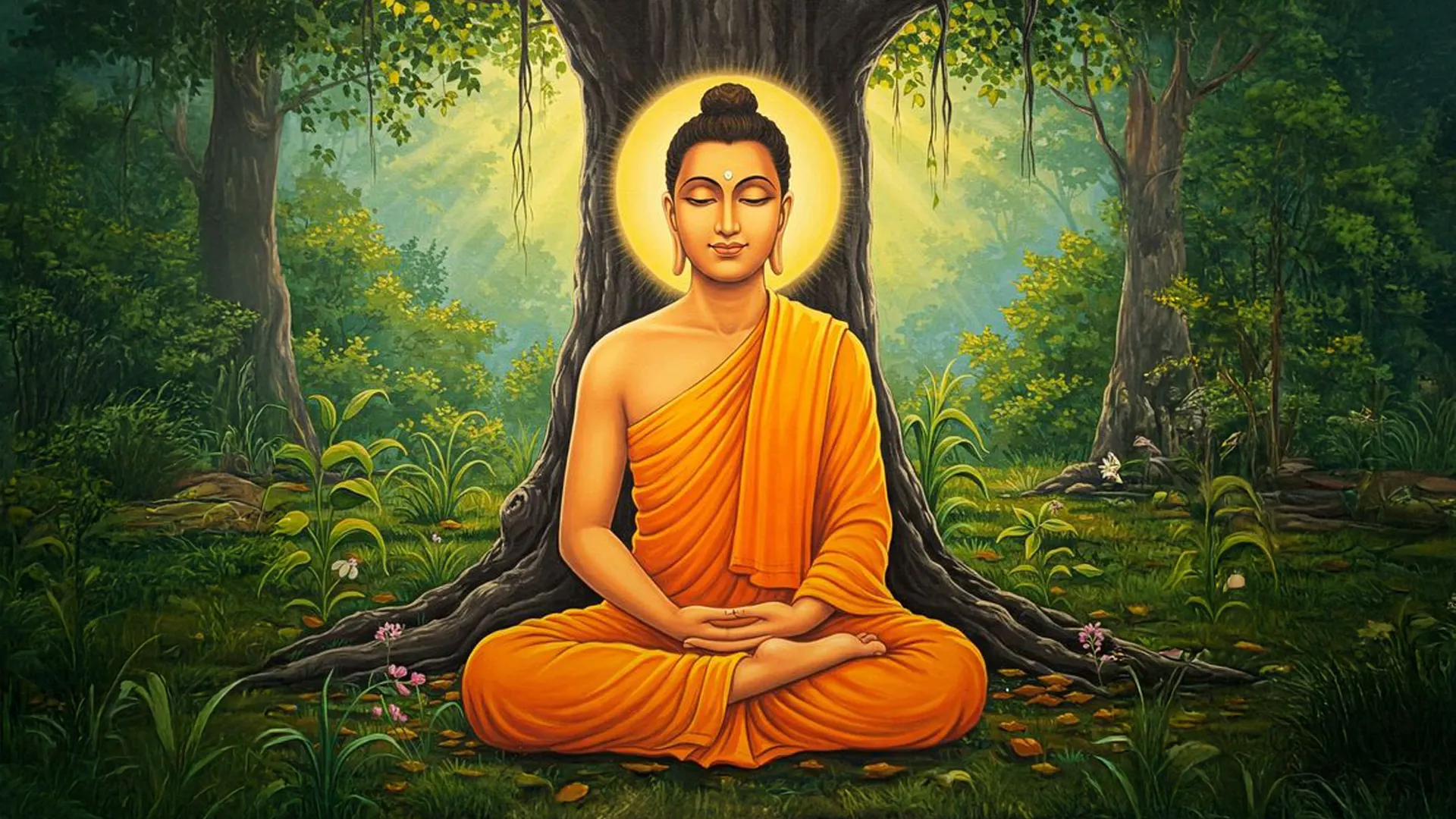
The Freedom Beyond Suffering
In the profound words of the Buddha, "He who has reached the end of the journey, free from sorrow, set free in every respect, has thrown off all bonds — fever exists not for him." This statement encapsulates the essence of spiritual liberation, suggesting that true freedom is not merely the absence of external constraints but a deep, internal release from the suffering that binds us. It invites us to consider the transformative journey of self-discovery and the ultimate peace that arises when we transcend our attachments and aversions.
To understand this quote fully, we must delve into the nature of suffering and the bonds that tie us to it. The Buddha speaks of a state of being where sorrow no longer holds sway over the individual. This liberation is not a distant ideal but a tangible reality that can be realized through diligent practice and insight. The journey toward this freedom is both personal and universal, resonating with anyone who has felt the weight of emotional turmoil and the longing for peace.
The image / the metaphor
The imagery in this quote evokes a sense of profound release and lightness. The phrase "thrown off all bonds" conjures the image of shackles falling away, allowing the individual to rise unencumbered. The use of the word "fever" symbolizes the intense suffering and agitation that often accompany our attachments and desires. In this context, fever represents the turmoil of the mind, which dissipates in the presence of true understanding and liberation.
Going deeper into the metaphor, we can see that the "journey" referred to is not a physical one but an inner exploration of consciousness. The "end of the journey" signifies the attainment of enlightenment, where one recognizes the illusory nature of the self and the transient nature of all phenomena. This realization leads to a state of equanimity, where the individual is no longer swayed by the ups and downs of life, embodying a serene presence that is free from the fever of attachment.
In the speaker's tradition
Within the rich tapestry of Buddhist philosophy, this quote resonates with the core teachings of dharma and the concept of liberation. The Buddha's path emphasizes the importance of understanding the Four Noble Truths, which articulate the nature of suffering and the way to transcend it. The notion of "kenosis," or self-emptying, parallels this idea, as it invites practitioners to let go of the ego and the false sense of self that perpetuates suffering. Furthermore, the concept of "sunyata," or emptiness, underscores the realization that all phenomena are interdependent and devoid of inherent existence, leading to a profound sense of freedom.
In the Dhammapada, the text from which this quote is drawn, the Buddha offers numerous verses that illuminate the path to liberation. For instance, he states, "All that we are is the result of what we have thought," emphasizing the power of the mind in shaping our experiences. This aligns with the idea that by transforming our thoughts and perceptions, we can ultimately free ourselves from the bonds of suffering and attain a state of peace.
Living the teaching
Consider a modern scenario where this teaching can be applied: a person grappling with the stress of a demanding job. The constant pressure to perform and the fear of failure can create a mental fever that clouds judgment and diminishes joy. By reflecting on the Buddha's words, this individual might begin to recognize that their suffering stems not from external circumstances but from their attachment to outcomes and the need for approval. Through mindfulness practices, they can learn to let go of these attachments, finding a sense of freedom and peace even amidst the chaos of work.
Another application of this teaching can be found in relationships. Imagine a situation where one partner feels unappreciated and burdened by expectations. The emotional turmoil can lead to resentment and conflict, creating a cycle of suffering. By embracing the Buddha's wisdom, both partners can explore their attachments and expectations, fostering open communication and understanding. This process of letting go can transform the relationship, allowing both individuals to experience a deeper connection free from the fever of unmet desires.
A reflection
As we contemplate the essence of the Buddha's teaching, we are invited to reflect on our own lives: What are the bonds that hold us captive, and how might we begin to loosen their grip? In what ways can we cultivate a sense of freedom from the fever of our attachments and aversions? This inquiry not only deepens our understanding of the quote but also opens the door to a transformative journey toward peace and liberation.




Join the BrightStar Community
Stay connected with daily inspiration, event announcements, and community wisdom