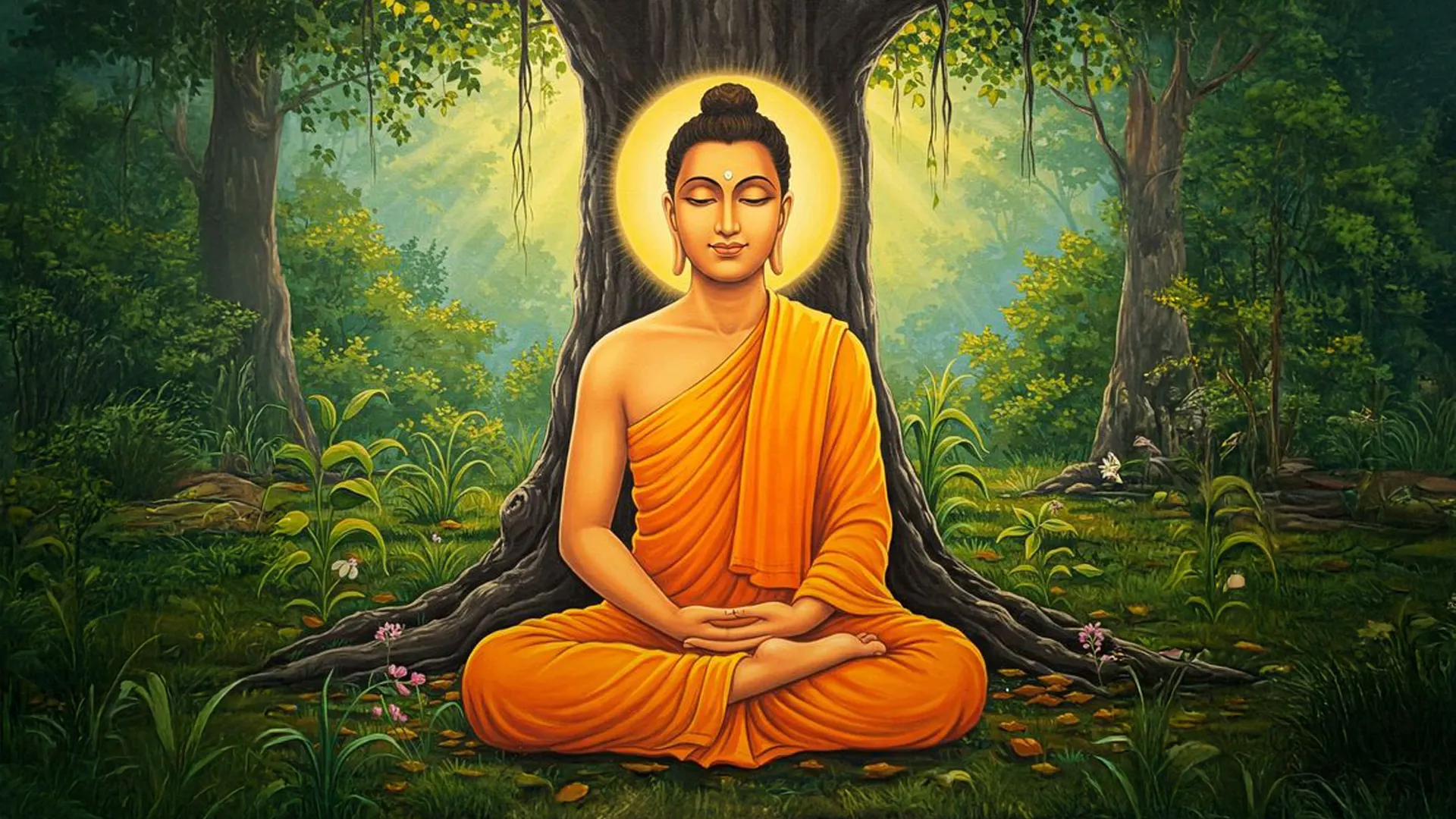
Transcending Illusion: The Path Beyond the Body
In the profound words of the Buddha, "He who knows that this body is like froth, and has learnt that it is as unsubstantial as a mirage, will break the flower-pointed arrow of Mara, and never see the King of Death." This statement invites us to reflect on the ephemeral nature of our physical existence and the deeper truths that lie beyond our corporeal form. The stakes are high; understanding this teaching can liberate us from the cycles of suffering and attachment that bind us to the illusion of permanence.
At its core, this quote challenges us to confront our relationship with the body and the concept of death. It urges us to recognize the transient nature of life, akin to froth on water or a mirage shimmering in the desert heat. By internalizing this wisdom, we can cultivate a profound insight that allows us to transcend fear and embrace the impermanence of existence. This understanding is not merely philosophical; it is a transformative realization that can lead to liberation from the clutches of Mara, the personification of temptation and distraction.
The image / the metaphor
The imagery in this quote is striking and layered. The comparison of the body to froth evokes a sense of lightness and insubstantiality, suggesting that what we often perceive as solid and enduring is, in fact, fleeting and fragile. The mention of a mirage further emphasizes this notion, as it symbolizes the deceptive nature of our perceptions. The verbs chosen—"knows," "learnt," "break," and "see"—imply an active engagement with wisdom, a conscious effort to dismantle the illusions that cloud our understanding of reality.
Diving deeper into the metaphor, we find that the "flower-pointed arrow of Mara" represents the distractions and desires that lead us away from enlightenment. Just as an arrow can pierce the heart, these attachments can wound our spiritual journey. The act of breaking this arrow signifies a profound awakening, a moment when one realizes that the pursuit of physical existence and material gain is ultimately futile. In this light, the quote becomes not just a reflection on the body but a call to action, urging us to cultivate awareness and insight that can liberate us from suffering.
In the speaker's tradition
This teaching is deeply rooted in the Buddhist tradition, where concepts such as dharma, sunyata (emptiness), and prajna (wisdom) play pivotal roles. The Buddha's insights into the nature of existence challenge us to recognize the impermanence of all things, including our own bodies. This understanding aligns with the concept of sunyata, which posits that all phenomena are devoid of inherent existence. By grasping this truth, we can cultivate a sense of detachment from the physical realm, allowing us to navigate life with greater equanimity.
In the Dhammapada, the text from which this quote is drawn, we find numerous verses that echo this sentiment. For instance, the Buddha teaches that "all conditioned things are impermanent," urging practitioners to reflect on the transient nature of life. This perspective encourages us to cultivate a deeper understanding of our existence, one that transcends the superficial attachments that often lead to suffering. By embracing the teachings of the Dhammapada, we can align ourselves with the path of wisdom and liberation.
Living the teaching
Consider a modern scenario where this teaching resonates: a person grappling with the fear of aging and mortality. In a society that often glorifies youth and physical beauty, the realization that the body is like froth can be both liberating and daunting. By internalizing this wisdom, one can begin to shift their focus from external appearances to the richness of inner life, fostering a deeper appreciation for the present moment and the relationships that truly matter. This shift in perspective can alleviate the anxiety surrounding aging, allowing for a more authentic engagement with life.
Another application of this teaching might arise in the context of a challenging relationship. When faced with conflict, one might cling to the desire for validation or control, allowing the "flower-pointed arrow of Mara" to take hold. By recognizing the impermanence of both the body and the situation, one can cultivate a sense of compassion and understanding, breaking free from the cycle of attachment and resentment. This practice of mindfulness can transform interactions, fostering deeper connections rooted in empathy rather than ego.
A reflection
As we contemplate the wisdom of the Buddha's words, we are invited to ask ourselves: How can I cultivate a deeper awareness of the impermanence of my own existence? This question encourages us to reflect on our attachments, fears, and desires, prompting a journey toward greater insight and liberation. By embracing the transient nature of life, we can begin to break free from the illusions that bind us, allowing us to live more fully in the present moment.




Join the BrightStar Community
Stay connected with daily inspiration, event announcements, and community wisdom