The Art of Mastery: Surrendering to the Inner Driver
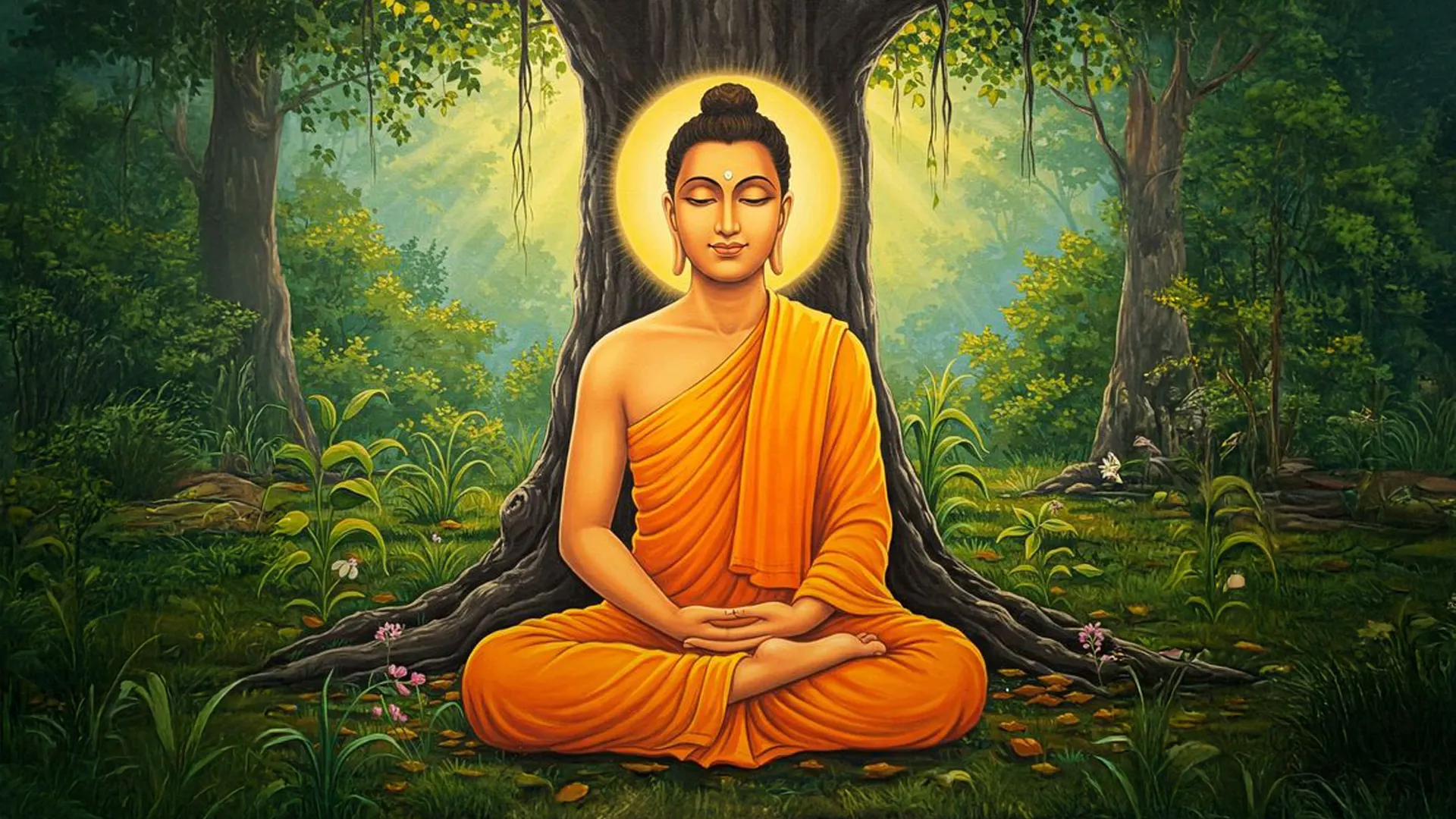
Buddha's profound assertion that "He whose senses are subdued, like horses well broken in by the driver, who has surrendered his pride and is free from sinful inclinations — such a one even the gods envy," invites us to explore the intricate relationship between self-mastery and spiritual fulfillment. This quote encapsulates the essence of discipline and humility, suggesting that true freedom arises not from external circumstances but from the internal landscape of our minds and hearts. In a world often driven by desires and distractions, this teaching serves as a beacon, illuminating the path toward a life of serenity and purpose.
At its core, this quote speaks to the transformative power of self-discipline and the relinquishment of ego. It challenges us to consider the nature of our own inclinations and the extent to which we allow them to govern our actions and thoughts. By likening the senses to horses that must be tamed, Buddha emphasizes the necessity of mastering our impulses to achieve a state of inner peace. This mastery is not merely about control; it is about cultivating a deep understanding of oneself, leading to a life that even the divine might admire.
The image / the metaphor
The imagery of "horses well broken in by the driver" evokes a vivid picture of the relationship between the self and its desires. Horses, powerful and spirited, can be unruly if left unchecked, much like our senses and emotions. The act of breaking in a horse is a process that requires patience, skill, and a deep connection between the rider and the animal. In this metaphor, the driver represents the disciplined mind, which must learn to guide the senses with wisdom and compassion, rather than allowing them to run wild.
Diving deeper into this metaphor, we see that the act of taming the horses is not about suppression but rather about understanding and harmonizing with their nature. Just as a skilled driver learns to read the horse's movements and respond accordingly, so too must we cultivate awareness of our thoughts and feelings. This process of mastery leads to a profound sense of freedom, where one is no longer a slave to fleeting desires but instead moves through life with grace and intention. The gods' envy, in this context, symbolizes the highest form of achievement — a state of being that transcends the ordinary and touches the divine.
In the speaker's tradition
Within the rich tapestry of Buddhist philosophy, this teaching resonates with several key concepts, such as dharma, the path of righteousness, and prajna, or wisdom. The notion of surrendering pride aligns closely with the practice of kenosis, a self-emptying that allows for the emergence of a more profound understanding of reality. In Buddhism, the idea of sunyata, or emptiness, further emphasizes the importance of relinquishing attachments and desires to attain enlightenment. This surrender is not a loss but a liberation, freeing us from the shackles of our own making.
Living the teaching
Consider a modern scenario where this teaching can be applied: a professional facing the pressures of a demanding job. In the hustle of deadlines and expectations, one might feel overwhelmed by the need to perform, leading to stress and anxiety. By practicing the discipline of self-awareness, the individual can learn to recognize when their senses are driving them toward unhealthy patterns, such as overworking or neglecting self-care. By "breaking in" these impulses, they can create a balanced approach to their responsibilities, allowing for both productivity and personal well-being.
In the realm of relationships, this teaching can manifest during moments of conflict. When emotions run high, it is easy to react impulsively, driven by pride or hurt. However, by embodying the essence of Buddha's words, one can practice restraint and humility, choosing to respond with compassion rather than defensiveness. This conscious choice to subdue one's immediate reactions fosters deeper understanding and connection, transforming potential discord into opportunities for growth and healing.
A reflection
As we contemplate the wisdom of Buddha's teaching, we are invited to reflect on our own lives: In what areas do we allow our senses to run unchecked, leading us away from our true selves? What would it mean to cultivate the discipline of self-mastery, to break in the wild horses of our desires? This inquiry not only deepens our understanding of the quote but also opens the door to a more intentional and fulfilling existence.




Join the BrightStar Community
Stay connected with daily inspiration, event announcements, and community wisdom