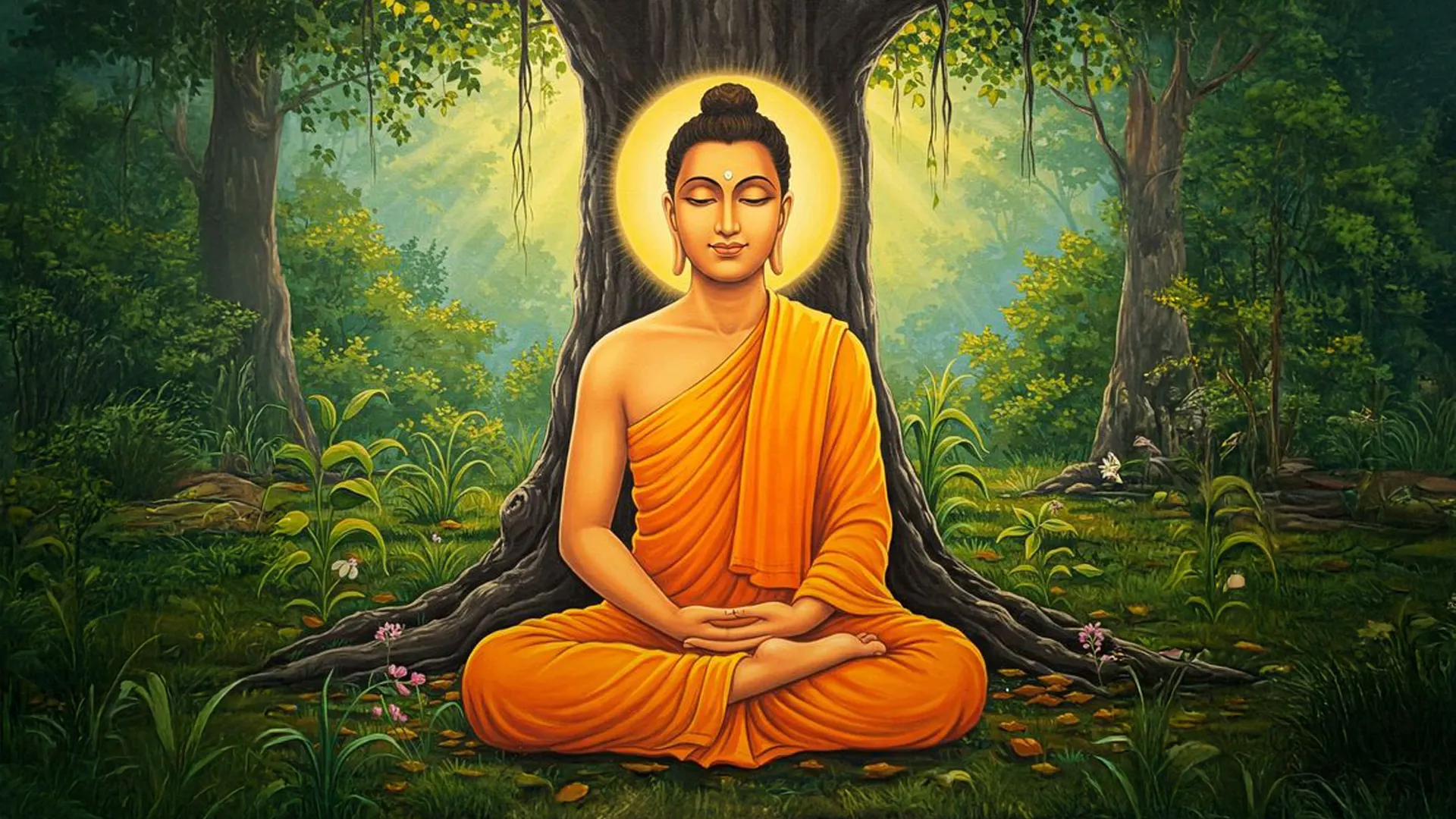
The Sacred Balance of Duty and Attention
Buddha's exhortation, "Let no one neglect his own duty for the sake of another's, however great; let a person, after he has discerned his own duty, be always attentive to his duty," invites us to reflect deeply on the nature of responsibility and the importance of self-awareness. In a world that often glorifies self-sacrifice, this teaching serves as a gentle reminder that our personal obligations are not to be overshadowed by the needs of others, no matter how pressing they may seem. The stakes are high: neglecting our own duties can lead to a disordered life, where we become lost in the expectations of others, ultimately diminishing our ability to contribute meaningfully to the world around us.
This quote challenges us to cultivate a discerning mind, one that recognizes the unique responsibilities each individual carries. It emphasizes the necessity of attentiveness—not just to our duties but also to the inner compass that guides us in identifying what those duties are. In a society that often prioritizes collective needs over individual responsibilities, this teaching invites us to reclaim our sense of purpose and to act with intention. By doing so, we not only honor our own path but also create a foundation from which we can genuinely support others.
The image / the metaphor
The imagery in Buddha's words evokes a sense of balance and clarity. The phrase "let no one neglect his own duty" suggests a steadfastness, a grounding in one's own responsibilities that should not be easily swayed by external pressures. The verbs "neglect" and "attentive" create a dynamic tension between inaction and mindfulness, urging us to remain vigilant in our commitments. This duality captures the essence of human experience: the constant pull between personal obligations and the demands of the world around us.
In the speaker's tradition
Within the context of Buddhism, this teaching resonates profoundly with the concept of dharma, which refers to the moral and ethical duties that each individual is called to fulfill. Dharma is not a one-size-fits-all prescription; it is deeply personal and varies according to one's circumstances, abilities, and insights. This aligns with the notion of prajna, or wisdom, which encourages individuals to cultivate an understanding of their unique path. By discerning our own duties through the lens of dharma, we honor not only ourselves but also the interconnectedness of all beings.
Moreover, this teaching can be compared to the Buddhist practice of mindfulness, which emphasizes being present and aware in each moment. In the Dhammapada, Buddha often speaks of the importance of awareness in navigating the complexities of life. For instance, in verse 23, he states, "Mindfulness is the path to the deathless," suggesting that through attentive living, we can transcend the ordinary and touch the eternal. This connection between duty and mindfulness underscores the transformative power of being present to our responsibilities, allowing us to engage with life more fully.
Living the teaching
Consider a modern scenario where this teaching might resonate: a professional feeling overwhelmed by the demands of work, family, and community. In the rush to meet the needs of others—be it colleagues, children, or friends—this individual may find themselves neglecting their own well-being and personal goals. By reflecting on Buddha's words, they might recognize the importance of prioritizing their own duties, such as self-care and personal development, as essential components of their ability to serve others effectively. This realization can lead to a more balanced life, where they can contribute to their community from a place of strength rather than depletion.
In a different context, imagine a relationship where one partner consistently prioritizes the needs of the other, often at the expense of their own feelings and desires. This dynamic can lead to resentment and imbalance, ultimately harming the relationship. By applying Buddha's teaching, both partners can engage in open communication about their individual needs and responsibilities. This practice of attentiveness to one’s own duties fosters a healthier relationship, where both individuals feel valued and empowered to contribute authentically to their shared life.
A reflection
As we contemplate Buddha's teaching, we might ask ourselves: "In what areas of my life am I neglecting my own duties for the sake of others?" This question invites us to engage in a process of self-reflection, examining where we may be sacrificing our own well-being or responsibilities in the name of service. By acknowledging these patterns, we can begin to cultivate a more balanced approach to our duties, allowing us to honor both ourselves and those around us.




Join the BrightStar Community
Stay connected with daily inspiration, event announcements, and community wisdom