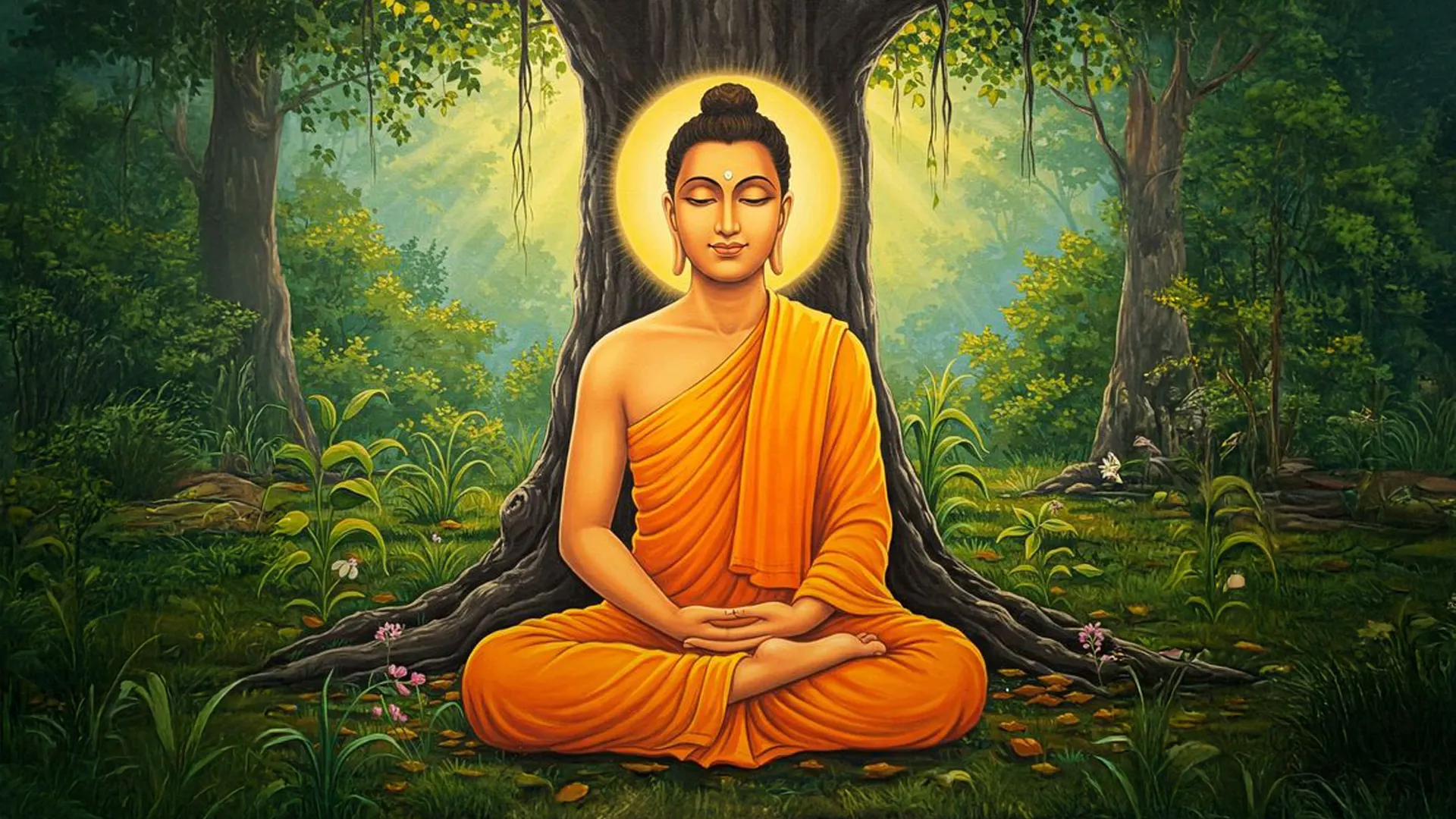
Seeing Through the Illusion: A Contemplation on Impermanence
Buddha invites us to perceive the world as ephemeral, likening it to a bubble or a mirage. This perspective encourages a detachment from the material and transient aspects of existence, suggesting that those who adopt such a viewpoint are less likely to fall prey to the inevitability of death. By recognizing the illusory nature of our surroundings, we can cultivate a deeper understanding of life and death, ultimately leading to liberation from suffering. This teaching is not merely philosophical; it is a practical guide for navigating the complexities of human experience.
In a world often dominated by the pursuit of permanence and stability, Buddha's words resonate with profound relevance. The imagery of a bubble or mirage evokes a sense of fragility and transience, reminding us that what we often cling to is fleeting. This contemplation serves as an invitation to step back from our attachments and to view life with a discerning eye. By doing so, we can cultivate a sense of freedom and clarity, allowing us to engage with the world without being ensnared by its illusions.
The image / the metaphor
The metaphor of the world as a bubble or mirage is rich with implications. A bubble is delicate, shimmering with beauty yet destined to burst, while a mirage tantalizes the senses with the promise of water that is never truly there. The verbs "look upon" suggest an active engagement, urging us to observe rather than to grasp. This imagery evokes a sense of wonder and caution, inviting us to appreciate the beauty of existence while acknowledging its inherent impermanence.
In the speaker's tradition
Within the context of Buddhist philosophy, this teaching aligns closely with the concepts of sunyata, or emptiness, and the nature of dharma. Sunyata suggests that all phenomena are devoid of inherent existence, emphasizing the interconnectedness of all things. This understanding encourages practitioners to cultivate a sense of detachment from the self and its desires, allowing for a more profound engagement with the world. The king of death, in this context, represents the inevitability of impermanence, a reminder that clinging to the material world only leads to suffering.
In the Dhammapada, Buddha often speaks of the transient nature of life, urging followers to cultivate wisdom (prajna) and compassion (karuna) as antidotes to suffering. The teachings emphasize that by recognizing the illusory nature of existence, one can transcend the cycle of birth and death (samsara). This perspective is echoed in various Buddhist texts, where the path to enlightenment is framed as a journey of seeing through the illusions that bind us to suffering.
Living the teaching
Consider a modern scenario where this teaching can be applied: the relentless pursuit of success in a career. Many individuals find themselves caught in a cycle of ambition, striving for promotions and accolades, only to discover that these achievements are fleeting. By viewing one's career as a bubble, one can appreciate the journey without becoming overly attached to the outcomes. This perspective fosters a sense of balance, allowing for personal growth while recognizing that fulfillment comes not from external validation but from within.
In relationships, this teaching can also provide valuable insights. Imagine a situation where conflict arises due to misunderstandings or unmet expectations. By adopting the perspective of seeing the relationship as a mirage, individuals can step back and recognize the impermanence of their feelings and the situations that provoke them. This awareness can lead to greater compassion and understanding, allowing for healing and connection rather than discord. Embracing the transient nature of emotions can transform how we engage with one another, fostering deeper, more meaningful relationships.
A reflection
As we contemplate Buddha's invitation to see the world as a bubble or mirage, we are prompted to ask ourselves: What illusions am I clinging to that prevent me from experiencing true liberation? This question encourages a deep exploration of our attachments, desires, and the narratives we construct around our lives. By reflecting on this inquiry, we can begin to peel away the layers of illusion, moving toward a more authentic engagement with ourselves and the world around us.




Join the BrightStar Community
Stay connected with daily inspiration, event announcements, and community wisdom