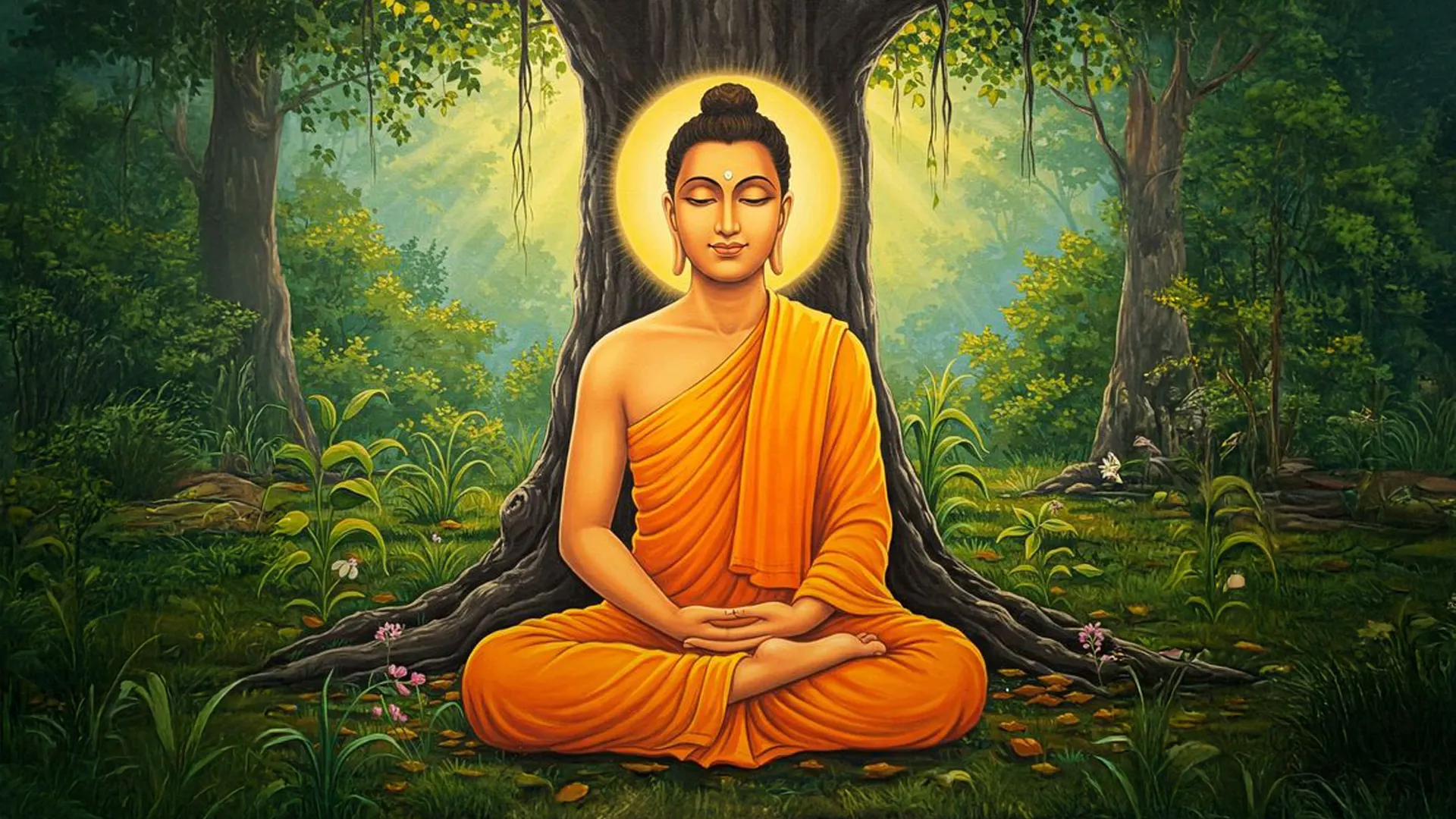
The Wisdom of Knowing One's Own Foolishness
The Buddha's profound observation, "The fool who knows that he is a fool is for that very reason wise; the fool who thinks he is wise is called a fool indeed," invites us to reflect on the nature of wisdom and self-awareness. At its core, this quote emphasizes the importance of humility and the recognition of our own limitations. In a world often driven by the pursuit of knowledge and status, this teaching serves as a gentle reminder that true wisdom lies not in the accumulation of facts, but in the understanding of oneself.
This insight is particularly relevant in our contemporary society, where the noise of opinions and the allure of expertise can lead us astray. The distinction between genuine wisdom and the illusion of wisdom is crucial; it challenges us to examine our own beliefs and assumptions. By acknowledging our ignorance, we open ourselves to growth and deeper understanding, allowing us to navigate life with greater clarity and compassion.
The image / the metaphor
The imagery in the Buddha's quote is striking in its simplicity yet profound in its implications. The "fool who knows he is a fool" embodies a paradoxical wisdom, one that recognizes the limitations of knowledge and the vastness of the unknown. This awareness is not a source of shame but rather a foundation for growth; it is a fertile ground from which true understanding can blossom. In contrast, the "fool who thinks he is wise" is trapped in a delusion, blinded by arrogance and an inflated sense of self. This stark dichotomy serves as a powerful metaphor for the journey of self-discovery.
In the speaker's tradition
Within the rich tapestry of Buddhist thought, the concepts of humility and self-knowledge are deeply intertwined with the teachings of the Dharma. The Buddha's emphasis on self-awareness aligns with the notion of *prajna*, or wisdom, which is cultivated through understanding the nature of reality and our place within it. This wisdom is not merely intellectual but experiential, arising from a profound recognition of *sunyata*, or emptiness, which teaches us that our identities and beliefs are often constructed and contingent.
Moreover, this teaching resonates with the practice of *kenosis*, or self-emptying, found in various spiritual traditions. By letting go of our preconceived notions of wisdom and embracing our ignorance, we create space for genuine insight to emerge. The Dhammapada, from which this quote is drawn, is filled with verses that encourage practitioners to cultivate mindfulness and discernment, reminding us that the path to enlightenment begins with the recognition of our own limitations.
Living the teaching
Consider a modern scenario where this teaching can be applied: a workplace environment filled with competitive colleagues. In such a setting, one might encounter individuals who are quick to assert their expertise, often leading to misunderstandings and conflict. By embodying the wisdom of the Buddha's quote, a person who recognizes their own limitations can approach discussions with humility, inviting collaboration rather than competition. This openness not only fosters a more harmonious work atmosphere but also encourages collective growth and learning.
In the realm of personal relationships, the application of this teaching can be equally transformative. Imagine a situation where a disagreement arises between partners. The one who clings to the belief that they are always right may escalate tensions, while the one who acknowledges their own potential for misunderstanding can create space for dialogue and reconciliation. By embracing the humility of recognizing one's own foolishness, relationships can deepen, allowing for greater empathy and connection.
A reflection
As we contemplate the wisdom embedded in the Buddha's words, we are invited to ask ourselves: "In what areas of my life do I cling to the illusion of wisdom, and how might embracing my own ignorance lead to deeper understanding and connection?" This question encourages a reflective practice that can illuminate the pathways to growth and transformation. By fostering a spirit of inquiry and humility, we can navigate our lives with greater awareness, ultimately moving closer to the wisdom that the Buddha so profoundly articulated.




Join the BrightStar Community
Stay connected with daily inspiration, event announcements, and community wisdom