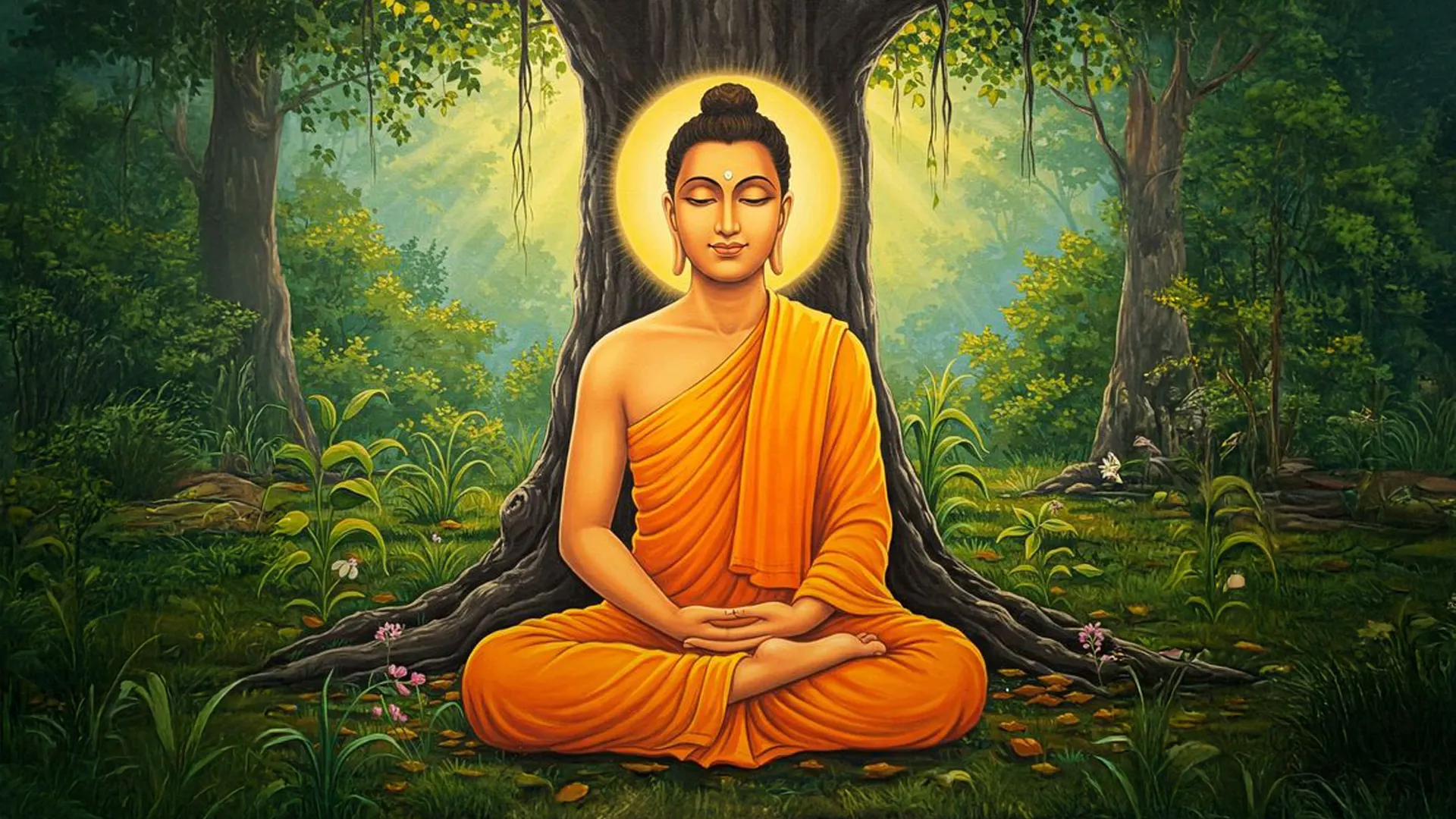
The Path of Purification: Embracing the Buddha's Wisdom
In the profound words of the Buddha, "To avoid all evil, to cultivate good, and to cleanse one's mind — this is the teaching of the Buddhas." This succinct yet powerful statement encapsulates the essence of Buddhist practice, urging us to navigate our lives with intention and mindfulness. The stakes are high; our mental and emotional landscapes shape our experiences and interactions, and thus, understanding this teaching is crucial for personal transformation and spiritual growth.
At its core, this quote invites us to reflect on the nature of our thoughts and actions. It emphasizes a triad of essential practices: the avoidance of harm, the cultivation of virtue, and the cleansing of the mind. Each component is interwoven, suggesting that our inner state directly influences our external reality. By engaging with this teaching, we embark on a journey toward greater awareness and compassion, not only for ourselves but for all beings.
The image / the metaphor
The imagery within the Buddha's quote is rich and evocative. To "avoid all evil" conjures a sense of vigilance and discernment, urging us to be aware of the choices we make and the potential consequences they carry. The phrase "to cultivate good" suggests an active engagement with life, akin to tending a garden where positive qualities such as kindness, generosity, and wisdom can flourish. Finally, "to cleanse one's mind" evokes the image of purification, akin to washing away impurities to reveal the clarity and brilliance of our true nature.
In the speaker's tradition
Within the rich tapestry of Buddhist thought, the teachings of the Buddha resonate deeply with concepts such as dharma, the natural law that governs ethical conduct and spiritual development. The practice of avoiding evil aligns with the principle of right action, one of the elements of the Noble Eightfold Path. This path serves as a guide for ethical living, emphasizing the importance of intention and mindfulness in our actions. Furthermore, the notion of cleansing the mind connects to the practice of meditation, which is central to Buddhism and serves as a means to cultivate awareness and insight.
In the Dhammapada, where this quote is sourced, we find numerous verses that echo this sentiment. For instance, the text frequently emphasizes the importance of mental discipline and the cultivation of wholesome states of mind. The Buddha teaches that our thoughts shape our reality, and thus, by purifying our minds, we can transform our experiences. This idea is mirrored in other spiritual traditions, where the emphasis on inner purification and ethical living is seen as a pathway to enlightenment and liberation.
Living the teaching
Consider a modern scenario where this teaching can be applied: imagine a workplace environment filled with competition and stress. In such a setting, the temptation to engage in gossip or undermine colleagues may arise. By consciously choosing to avoid these harmful behaviors, one can create a more supportive atmosphere. Cultivating good in this context might involve offering assistance to a struggling coworker or acknowledging their contributions, thereby fostering a sense of community and collaboration.
In a personal relationship, the application of this teaching can be equally transformative. During a disagreement, one might feel the urge to retaliate or harbor resentment. However, by practicing mindfulness and choosing to avoid harmful words or actions, one can instead approach the situation with compassion and understanding. This not only helps to cleanse the mind of negativity but also opens the door to deeper connection and healing within the relationship.
A reflection
As we contemplate the Buddha's teaching, we are invited to consider how we can embody these principles in our daily lives. What specific actions can we take to avoid harm, cultivate goodness, and purify our minds? Reflecting on this question can lead us to a deeper understanding of our motivations and the impact of our choices, ultimately guiding us toward a more compassionate and mindful existence.




Join the BrightStar Community
Stay connected with daily inspiration, event announcements, and community wisdom