The Steadfast Heart: Embracing Maturity in Life's Journey
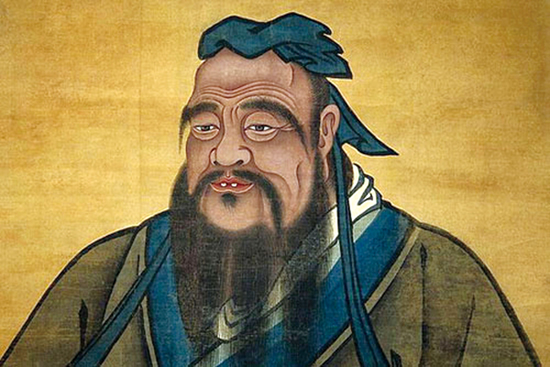
Confucius once remarked, "At thirty, I stood firm," a declaration that encapsulates a pivotal moment of self-realization and stability in one's life. This assertion speaks to the essence of maturity, suggesting that by the age of thirty, an individual has cultivated a sense of purpose and direction. The significance of this statement lies not merely in the age itself but in the profound understanding of oneself and the world that one is expected to attain by this stage. In a society that often equates youth with potential and age with decline, Confucius invites us to reconsider the value of steadfastness and the wisdom that comes with maturity.
As we delve deeper into this quote, we recognize that standing firm is not merely about physical or emotional stability; it is about the cultivation of virtues that guide one's actions and decisions. It is a call to embrace the complexities of life with a grounded heart and a clear mind. In a world that often feels chaotic and uncertain, the ability to stand firm becomes a beacon of hope and resilience. This quote serves as a reminder that maturity is not a destination but a continuous journey, one that requires introspection, commitment, and the courage to remain true to oneself amidst external pressures.
The image / the metaphor
The imagery in Confucius's statement evokes a sense of solidity and unwavering resolve. The phrase "stood firm" conjures visions of a tree deeply rooted in the earth, unyielding against the winds of change. This metaphor speaks to the strength that comes from a well-established foundation, suggesting that true maturity is built upon the lessons learned and the experiences gathered over time. The choice of the verb "stood" implies an active choice to remain steadfast, highlighting the importance of agency in the process of personal growth.
In the speaker's tradition
Within the context of Confucianism, the notion of standing firm resonates with the concept of *ren*, or humaneness, which emphasizes the importance of moral integrity and ethical conduct. This idea is closely related to the notion of *li*, or ritual propriety, which guides individuals in their interactions with others. By embodying these virtues, one cultivates a sense of steadiness that not only benefits oneself but also contributes to the harmony of the community. In this way, Confucius's teaching transcends individual maturity, extending into the realm of social responsibility.
Moreover, the *Analects*, where this quote is found, serves as a rich source of wisdom that encourages self-reflection and personal development. In *Analects 2.4*, Confucius emphasizes the importance of self-cultivation as a lifelong endeavor. This echoes the Buddhist concept of *prajna*, or wisdom, which also highlights the necessity of inner growth and understanding. Both traditions recognize that true maturity is a process that unfolds over time, requiring dedication and introspection.
Living the teaching
Consider a modern scenario where this teaching might resonate: a young professional navigating the complexities of their career. Faced with pressures to conform to the fast-paced demands of the workplace, they may find themselves at a crossroads, unsure of their path. By embodying the spirit of Confucius's words, they can choose to stand firm in their values, prioritizing integrity and authenticity over fleeting success. This steadfastness not only fosters personal growth but also inspires those around them to pursue their own paths with courage.
In the realm of relationships, the teaching of standing firm can manifest in moments of conflict or misunderstanding. Imagine a couple facing a significant disagreement; instead of succumbing to the temptation to abandon their principles for the sake of harmony, they can choose to engage in open dialogue, standing firm in their commitment to understanding one another. This approach not only strengthens their bond but also cultivates a deeper sense of trust and respect, illustrating how steadfastness can transform challenges into opportunities for growth.
A reflection
As we reflect on Confucius's assertion, we are invited to consider our own journeys toward maturity. What does it mean for us to stand firm in our beliefs and values? In a world that often encourages conformity, how can we cultivate the courage to remain true to ourselves? These contemplative questions invite us to explore the depths of our own convictions and the ways in which we can embody steadfastness in our daily lives, ultimately leading us toward a more authentic existence.




Join the BrightStar Community
Stay connected with daily inspiration, event announcements, and community wisdom