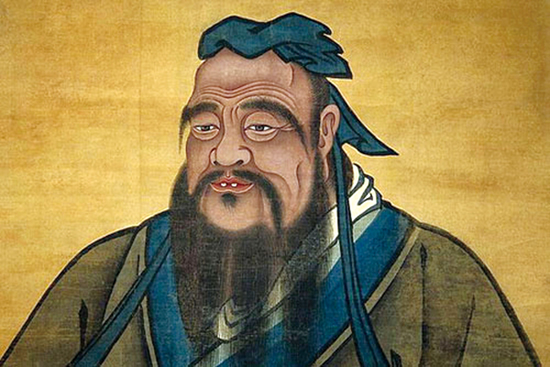
The Harmony of Economy and Compassion
Confucius's assertion, "Economy in expenditure, and love for men," encapsulates a profound ethical principle that intertwines fiscal prudence with a deep-seated compassion for humanity. In a world often driven by excess and self-interest, this quote serves as a reminder of the delicate balance between responsible governance and the nurturing of human relationships. It invites us to reflect on how our choices in resource allocation can either foster or hinder the well-being of those around us, emphasizing that true leadership is rooted in both wisdom and empathy.
This teaching resonates deeply in contemporary society, where the challenges of economic disparity and social disconnection are ever-present. Confucius urges us to consider not only the material aspects of our lives but also the moral implications of our actions. By advocating for a measured approach to expenditure alongside a commitment to love and care for others, he presents a holistic vision of governance that transcends mere financial management. It is a call to cultivate a community where economic decisions are made with the welfare of all in mind, fostering a sense of belonging and mutual respect.
The image / the metaphor
The imagery in Confucius's quote evokes a duality that is both practical and emotional. "Economy in expenditure" suggests a careful, deliberate approach to resources, urging leaders and individuals alike to be mindful of how they allocate their time, energy, and finances. The term "love for men" introduces a relational dimension, emphasizing that the essence of governance and personal conduct should be rooted in compassion and respect for others. Together, these elements create a vivid picture of a society where material restraint is harmonized with a generous spirit.
In the speaker's tradition
Within the framework of Confucianism, this quote reflects core concepts such as ren (仁), often translated as "benevolence" or "humaneness," which emphasizes the importance of compassion in human interactions. Ren is not an abstract ideal but a practical guide for ethical behavior, urging individuals to cultivate virtues that promote social harmony. The notion of economy in expenditure aligns with the Confucian value of moderation, which advocates for balance in all aspects of life, including governance and personal conduct. This interconnectedness of ethical living and responsible resource management is a hallmark of Confucian thought.
Moreover, we can draw parallels with other philosophical traditions that emphasize similar values. For instance, the Buddhist concept of dharma encourages individuals to act in ways that promote the welfare of all beings, resonating with Confucius's call for love and compassion. In the Analects, Confucius often underscores the importance of moral integrity in leadership, suggesting that a ruler who embodies these principles will inspire loyalty and respect among the people. This ethical framework serves as a timeless guide for navigating the complexities of governance and personal relationships.
Living the teaching
Consider a modern scenario where a community leader faces the challenge of budget cuts in a local program that supports underprivileged families. The leader is confronted with the decision of whether to prioritize financial savings or to advocate for the continuation of the program, which provides essential services. By embodying the principle of "economy in expenditure, and love for men," the leader might choose to seek alternative funding sources or engage the community in a dialogue about resource allocation, demonstrating that fiscal responsibility can coexist with a commitment to social welfare.
In a more personal context, imagine a relationship strained by financial stress. One partner may feel overwhelmed by the burden of expenses, leading to tension and conflict. By embracing the teaching of Confucius, both partners can approach their situation with a mindset of love and understanding. They can engage in open conversations about their financial priorities, ensuring that their decisions reflect not only their economic realities but also their shared values and commitment to each other. This practice of compassionate communication fosters a deeper connection and reinforces the idea that love and responsibility are not mutually exclusive.
A reflection
As we contemplate the wisdom of Confucius's words, we might ask ourselves: How can I cultivate a balance between my material responsibilities and my relationships with others? This question invites us to reflect on our own lives, encouraging us to consider how our choices impact not only our well-being but also the well-being of those around us. In seeking to embody both economy and love, we can contribute to a more compassionate and harmonious world.




Join the BrightStar Community
Stay connected with daily inspiration, event announcements, and community wisdom