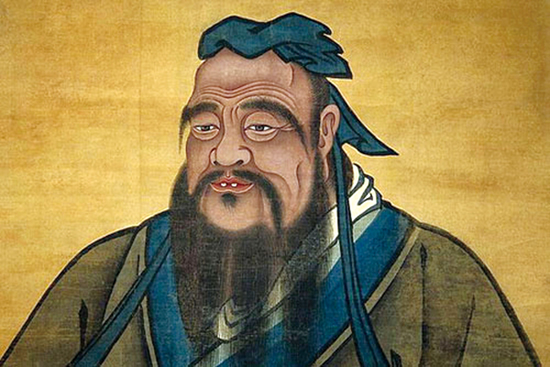
The Heart's Journey: Embracing the Way of Confucius
In the words of Confucius, we are invited to cultivate a life centered on the pursuit of the Way, grounded in virtue, and enriched by benevolence and the arts. This quote serves as a profound reminder of the interconnectedness of our inner lives and the outer world. By setting our hearts on a noble path, we align ourselves with a greater purpose, fostering a life that resonates with harmony and compassion. The stakes are high; in a world often marked by chaos and distraction, this teaching offers a compass for navigating our existence with intention and grace.
Moreover, Confucius's guidance speaks to the essence of human experience, urging us to find solace in virtue and to express our humanity through benevolence and creativity. Each element of this quote encapsulates a vital aspect of living a fulfilled life. The Way, or Dao, represents not just a philosophical ideal but a practical framework for daily living. In a society that often prioritizes material success over moral integrity, Confucius's wisdom challenges us to reconsider our values and to cultivate a heart that seeks the deeper truths of existence.
The image / the metaphor
At first glance, the imagery in Confucius's quote evokes a serene journey of the heart. "Set your heart on the Way" suggests a deliberate choice to pursue a path that transcends mere existence. The verbs chosen—set, rest, abide, relax—convey a sense of action coupled with tranquility. This juxtaposition invites us to engage actively with our lives while also finding peace in our pursuits. The heart, often seen as the seat of emotion and intention, becomes the focal point of this journey, emphasizing the importance of inner alignment with our values.
Diving deeper into the metaphor, we see that each action represents a stage in the cultivation of a meaningful life. To "rest in virtue" implies a state of being where moral integrity is not just an aspiration but a foundation upon which we build our character. "Abide in benevolence" suggests a commitment to kindness and compassion as guiding principles in our interactions with others. Finally, to "relax in the arts" speaks to the necessity of creativity and expression as vital components of a well-rounded existence. Together, these elements form a holistic approach to living that honors both the individual and the collective.
In the speaker's tradition
Confucius's teachings are deeply rooted in the tradition of Confucianism, which emphasizes the cultivation of moral character and the importance of social harmony. Central to this philosophy is the concept of ren, often translated as "benevolence" or "humaneness," which aligns closely with the idea of abiding in benevolence. This notion resonates with the Buddhist concept of karuna, or compassion, highlighting a shared understanding across traditions of the importance of empathy in human relationships. Additionally, the Confucian emphasis on virtue parallels the idea of dharma in Hinduism, where living in accordance with one's ethical duties is paramount.
In the Analects, Confucius often speaks of the importance of self-cultivation and the role of the individual in contributing to societal well-being. For instance, in Analects 1.2, he states, "Is it not a joy to have friends come from afar?" This sentiment reflects the value placed on community and connection, reinforcing the idea that our personal journeys are intertwined with the lives of others. By setting our hearts on the Way and embodying virtue, we not only elevate ourselves but also contribute to the greater good.
Living the teaching
Consider a modern scenario where this teaching can be applied: a workplace environment filled with competition and stress. In such a setting, one might feel pressured to prioritize personal success over collaboration. However, by setting one's heart on the Way, an individual can choose to foster a culture of support and encouragement. This could manifest in small acts of kindness, such as offering help to a colleague or celebrating their achievements. By resting in virtue, one creates a ripple effect that transforms the workplace into a more harmonious space, demonstrating that success is not solely measured by individual accomplishments but by the collective well-being of the team.
Another application of this teaching can be found in personal relationships. Imagine navigating a difficult conversation with a loved one. By abiding in benevolence, one can approach the dialogue with empathy and understanding, seeking to listen rather than to respond defensively. This practice not only deepens the connection between individuals but also cultivates an environment where both parties feel valued and heard. In daily life, whether through artistic expression or simple acts of kindness, the invitation to relax in the arts encourages us to embrace creativity as a means of connecting with ourselves and others, enriching our shared human experience.
A reflection
As we contemplate the wisdom of Confucius, we are left with a profound question to ponder: How can I align my heart with the Way in my daily life? This inquiry invites us to reflect on our values, our relationships, and our creative expressions. In a world that often pulls us in various directions, this question serves as a guiding light, urging us to cultivate a life that is not only meaningful to ourselves but also beneficial to those around us. By embracing this journey, we honor the essence of Confucius's teaching and embark on a path of continuous growth and connection.




Join the BrightStar Community
Stay connected with daily inspiration, event announcements, and community wisdom