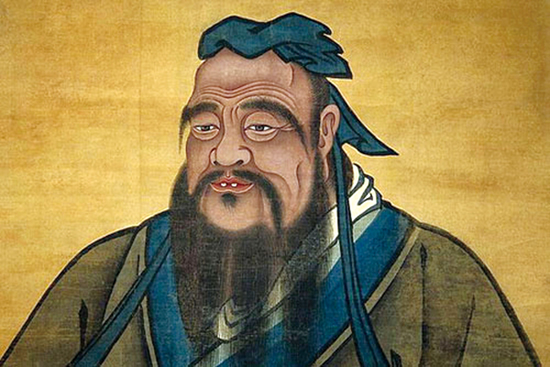
The Dignity of Restraint: A Confucian Reflection
In the words of Confucius, "The superior man is dignified and does not wrangle." This statement encapsulates a profound understanding of character and the essence of dignity. It suggests that true nobility lies not in the ability to argue or assert oneself aggressively, but rather in the capacity to maintain composure and grace, even in the face of conflict. The stakes of this teaching are high; in a world often characterized by discord and strife, the ability to embody dignity can lead to a more harmonious existence.
To delve deeper into this quote, we must consider the implications of dignity and restraint in our interactions with others. Confucius invites us to reflect on the nature of our responses to provocation and disagreement. In a society that frequently rewards confrontation and assertiveness, the superior man stands apart, embodying a quiet strength that fosters peace rather than discord. This teaching challenges us to reconsider our own behaviors and the values we uphold, urging us to cultivate a character that prioritizes dignity over the fleeting satisfaction of winning an argument.
The image / the metaphor
At its core, the quote presents a vivid image of a "superior man" — a figure who embodies dignity. The term "dignified" evokes a sense of poise and self-respect, suggesting that this individual carries himself with an inherent grace that commands respect from others. The verb "does not wrangle" implies a refusal to engage in petty disputes or arguments, highlighting a deliberate choice to rise above the fray. This imagery invites us to envision a person who, rather than being drawn into conflict, stands firm in his principles and values, radiating calmness and assurance.
Digging deeper into the metaphor, we can see that dignity is not merely a passive state but an active choice. It requires a conscious decision to prioritize peace and understanding over the desire to be right. The superior man, in this sense, becomes a beacon of stability in a tumultuous world, embodying the idea that true strength lies in restraint. This metaphor serves as a reminder that our character is often revealed not in moments of triumph, but in how we navigate challenges and disagreements.
In the speaker's tradition
Confucius's teachings are deeply rooted in the tradition of Confucianism, which emphasizes the cultivation of virtue and moral character. Central to this philosophy is the concept of "ren," often translated as humaneness or benevolence, which underscores the importance of compassion and respect in our interactions. The idea of dignity, as expressed in this quote, aligns closely with the Confucian ideal of the "junzi," or superior person, who embodies moral integrity and strives to cultivate harmonious relationships with others. This notion resonates with similar concepts found in other spiritual traditions, such as "dharma" in Buddhism, which emphasizes righteous living and ethical conduct.
In the Analects, Confucius frequently addresses the importance of self-cultivation and the impact of one's character on society. For instance, in Analects 12.22, he states, "The Master said, 'Is it not a joy to have friends come from afar? Is it not a joy to learn from others? Is it not a joy to not take offense when others fail to appreciate your worth?'" This passage echoes the sentiment of dignity and restraint, illustrating how the superior man navigates relationships with grace and understanding, fostering a sense of community and mutual respect.
Living the teaching
Consider a modern scenario where this teaching might resonate: a workplace meeting where differing opinions lead to heated discussions. In such a setting, the superior man exemplifies dignity by listening attentively, acknowledging others' viewpoints, and responding thoughtfully rather than defensively. By choosing not to wrangle, he creates an atmosphere of collaboration and respect, allowing for a more productive dialogue. This approach not only enhances the quality of the conversation but also sets a standard for others, encouraging a culture of dignity and mutual understanding.
Another application of this teaching can be found in personal relationships, particularly during conflicts with loved ones. Imagine a disagreement with a partner where emotions run high. The temptation to argue and assert one's position can be strong, yet the superior man chooses to embody dignity by taking a step back, practicing active listening, and seeking to understand the other person's perspective. This choice not only diffuses tension but also deepens the connection between partners, fostering a relationship built on respect and empathy.
A reflection
As we contemplate the wisdom of Confucius, we are invited to reflect on our own responses to conflict and disagreement. How often do we find ourselves caught in the cycle of wrangling, prioritizing our need to be right over the value of maintaining dignity? In what ways can we cultivate a more dignified presence in our interactions, allowing for peace and understanding to flourish? These questions challenge us to embody the teachings of the superior man, transforming our relationships and, ultimately, our world.




Join the BrightStar Community
Stay connected with daily inspiration, event announcements, and community wisdom