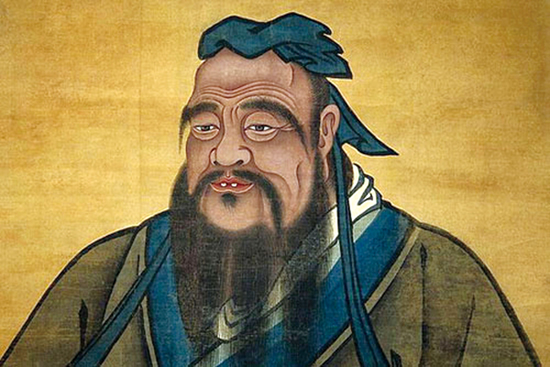
The Art of Discernment: Navigating the Path of Right Action
In the words of Confucius, "The superior man is firm in the right; not pertinacious in trifles." This profound statement invites us to reflect on the nature of discernment and the importance of prioritizing what truly matters in our lives. It challenges us to cultivate a steadfast commitment to righteousness while avoiding the pitfalls of becoming overly fixated on inconsequential matters. In a world rife with distractions and trivialities, this teaching serves as a guiding light, urging us to focus on the essence of our values and actions.
To grasp the depth of this quote, we must consider the duality it presents: the superior man, characterized by his firmness in what is right, stands in stark contrast to the tendency to become mired in trivial pursuits. This distinction is crucial, as it speaks to the heart of Confucian ethics, which emphasizes the cultivation of virtue and the importance of moral clarity. By recognizing the weight of our choices and the impact they have on ourselves and others, we can navigate the complexities of life with greater wisdom and integrity.
The image / the metaphor
At its core, the quote evokes a vivid image of a person who embodies strength and conviction in their moral stance. The term "superior man" suggests an individual who has attained a level of ethical maturity, one who is not easily swayed by the noise of the world. The choice of the word "firm" conveys a sense of stability and resilience, while "pertinacious" implies an obstinate adherence to trivial matters. Together, these elements create a felt sense of balance between steadfastness in virtue and the wisdom to let go of the inconsequential.
Diving deeper into the metaphor, we can see that the "trifles" represent the myriad distractions that can lead us astray from our true purpose. In a society that often glorifies superficial achievements and petty conflicts, the superior man serves as a reminder of the importance of discernment. This metaphorical landscape invites us to examine our own lives: are we anchored in our values, or are we swept away by the tide of trivial concerns? The challenge lies in cultivating the discernment to recognize what is truly significant and to act accordingly.
In the speaker's tradition
Confucius's teachings are deeply rooted in the tradition of Confucianism, which emphasizes the cultivation of virtue, moral integrity, and the importance of relationships. Central to this philosophy is the concept of "ren," often translated as humaneness or benevolence, which calls for a deep understanding of our interconnectedness with others. This notion resonates with the idea of "dharma" in other spiritual traditions, where the focus is on living in alignment with one's true nature and responsibilities. The superior man, therefore, embodies the principles of ren, demonstrating a commitment to what is right while avoiding the distractions of trivial pursuits.
In the Analects, Confucius often highlights the importance of self-cultivation and moral rectitude. In a similar vein, the concept of "li," or ritual propriety, underscores the significance of behaving in accordance with ethical norms and social harmony. The superior man, by being firm in the right, aligns himself with these principles, fostering a sense of order and integrity in his actions. This alignment not only benefits the individual but also contributes to the greater good of society, illustrating the interconnectedness of personal virtue and communal harmony.
Living the teaching
Consider a modern scenario where this teaching can be applied: a workplace conflict arises over a minor issue, perhaps a disagreement about the color of a presentation slide. In this situation, one might become overly fixated on the triviality of the matter, allowing it to escalate into a larger dispute. However, embodying the wisdom of the superior man means recognizing that the essence of the situation lies not in the color of the slide but in fostering collaboration and maintaining a positive work environment. By choosing to focus on what truly matters—effective communication and teamwork—one can navigate the conflict with grace and integrity.
Another application of this teaching can be found in personal relationships. Imagine a couple facing a disagreement over household chores. If one partner becomes obstinate about the specifics of how tasks should be completed, they risk losing sight of the deeper values of partnership and mutual respect. By embodying the spirit of the superior man, they can choose to engage in open dialogue, prioritizing understanding and compromise over trivial disputes. This approach not only strengthens the relationship but also cultivates a deeper sense of connection and harmony.
A reflection
As we contemplate the wisdom of Confucius, we are invited to reflect on our own lives and the choices we make. Are we firm in our commitment to what is right, or do we find ourselves entangled in the trivialities that distract us from our true purpose? In moments of decision, let us ask ourselves: What is truly significant in this situation, and how can I align my actions with my deepest values? This contemplative inquiry can guide us toward a more meaningful and authentic existence.




Join the BrightStar Community
Stay connected with daily inspiration, event announcements, and community wisdom