The Dance of Action and Stillness
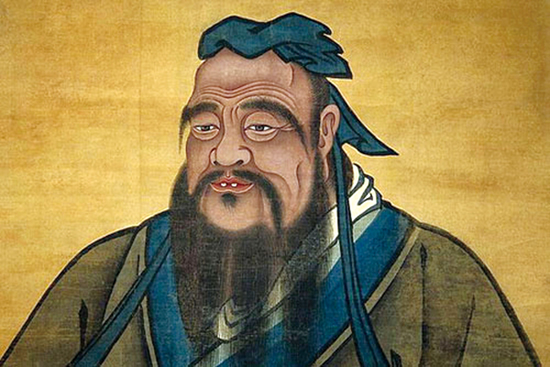
In the words of Confucius, "The wise are active; the virtuous tranquil." This profound statement invites us to explore the delicate interplay between wisdom and virtue, suggesting that true wisdom manifests in action while virtue finds its home in tranquility. In a world often characterized by frenetic activity and relentless striving, this quote serves as a reminder of the importance of balance in our lives. It challenges us to consider how we can embody both qualities, navigating the complexities of existence with grace and intention.
As we delve deeper into this teaching, we recognize that wisdom and virtue are not merely abstract concepts but essential qualities that shape our character and influence our interactions with others. The wise person engages actively with the world, making decisions grounded in insight and understanding, while the virtuous individual cultivates a sense of inner peace and moral integrity. Together, these qualities create a harmonious existence, allowing us to contribute positively to our communities while remaining centered within ourselves.
The image / the metaphor
The imagery in Confucius's quote evokes a vivid contrast between action and stillness. The term "wise" suggests a dynamic engagement with life, characterized by thoughtful decision-making and purposeful action. In contrast, the word "virtuous" conjures a sense of calm and serenity, reflecting an inner state of being that is grounded in ethical principles. This duality invites us to consider how we can embody both qualities in our daily lives, recognizing that wisdom without virtue can lead to recklessness, while virtue without wisdom may result in passivity.
In the speaker's tradition
Within the rich tapestry of Confucian thought, the concepts of wisdom and virtue are deeply intertwined. Confucius emphasized the importance of "ren," often translated as benevolence or humaneness, which encompasses both wisdom and virtue. This notion resonates with the idea of "dharma" in other spiritual traditions, where righteous action is guided by ethical principles. In Confucianism, the cultivation of wisdom and virtue is seen as essential for personal development and societal harmony, reflecting the belief that a well-ordered society is built upon the moral character of its individuals.
In the Analects, Confucius frequently discusses the importance of self-cultivation and the role of the "junzi," or the noble person, who embodies both wisdom and virtue. This ideal figure acts with integrity and purpose, serving as a model for others. The teachings found in the Analects encourage us to reflect on our own actions and motivations, urging us to strive for a balance between active engagement and inner tranquility, ultimately leading to a more harmonious existence.
Living the teaching
Consider a modern scenario where this teaching can be applied: a workplace filled with deadlines and high expectations. In such an environment, the wise employee actively seeks solutions, collaborates with colleagues, and navigates challenges with insight. However, amidst the hustle, it is equally important for them to cultivate a sense of tranquility, perhaps through mindfulness practices or moments of reflection. This balance allows them to remain effective and grounded, fostering a positive atmosphere that encourages both productivity and well-being.
In a more personal context, think about a relationship that has faced challenges. The wise partner engages in open communication, actively listening and seeking to understand the other’s perspective. Meanwhile, the virtuous partner embodies patience and compassion, creating a space for healing and growth. By embodying both wisdom and virtue, they can navigate the complexities of their relationship, fostering deeper connections and mutual respect. This dual approach not only enhances personal relationships but also enriches our interactions with the broader world.
A reflection
As we contemplate the wisdom of Confucius, we are invited to reflect on our own lives: How can we cultivate both wisdom and virtue in our daily actions? In what ways can we remain active in our pursuits while also nurturing a sense of inner peace? This inquiry encourages us to explore the balance between engagement and tranquility, guiding us toward a more harmonious existence that honors both our aspirations and our ethical commitments.




Join the BrightStar Community
Stay connected with daily inspiration, event announcements, and community wisdom