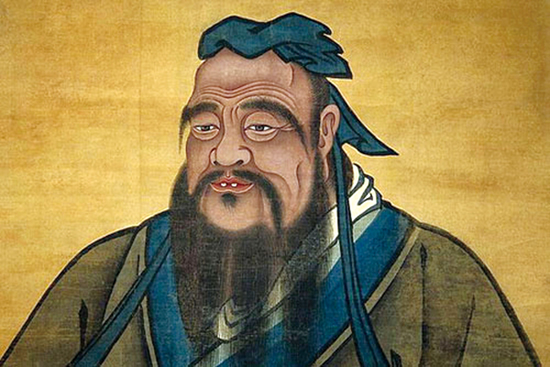
The Labor of Thought: Unpacking Confucius' Wisdom
Confucius once stated, "To learn without thinking is labor lost." This profound assertion invites us to consider the intrinsic relationship between learning and reflection. In a world often obsessed with the accumulation of knowledge, this quote serves as a gentle reminder that mere information gathering is insufficient without the accompanying process of contemplation. The stakes are high; without thoughtful engagement, our learning risks becoming superficial, failing to transform us or enrich our understanding of the world.
Delving deeper, we recognize that Confucius is not merely advocating for the act of thinking but is emphasizing a particular quality of thought that is reflective and discerning. This notion challenges us to engage with our experiences and knowledge actively, urging us to cultivate a deeper awareness of our thoughts and their implications. In this light, the quote becomes a call to action, prompting us to integrate our intellectual pursuits with a mindful examination of their significance in our lives.
The image / the metaphor
At its core, the quote presents a vivid image of labor—an effort that, while potentially strenuous and demanding, can ultimately yield little value if not accompanied by thoughtful consideration. The verbs "learn" and "think" suggest a dynamic interplay between acquiring knowledge and the cognitive processes that allow us to make sense of that knowledge. The phrase "labor lost" evokes a sense of futility, as if one were to toil endlessly in a field only to find it barren, devoid of the fruits of understanding.
Moreover, the metaphor extends beyond the physical act of labor to encompass the emotional and spiritual dimensions of learning. Just as a farmer must tend to the soil, nurturing it with care and attention, so too must we cultivate our minds with reflection and insight. This metaphor invites us to consider the quality of our intellectual endeavors, encouraging us to approach learning not as a mere task to be completed but as a journey of discovery that requires our full engagement.
In the speaker's tradition
Within the rich tapestry of Confucian thought, this quote resonates with the concept of *ren*, or humaneness, which emphasizes the importance of moral reflection in our interactions and learning processes. Confucius believed that true wisdom arises not only from knowledge but also from the ethical application of that knowledge in our lives. This aligns with the broader philosophical themes found in various traditions, such as *prajna* in Buddhism, which speaks to the wisdom that emerges from deep understanding and insight.
Furthermore, the Analects, where this quote is found, serves as a foundational text in Confucianism, illustrating the importance of dialogue and reflection in the pursuit of knowledge. In this context, Confucius often engaged his disciples in discussions that encouraged them to think critically about moral and ethical dilemmas. This practice of reflective inquiry is akin to the Socratic method, where questioning and dialogue lead to deeper understanding, highlighting the universal nature of this wisdom across cultures.
Living the teaching
Consider a modern scenario where a student diligently attends lectures, takes copious notes, and memorizes facts for an upcoming exam. While this student may excel in tests, the learning experience remains shallow if they do not take the time to reflect on the material. By integrating moments of contemplation—perhaps through journaling or discussing ideas with peers—the student can transform their knowledge into a deeper understanding, allowing them to apply what they have learned in meaningful ways beyond the classroom.
A reflection
As we contemplate the wisdom of Confucius, we are invited to reflect on our own learning processes. How often do we pause to consider the implications of what we have learned? In what ways can we cultivate a practice of reflection that deepens our understanding and enriches our lives? By engaging with these questions, we honor the spirit of Confucius' teaching and embark on a journey toward more meaningful learning.




Join the BrightStar Community
Stay connected with daily inspiration, event announcements, and community wisdom