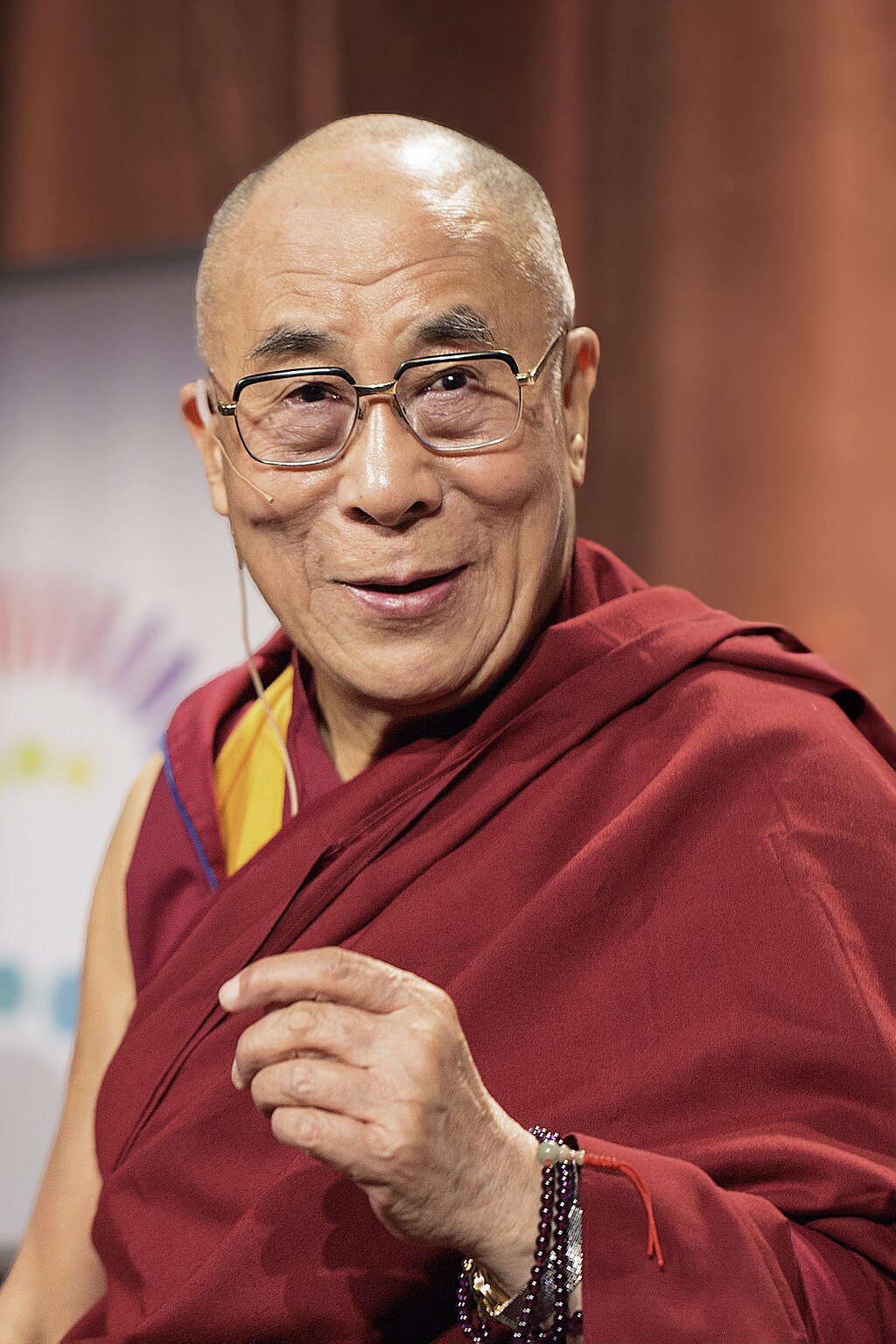
The Universal Longing for Happiness and Freedom
In the profound words of the Dalai Lama, "All beings want to be happy. All beings wish to be free of suffering." This statement encapsulates a fundamental truth about existence: the innate desire for joy and the aversion to pain is universal among all sentient beings. Recognizing this shared aspiration can foster compassion and empathy, bridging the divides that often separate us. Understanding this truth is not merely an intellectual exercise; it is a call to action, urging us to cultivate kindness and understanding in our interactions with others.
Moreover, this quote invites us to reflect on the nature of happiness and suffering. It suggests that these experiences are not isolated to individuals but are shared across the tapestry of life. This interconnectedness highlights the importance of our actions and attitudes toward others, as they can either contribute to collective happiness or perpetuate suffering. By embracing this perspective, we can begin to see our lives as part of a larger whole, where our well-being is intricately linked to the well-being of others.
The image / the metaphor
The imagery in the Dalai Lama's quote evokes a sense of universality and inclusivity. The use of "all beings" emphasizes that this desire for happiness and freedom from suffering transcends boundaries of species, culture, and circumstance. The verbs "want" and "wish" convey a deep yearning, suggesting that these desires are not merely superficial but are rooted in the very essence of existence. This felt sense of longing resonates with the human experience, reminding us that at our core, we share similar aspirations.
Diving deeper into the metaphor, we can see that happiness and suffering are not just personal experiences but are also relational and communal. The desire for happiness can be seen as a guiding light, illuminating the path toward compassion and understanding. Conversely, the wish to be free from suffering serves as a reminder of the pain that exists in the world, urging us to act with kindness and awareness. This duality invites us to engage with our own experiences while also acknowledging the struggles of others, fostering a sense of solidarity in our shared journey.
In the speaker's tradition
Within the context of Tibetan Buddhism, the Dalai Lama's quote resonates deeply with core concepts such as compassion (karuna) and interdependence (pratītyasamutpāda). The understanding that all beings seek happiness and wish to avoid suffering aligns with the Buddhist principle of the Four Noble Truths, which articulate the nature of suffering and the path to its cessation. This perspective encourages practitioners to cultivate a compassionate heart, recognizing that the alleviation of suffering for one is intrinsically linked to the alleviation of suffering for all.
Furthermore, the notion of sunyata, or emptiness, plays a crucial role in this teaching. By understanding that our perceptions of self and other are often illusory, we can begin to dissolve the barriers that separate us from one another. The Tibetan Buddhist text "The Heart Sutra" encapsulates this idea, emphasizing that form is emptiness and emptiness is form. This realization can lead to a profound sense of connection, reinforcing the idea that our happiness and suffering are intertwined with the happiness and suffering of all beings.
Living the teaching
Consider a modern scenario where this teaching can be applied: a workplace conflict. Imagine two colleagues who are at odds, each feeling misunderstood and frustrated. By recognizing that both individuals ultimately desire happiness and wish to be free from suffering, a shift in perspective can occur. This understanding can pave the way for open dialogue, empathy, and a collaborative approach to resolving the conflict. Instead of viewing each other as adversaries, they can see one another as fellow travelers on the path of life, each with their own struggles and aspirations.
In a different context, this teaching can be applied within personal relationships. During a difficult moment with a loved one, it can be easy to focus solely on our own feelings of hurt or disappointment. However, by remembering that our partner also wishes to be happy and free from suffering, we can approach the situation with greater compassion. This awareness can transform the interaction, allowing for healing and understanding rather than blame and resentment. In daily practice, cultivating this mindset can lead to more harmonious relationships and a deeper sense of connection with others.
A reflection
As we contemplate the Dalai Lama's words, we are invited to ask ourselves: How can I embody the understanding that all beings seek happiness and wish to be free from suffering in my daily life? This question encourages us to reflect on our actions, thoughts, and interactions, prompting us to consider how we can contribute to the well-being of others while also nurturing our own happiness. In this way, we can begin to weave a tapestry of compassion that honors the shared journey of all beings.




Join the BrightStar Community
Stay connected with daily inspiration, event announcements, and community wisdom