Embracing Our Legacy: The Call of Future Generations
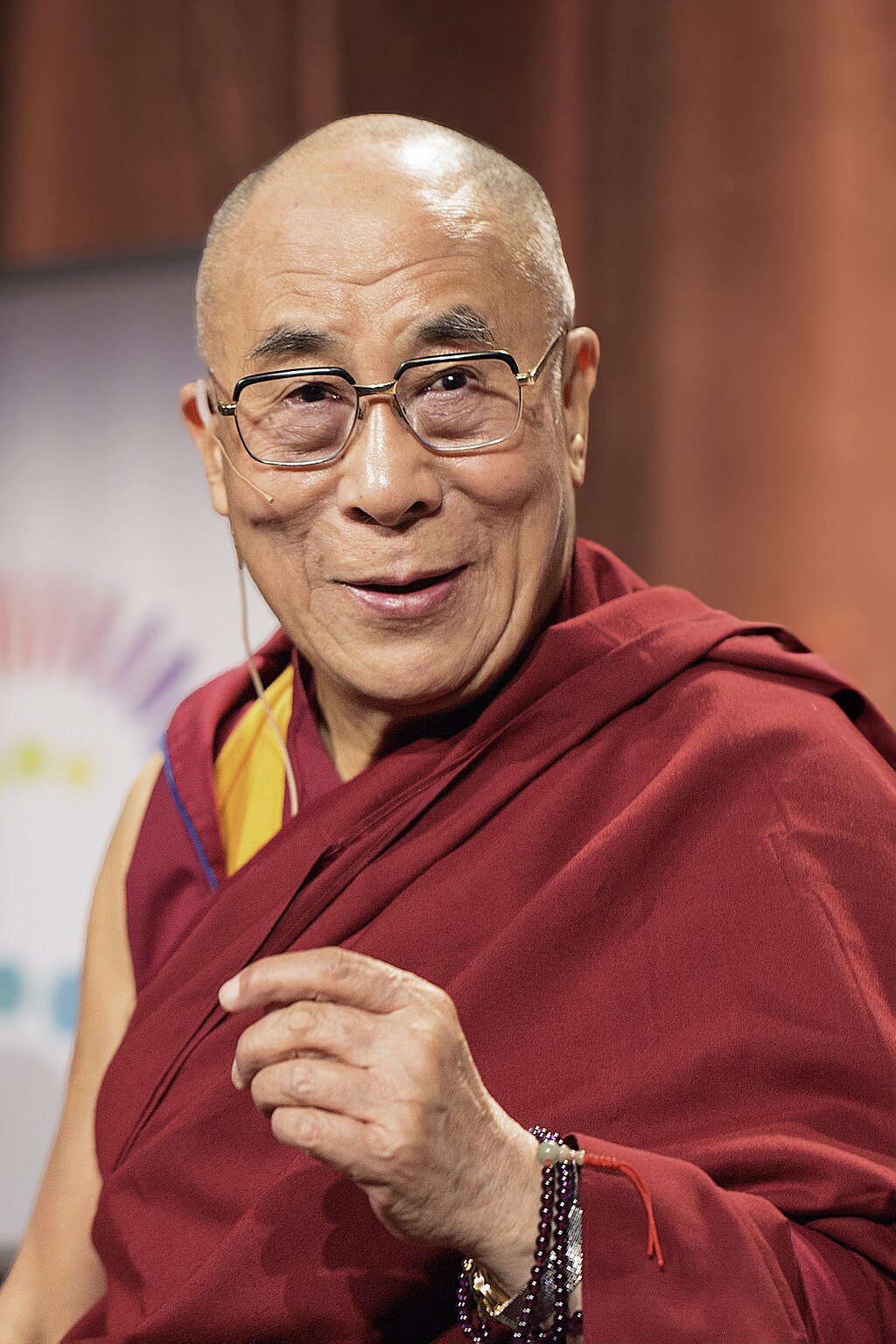
The Dalai Lama's poignant reminder, "As people alive today, we must consider future generations," urges us to reflect on our responsibilities towards those who will inherit the world we shape today. This call to mindfulness transcends mere environmental concerns; it encompasses the ethical, social, and spiritual dimensions of our actions. In a rapidly changing world, where the consequences of our choices ripple through time, this quote serves as a profound invitation to cultivate a sense of stewardship that honors both our present and the future.
In a time marked by unprecedented challenges—climate change, social injustice, and technological upheaval—this message resonates with urgency. The Dalai Lama's words compel us to recognize that our decisions today are not isolated events but rather threads woven into the fabric of a larger narrative that extends far beyond our own lifetimes. By fostering a consciousness that prioritizes the well-being of future generations, we not only enrich their lives but also deepen our own understanding of interconnectedness and responsibility.
The image / the metaphor
The imagery in the Dalai Lama's quote evokes a sense of continuity and connection, suggesting that our lives are part of a larger tapestry that includes both past and future. The phrase "consider future generations" implies a deliberate act of awareness, a conscious choice to look beyond immediate gratification and to envision the long-term impact of our actions. The verbs chosen—"consider"—invite us to engage in thoughtful reflection, urging us to weigh our decisions against the backdrop of their potential consequences for those yet to come.
Diving deeper into the metaphor, we can see that this quote encapsulates the essence of responsibility as a shared human experience. It challenges us to step outside of our individualistic tendencies and to embrace a collective ethos. The act of considering future generations is not merely an intellectual exercise; it is a heartfelt commitment to nurturing a world that is sustainable, just, and compassionate. In this way, the Dalai Lama's words serve as a bridge between the present and the future, inviting us to act with foresight and intention.
In the speaker's tradition
Within the framework of Tibetan Buddhism, the Dalai Lama's call to consider future generations aligns closely with the concept of *dharma*, which emphasizes ethical living and the interconnectedness of all beings. This tradition teaches that our actions have far-reaching consequences, and that cultivating compassion and wisdom is essential for the well-being of both ourselves and others. The notion of *kenosis*, or self-emptying, further complements this idea, as it encourages us to let go of ego-driven desires in favor of a more altruistic approach to life.
A relevant text that echoes this sentiment is the *Bodhicaryavatara* by Shantideva, which articulates the importance of aspiring to enlightenment not just for oneself, but for the benefit of all sentient beings. This text emphasizes the interconnectedness of existence and the moral imperative to act in ways that uplift others, reinforcing the Dalai Lama's message about our responsibilities to future generations. By grounding our actions in the principles of compassion and wisdom, we can create a legacy that honors the interconnected web of life.
Living the teaching
Consider a modern scenario where the teaching of considering future generations becomes particularly relevant: the ongoing climate crisis. As individuals and communities grapple with the implications of environmental degradation, the urgency to act responsibly becomes clear. For instance, a local community might decide to implement sustainable practices, such as reducing waste and promoting renewable energy sources. This collective effort not only addresses immediate concerns but also ensures that future generations inherit a healthier planet, demonstrating the tangible impact of the Dalai Lama's call.
In a more personal context, this teaching can manifest in our relationships and daily interactions. Imagine a parent who consciously chooses to model kindness and empathy for their children, understanding that these values will shape the next generation's approach to the world. By prioritizing compassion in our daily lives, we not only enrich our own experiences but also lay the groundwork for a more harmonious future. This practice of living with intention and awareness serves as a powerful reminder of our role in nurturing the world for those who will come after us.
A reflection
As we contemplate the Dalai Lama's profound words, we are invited to ask ourselves: "In what ways can I actively consider the impact of my actions on future generations?" This question encourages us to engage in a deeper reflection on our choices, prompting us to examine how our daily lives can contribute to a legacy of compassion and responsibility. By embracing this inquiry, we open ourselves to the possibility of living more mindfully, fostering a sense of connection that transcends time and space.




Join the BrightStar Community
Stay connected with daily inspiration, event announcements, and community wisdom