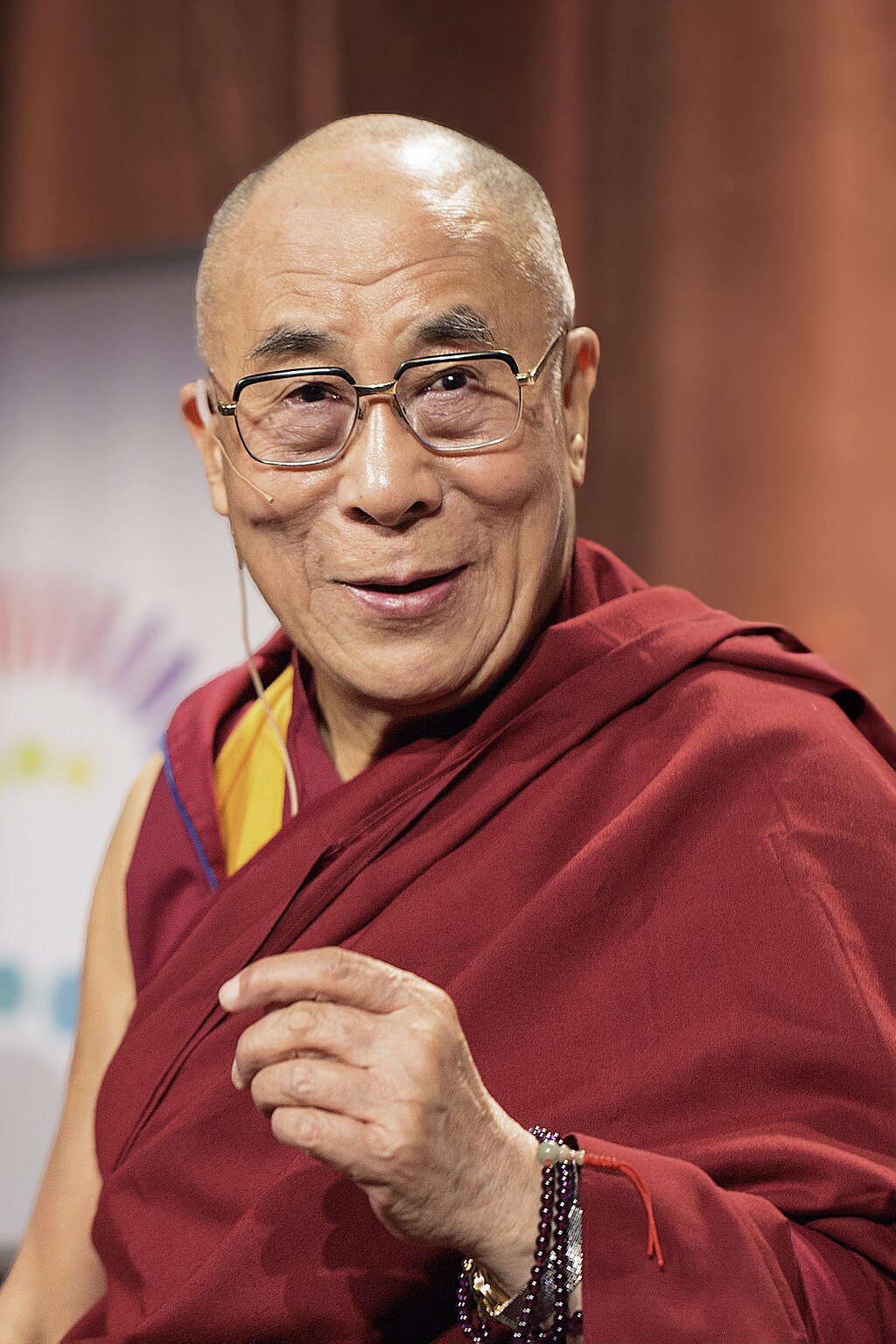
The Infinite Possibility of Kindness
In the words of the Dalai Lama, "Be kind whenever possible. It is always possible." This simple yet profound statement invites us to recognize the omnipresence of kindness as a choice we can make in every moment. It challenges us to examine our interactions and the intentions behind them, urging us to cultivate a habit of compassion that transcends circumstances. In a world often fraught with conflict and misunderstanding, the call to kindness becomes not just a moral directive but a transformative practice that can reshape our relationships and communities.
Delving deeper, we find that this quote encapsulates a fundamental truth about human existence: the power of our actions, however small, to create ripples of positivity. Kindness is not merely an act; it is a state of being that can be nurtured and expressed in myriad ways. The Dalai Lama's assertion reminds us that kindness is not contingent upon external conditions but is always within our reach, waiting to be manifested in our thoughts, words, and deeds. This perspective invites us to embrace a proactive approach to compassion, where we actively seek opportunities to uplift others, thereby enriching our own lives in the process.
The image / the metaphor
The imagery within the quote evokes a sense of boundless potential. The phrase "whenever possible" suggests that kindness is not limited by time or circumstance; it is a constant possibility that exists in every interaction. The verbs "be" and "kind" emphasize a state of existence rather than a mere action, inviting us to embody kindness as an integral part of our identity. This subtle shift in perspective encourages us to see kindness not as an occasional act but as a continuous thread woven into the fabric of our daily lives.
Moreover, the metaphor of kindness as a choice illuminates the inherent agency we possess. It suggests that kindness is not a passive response to the world but an active decision we can make at any moment. This understanding aligns with the Buddhist concept of "upaya," or skillful means, which encourages us to find the most effective ways to alleviate suffering. By recognizing that kindness is always possible, we empower ourselves to respond to life's challenges with compassion, transforming even the most mundane interactions into opportunities for connection and understanding.
In the speaker's tradition
Within the rich tapestry of Buddhist philosophy, the Dalai Lama's call to kindness resonates deeply with the principles of compassion and interconnectedness. Central to Buddhist teachings is the concept of "karuna," or compassion, which emphasizes the importance of alleviating the suffering of others. This aligns with the notion of "dharma," the ethical path that guides individuals toward enlightenment through acts of kindness and service. By embodying kindness, we not only fulfill our own spiritual journey but also contribute to the collective well-being of all sentient beings.
Furthermore, the Dalai Lama's teachings echo the wisdom found in the "Metta Sutta," a foundational text that encourages the cultivation of loving-kindness towards oneself and others. In this text, practitioners are urged to extend goodwill and compassion universally, transcending boundaries of identity and circumstance. The emphasis on kindness as a practice reflects the Buddhist understanding of "sunyata," or emptiness, which teaches that our identities are interdependent and fluid. By embracing kindness, we dissolve the barriers that separate us, fostering a sense of unity and shared humanity.
Living the teaching
Consider a modern scenario where this teaching can be applied: a busy commuter on a crowded train. In the rush of daily life, it is easy to overlook the people around us, lost in our own thoughts and agendas. Yet, in that moment, a simple smile or a gesture of acknowledgment can create a ripple effect of kindness. By choosing to engage with others, even in small ways, we can transform the atmosphere of our surroundings, fostering a sense of community and connection amidst the hustle and bustle of urban life.
In a more personal context, think about a challenging relationship—perhaps with a colleague or a family member. The Dalai Lama's teaching invites us to approach these interactions with a mindset of kindness, even when faced with conflict or misunderstanding. By consciously choosing to respond with compassion, we can create space for dialogue and healing, breaking the cycle of negativity that often perpetuates discord. This practice not only enriches our relationships but also cultivates a deeper sense of peace within ourselves, reinforcing the idea that kindness is indeed always possible.
A reflection
As we reflect on the Dalai Lama's words, we are invited to consider the ways in which we can embody kindness in our own lives. What small acts of kindness can we commit to today, and how might they transform our interactions with others? In a world that often feels divided, let us ponder how our choices can contribute to a more compassionate and connected existence. How can we make kindness not just a possibility, but a priority in our daily lives?




Join the BrightStar Community
Stay connected with daily inspiration, event announcements, and community wisdom