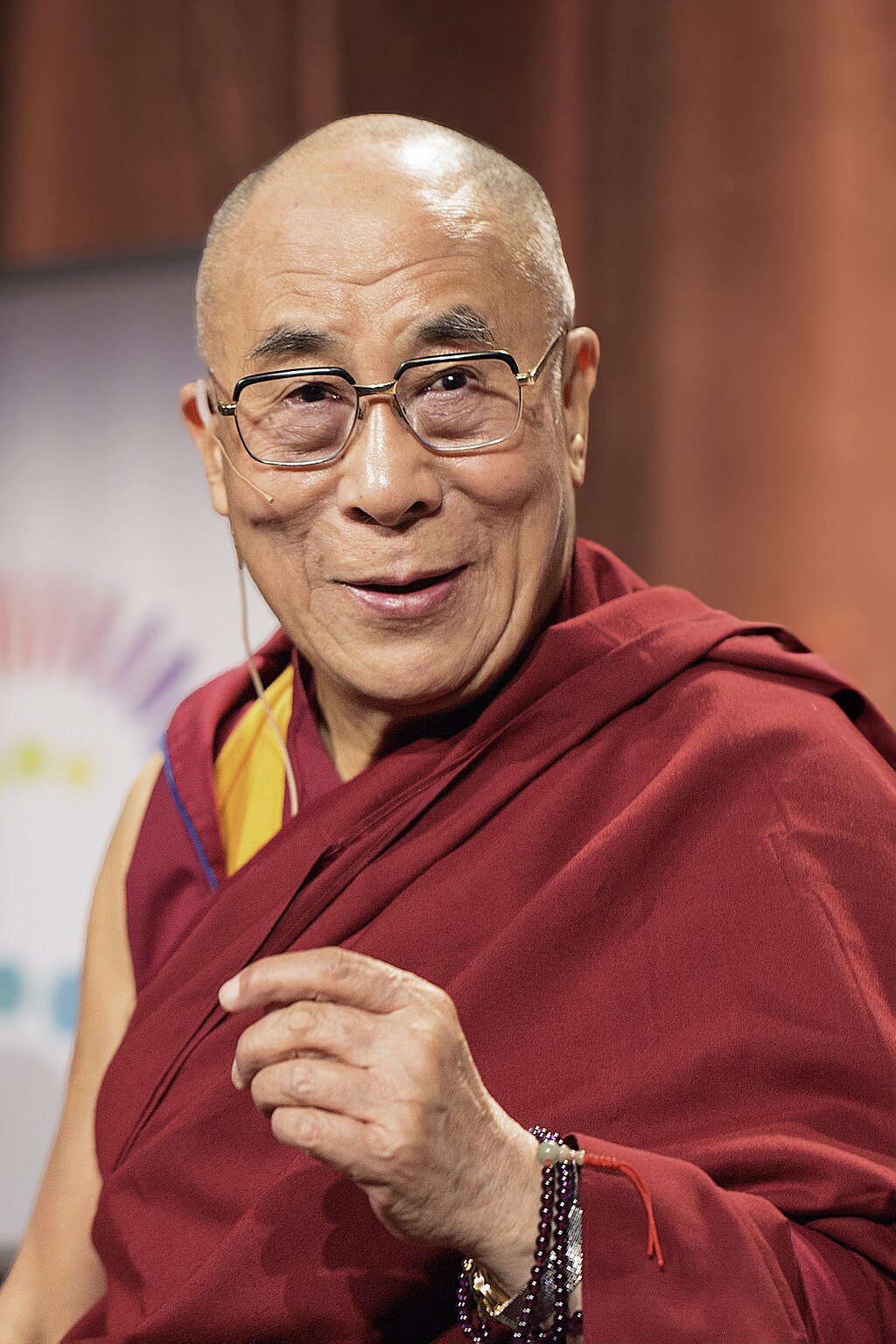
The Pursuit of Joy: A Journey Within
When the Dalai Lama asserts that "the purpose of our lives is to be happy," he distills a profound truth about human existence into a simple yet powerful statement. This declaration invites us to reflect on the essence of our lives and the motivations that drive our actions. In a world often clouded by suffering, ambition, and distraction, recognizing happiness as our ultimate purpose can serve as a guiding light, illuminating the path toward a more fulfilling existence.
Delving deeper, we find that this assertion is not merely about the transient pleasures that life can offer but rather an invitation to cultivate a deeper, more enduring sense of joy. Happiness, in this context, transcends fleeting moments of satisfaction; it is a state of being that arises from within, nourished by our thoughts, intentions, and actions. The Dalai Lama encourages us to explore the roots of our happiness, prompting us to consider how we can align our lives with this fundamental purpose.
The image / the metaphor
The imagery within the quote evokes a sense of clarity and simplicity, suggesting that happiness is not a distant goal but rather an intrinsic part of our existence. The verb "to be" emphasizes a state of being rather than a state of doing, inviting us to shift our focus from external achievements to internal fulfillment. This subtle yet profound distinction encourages us to seek happiness not in material possessions or accolades but in the very essence of who we are.
As we explore this metaphor further, we can envision happiness as a garden that requires nurturing and care. Just as a garden flourishes with the right conditions—sunlight, water, and attention—so too does our happiness thrive when we cultivate positive thoughts, engage in meaningful relationships, and practice compassion. The Dalai Lama's words remind us that happiness is not a passive experience; it is an active pursuit that demands our engagement and commitment.
In the speaker's tradition
Within the rich tapestry of Tibetan Buddhism, the pursuit of happiness is intricately linked to the concepts of dharma and the alleviation of suffering. The Dalai Lama teaches that true happiness arises from understanding the nature of reality and our interconnectedness with all beings. This perspective aligns with the Buddhist principle of sunyata, or emptiness, which encourages us to let go of attachments and desires that lead to suffering, allowing us to experience a more profound sense of peace and joy.
In his seminal work, "The Art of Happiness," the Dalai Lama draws upon the teachings of the Buddha, emphasizing that happiness is not a mere byproduct of external circumstances but a state that can be cultivated through mindfulness and compassion. This echoes the teachings found in the "Dhammapada," where the Buddha states that "happiness is a journey, not a destination." By embracing this journey, we can align ourselves with the deeper purpose of our lives.
Living the teaching
Consider a modern scenario where the pursuit of happiness becomes a focal point: a busy professional striving for success in a demanding job. In the relentless chase for promotions and accolades, it is easy to lose sight of the deeper purpose of happiness. By reflecting on the Dalai Lama's teaching, this individual might begin to reassess their priorities, recognizing that true fulfillment lies not in external validation but in nurturing relationships, practicing gratitude, and engaging in activities that bring joy and meaning.
In a different context, imagine a relationship strained by misunderstandings and unmet expectations. The Dalai Lama's wisdom can serve as a guiding principle, encouraging both partners to approach their interactions with compassion and a shared commitment to happiness. By fostering open communication and understanding, they can transform their relationship into a source of joy rather than a source of conflict, embodying the essence of the Dalai Lama's teaching in their daily lives.
A reflection
As we contemplate the Dalai Lama's assertion that "the purpose of our lives is to be happy," we are invited to engage in a deeper inquiry about our own lives. What does happiness mean to you, and how can you cultivate it in your daily existence? Reflecting on this question may reveal insights that guide you toward a more intentional and fulfilling life, aligning your actions with the profound purpose of happiness.




Join the BrightStar Community
Stay connected with daily inspiration, event announcements, and community wisdom