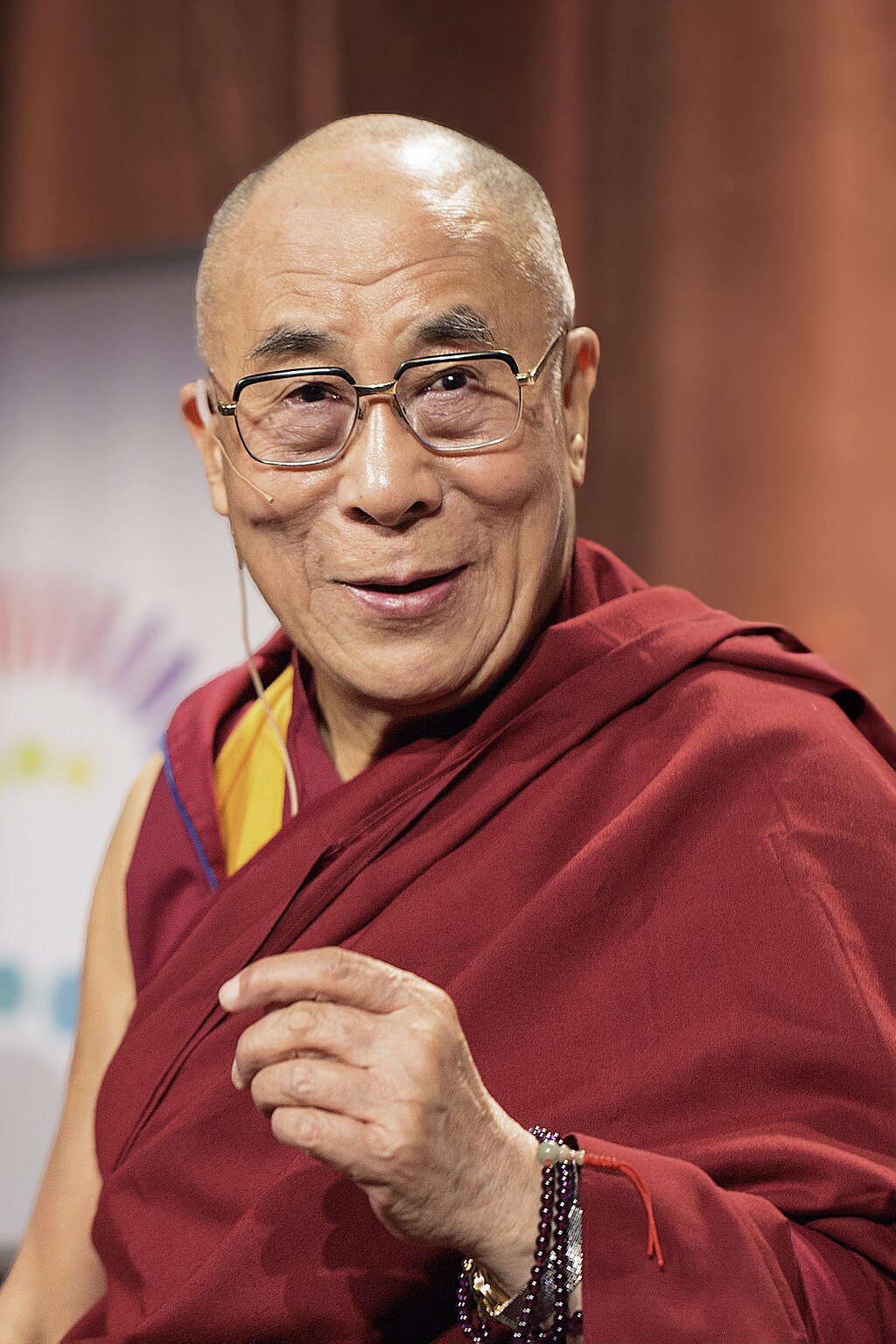
Embracing the Transition: Death as Transformation
The Dalai Lama's assertion that "Death is just a change of clothes" invites us to reconsider our understanding of mortality. This perspective challenges the often fearful and somber view of death, suggesting instead that it is a natural transition, akin to changing garments. In a world where the finality of life is frequently met with dread, this teaching offers a profound sense of liberation, urging us to embrace change rather than resist it. The stakes are high; how we perceive death influences how we live, love, and engage with the world around us.
Delving deeper into this notion, we find that the metaphor of changing clothes evokes a sense of continuity rather than an abrupt end. Just as we shed old garments to don new ones, so too do we shed our physical forms to transition into different states of existence. This perspective not only alleviates the fear surrounding death but also encourages a more fluid understanding of identity and existence. By recognizing death as a transformation rather than a termination, we open ourselves to a richer, more meaningful experience of life.
The image / the metaphor
The imagery of changing clothes conjures a vivid picture of transformation and renewal. It suggests a process that is both ordinary and profound, where the act of shedding one layer allows for the emergence of another. The verbs "is" and "change" in the quote imply a seamless transition, emphasizing that death is not an isolated event but rather part of a continuous cycle of existence. This metaphor resonates deeply with our lived experiences, where we often find ourselves in various stages of growth and evolution.
In the speaker's tradition
Within the context of Tibetan Buddhism, the Dalai Lama's teaching aligns with core concepts such as impermanence (anicca) and the nature of reality (sunyata). The understanding that all phenomena are transient encourages practitioners to cultivate a sense of non-attachment, recognizing that clinging to the material world leads to suffering. This perspective is further enriched by the concept of dharma, which emphasizes the importance of understanding the nature of existence and the cycles of life and death. By embracing the idea of death as a change of clothes, we can better align ourselves with the teachings of the Buddha, who urged followers to see beyond the illusion of permanence.
In texts such as the Tibetan Book of the Dead, the transition between life and death is elaborated upon, illustrating the stages of consciousness that one experiences after physical death. This text serves as a guide for navigating the afterlife, reinforcing the idea that death is not an end but a passage to another state of being. The teachings encourage practitioners to prepare for this transition through mindfulness and compassion, fostering a deeper understanding of the interconnectedness of all life.
Living the teaching
Consider a modern scenario where someone faces the death of a loved one. The grief that accompanies such a loss can be overwhelming, often leading to feelings of despair and hopelessness. However, by embracing the Dalai Lama's teaching, one might begin to see this death not as a final separation but as a transformation. This perspective allows for the possibility of continuing the relationship in a different form, honoring the memory of the loved one while recognizing that their essence remains part of the larger tapestry of existence.
In another context, imagine a person navigating a challenging relationship. The fear of change may lead to stagnation, as both parties cling to familiar patterns that no longer serve them. By applying the teaching of death as a change of clothes, they might find the courage to let go of old grievances and embrace the possibility of renewal. This shift in perspective can transform the relationship, allowing for growth and deeper connection, ultimately leading to a more fulfilling partnership.
A reflection
As we contemplate the Dalai Lama's profound statement, we are invited to reflect on our own relationship with change and mortality. How does our understanding of death shape the way we live our lives? In what ways can we embrace the inevitability of transformation, allowing it to enrich our experiences rather than diminish them? Consider these questions as you navigate your own journey, recognizing that each moment is an opportunity for renewal and growth.




Join the BrightStar Community
Stay connected with daily inspiration, event announcements, and community wisdom