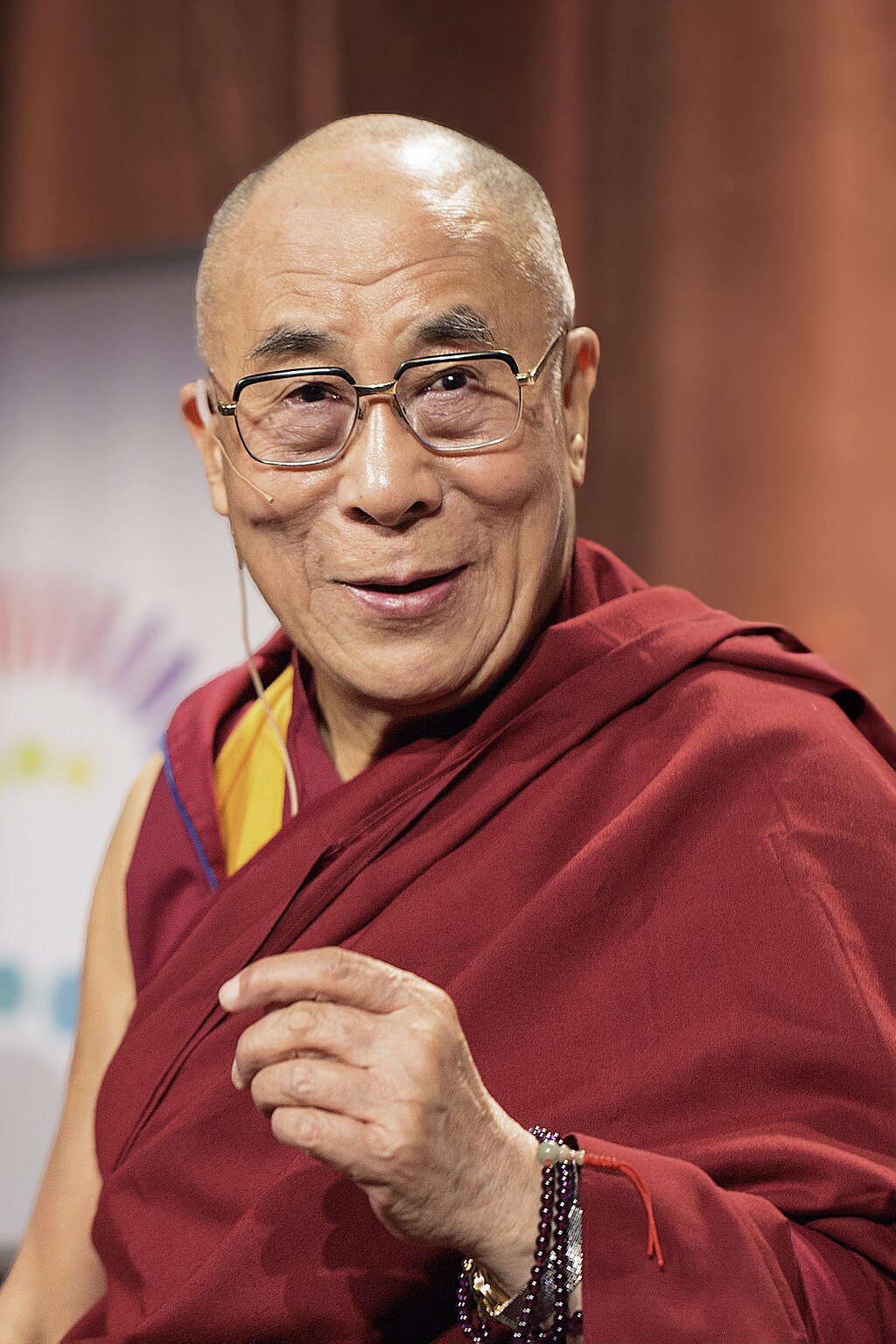
Finding Stillness Amidst the Storm
In the words of the Dalai Lama, "Do not feel disturbed by the chaos around you. Feel the calm within." This poignant reminder invites us to cultivate an inner sanctuary, regardless of the tumult that life may present. In a world often characterized by noise, uncertainty, and rapid change, the ability to maintain a sense of tranquility becomes not just a personal refuge but a profound act of resilience. The stakes are high; our mental and emotional well-being hinges on our capacity to navigate external chaos while nurturing an internal calm.
As we delve deeper into this teaching, we recognize that the Dalai Lama's wisdom is not merely a call to ignore the chaos but rather an invitation to engage with it from a place of centeredness. This perspective challenges us to explore the nature of our responses to external circumstances. Are we merely reactive beings shaped by our surroundings, or can we cultivate a steadfast inner peace that informs our engagement with the world? The journey toward this calmness is both a personal and collective endeavor, one that resonates deeply within the heart of Tibetan Buddhism.
The image / the metaphor
The imagery in the Dalai Lama's quote evokes a powerful contrast between chaos and calm. The term "chaos" conjures feelings of disorder, unpredictability, and anxiety, while "calm" suggests serenity, stability, and clarity. The verbs "feel" and "do not feel disturbed" imply an active choice in how we engage with our experiences. This choice is not about denying the reality of chaos but rather about recognizing our agency in how we respond to it. The calm within is portrayed as a sanctuary, a place we can return to amidst the storm.
Diving deeper into the metaphor, we can envision the mind as a vast ocean. The surface may be turbulent, with waves crashing and storms brewing, yet beneath the surface lies a profound stillness. This stillness is not an escape from reality but a deeper engagement with it. It is a reminder that while we cannot control the external chaos, we can cultivate an inner landscape that remains undisturbed. This metaphor invites us to explore the depths of our consciousness, where calm resides, waiting to be accessed even in the most chaotic of times.
In the speaker's tradition
Within the framework of Tibetan Buddhism, the Dalai Lama's teaching resonates with core concepts such as *shunyata* (emptiness) and *prajna* (wisdom). *Shunyata* teaches us that the chaotic phenomena we encounter are transient and lack inherent existence; they are not as solid as they appear. This understanding allows us to cultivate a sense of detachment from the chaos, recognizing it as part of the ever-changing nature of life. Meanwhile, *prajna* encourages us to develop insight into the nature of our experiences, fostering a calm that arises from wisdom rather than ignorance.
A relevant text that echoes this sentiment is the *Heart Sutra*, which articulates the idea that form is emptiness and emptiness is form. This profound realization invites us to see beyond the chaos of our lives and recognize the interconnectedness of all things. By understanding that chaos is part of a larger tapestry, we can cultivate a calm that is rooted in the wisdom of our shared human experience. The Dalai Lama's teaching thus becomes a practical application of these profound philosophical insights.
Living the teaching
Consider a modern scenario where this teaching can be applied: imagine navigating a hectic workplace filled with deadlines, demanding colleagues, and unexpected challenges. In such an environment, it is easy to become overwhelmed by the chaos, allowing stress and anxiety to dictate our responses. However, by consciously choosing to "feel the calm within," we can create a mental space that allows us to respond thoughtfully rather than react impulsively. This practice of centering ourselves amidst external pressures can lead to more effective communication and decision-making, ultimately transforming our experience of the workplace.
This teaching can also be applied in the realm of personal relationships. During moments of conflict or misunderstanding, it is common to feel the chaos of emotions—anger, frustration, or sadness. By turning inward and accessing our inner calm, we can approach these situations with clarity and compassion. This shift not only benefits our own emotional state but also fosters healthier interactions with others. The ability to remain grounded in our calm allows us to navigate the complexities of relationships with grace and understanding, creating a ripple effect of peace in our interactions.
A reflection
As we reflect on the Dalai Lama's wisdom, we are invited to consider: In what ways can I cultivate a deeper sense of calm within myself, even when faced with external chaos? This question encourages us to explore our personal practices, whether through meditation, mindfulness, or simply taking a moment to breathe amidst the noise of life. By engaging with this inquiry, we can begin to uncover the pathways to inner peace that lie within us, empowering us to navigate the world with greater resilience and clarity.




Join the BrightStar Community
Stay connected with daily inspiration, event announcements, and community wisdom