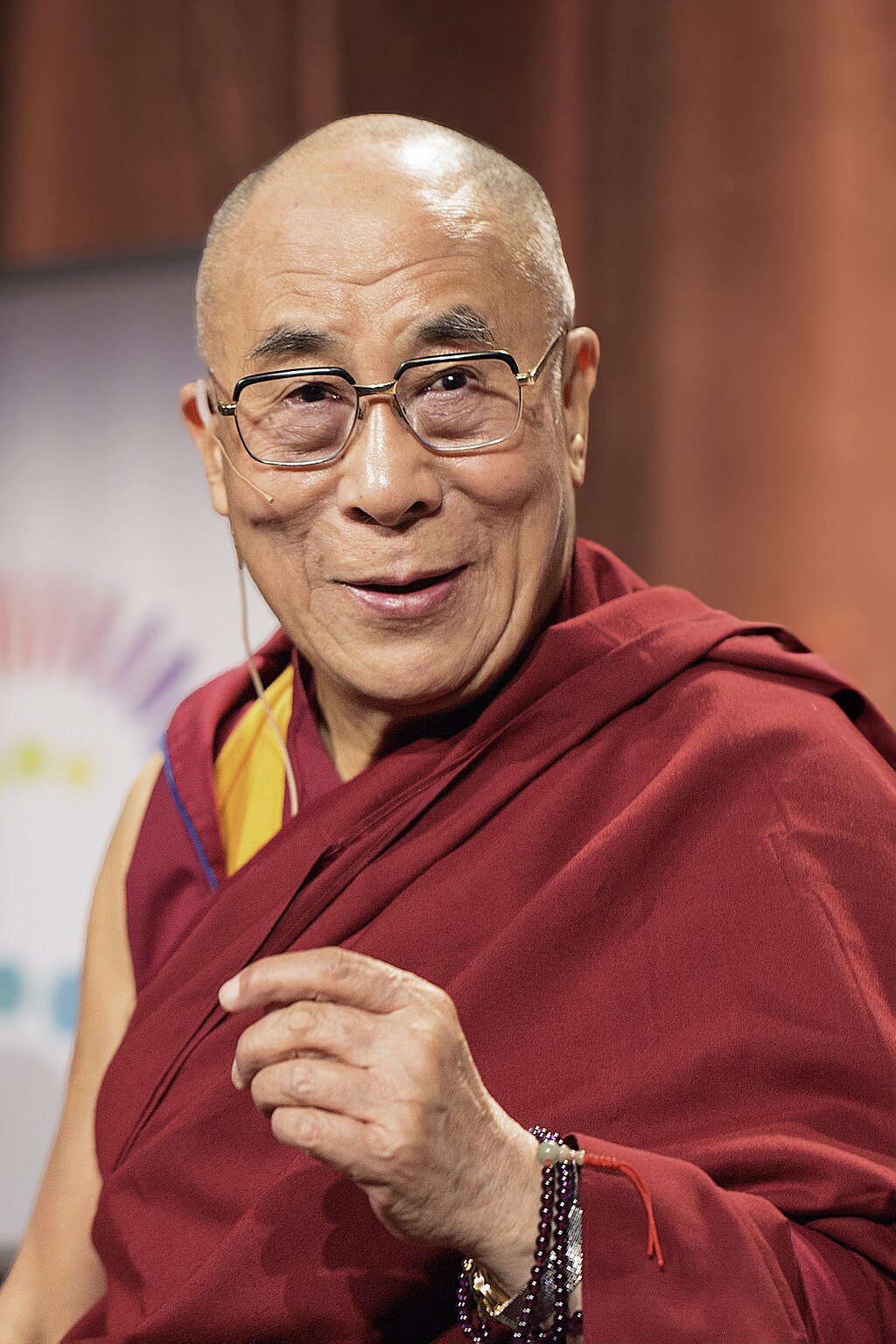
Finding Stillness Amidst the Storm
In the words of the Dalai Lama, "Do not let the behavior of others destroy your inner peace." This profound statement invites us to consider the delicate balance between our internal state and the external world. In a society often characterized by chaos and conflict, the ability to maintain our inner tranquility becomes not just a personal goal but a vital necessity for our well-being. The stakes are high; our peace of mind can easily be compromised by the actions and attitudes of those around us, leading to a cycle of distress and turmoil.
Moreover, this teaching emphasizes the importance of personal responsibility in cultivating inner peace. It suggests that while we cannot control the behavior of others, we can control our reactions to it. This notion is particularly relevant in today's interconnected world, where social media and constant communication can amplify negativity and discord. By recognizing that our peace is a sanctuary that we must protect, we empower ourselves to navigate life's challenges with grace and resilience.
The image / the metaphor
The imagery in the Dalai Lama's quote evokes a sense of sanctuary, a personal oasis of calm that exists within each of us. The verbs "let" and "destroy" highlight the active choice we face: to allow external influences to penetrate our inner world or to guard it fiercely. This metaphor of inner peace as a fragile yet precious entity invites us to visualize our emotional landscape as a serene lake, easily disturbed by the ripples of others' actions. When we allow these ripples to escalate into waves, we risk drowning in the tumult of external chaos.
Diving deeper into this metaphor, we can see that inner peace is not merely the absence of disturbance but a cultivated state of being. It requires intention and practice, much like tending to a garden. Just as a gardener must protect their plants from weeds and pests, we must shield our inner tranquility from the negativity that others may project. This protective stance does not imply isolation or indifference; rather, it encourages us to engage with the world while remaining anchored in our own sense of peace.
In the speaker's tradition
Within the framework of Tibetan Buddhism, the Dalai Lama's teaching resonates with the concept of *shunyata*, or emptiness, which emphasizes the interdependent nature of all phenomena. This understanding allows us to recognize that the behaviors of others are not inherently personal; they arise from their own suffering and conditioning. By cultivating *prajna*, or wisdom, we can see beyond the surface of others' actions and maintain our equanimity, understanding that their behavior is a reflection of their own inner turmoil rather than a direct threat to our peace.
This teaching also aligns with the practice of *metta*, or loving-kindness, which encourages us to respond to others with compassion rather than reactivity. In the *Bodhisattva's Way of Life*, Shantideva writes about the importance of cultivating a heart that remains unaffected by the negativity of others. By embodying these principles, we can create a buffer against the disturbances that life inevitably brings, allowing us to remain steadfast in our pursuit of inner peace.
Living the teaching
Consider a modern scenario where this teaching can be applied: imagine a workplace filled with tension and competition. A colleague may engage in gossip or undermine others to elevate their own status. In such an environment, it can be all too easy to become entangled in the negativity, allowing it to disrupt our focus and peace of mind. However, by consciously choosing not to let their behavior dictate our emotional state, we can maintain our composure and continue to work towards our goals with integrity and clarity.
Another application of this teaching might arise in personal relationships, particularly during conflicts. When a loved one reacts with anger or frustration, it can trigger our own defensive responses. Yet, if we remember the Dalai Lama's wisdom, we can pause and choose to respond with understanding rather than retaliation. This practice not only preserves our inner peace but also fosters a more constructive dialogue, allowing for healing and connection rather than further discord.
A reflection
As we contemplate the Dalai Lama's profound insight, we might ask ourselves: "In what ways do I allow the actions of others to disturb my inner peace?" This question invites us to reflect on our emotional responses and the patterns we may have developed in reaction to external stimuli. By examining these patterns, we can begin to cultivate a deeper awareness of our inner landscape, empowering ourselves to protect our peace amidst the inevitable challenges of life.




Join the BrightStar Community
Stay connected with daily inspiration, event announcements, and community wisdom