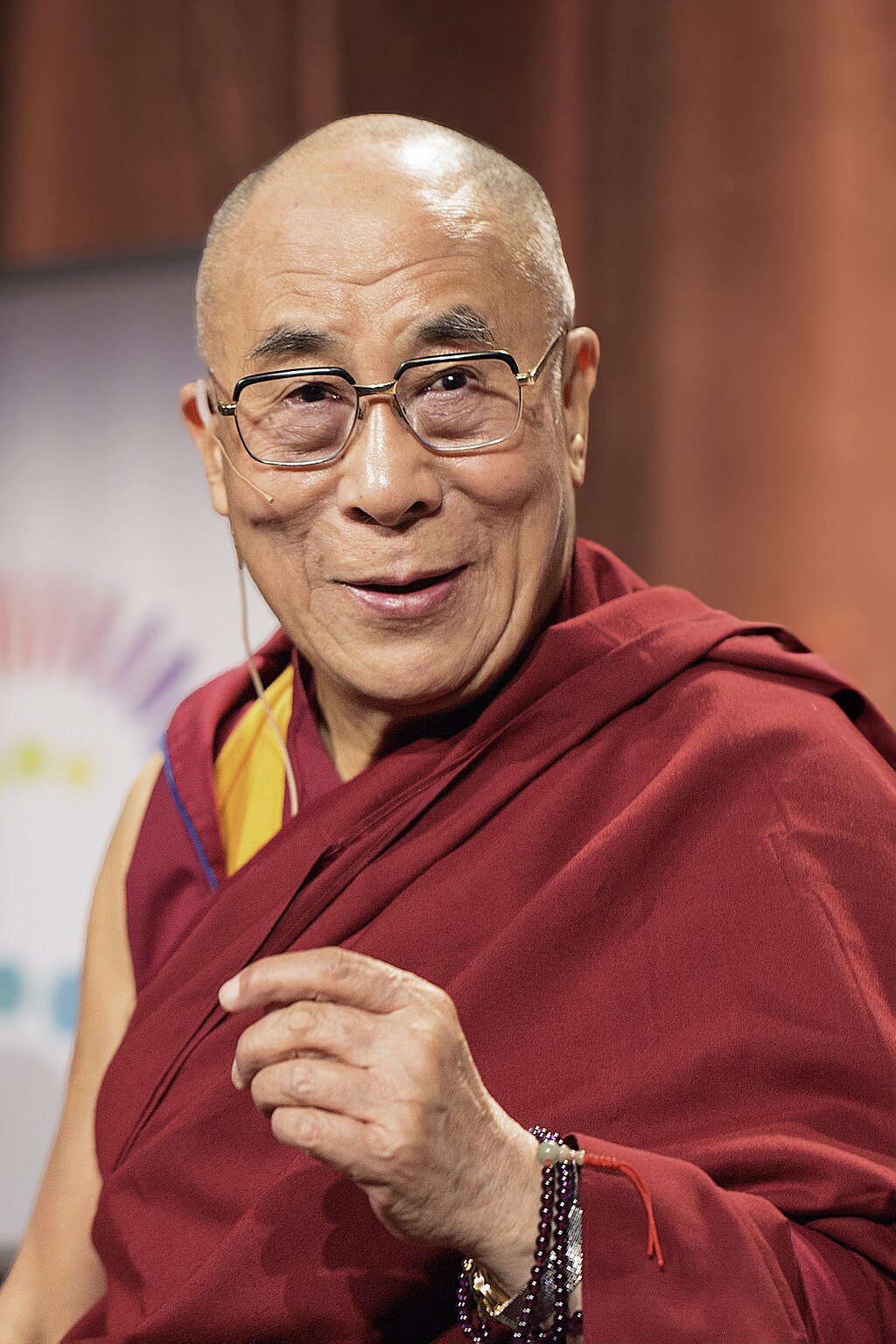
The Roots of Peace: A Journey Within
In the profound words of the Dalai Lama, "Inner peace is the foundation of world peace." This assertion invites us to consider the intricate relationship between our internal states and the broader world around us. The stakes are high; in a time marked by conflict and division, the quest for peace often seems elusive. Yet, the Dalai Lama's wisdom suggests that the journey towards global harmony begins not in the external world but within our own hearts and minds.
To delve deeper, we must recognize that inner peace is not merely a personal luxury but a vital necessity for collective well-being. It is a state of being that fosters compassion, understanding, and connection with others. When we cultivate tranquility within ourselves, we create a ripple effect that can influence our relationships, communities, and ultimately, the world. This notion challenges us to reflect on our own inner landscapes and the ways they shape our interactions with the world at large.
The image / the metaphor
The imagery in the Dalai Lama's quote evokes a sense of foundational stability. Just as a building requires a solid base to stand tall, so too does the concept of world peace rely on the strength of individual inner peace. The choice of the word "foundation" suggests that without this inner stability, any attempts at achieving peace on a larger scale may be precarious and short-lived. The verbs chosen—"is"—indicate a state of being, emphasizing that inner peace is not just a goal but a necessary condition for the flourishing of peace in the world.
Diving deeper into the metaphor, we can envision inner peace as a wellspring from which the waters of compassion and understanding flow. When we nurture this inner reservoir, we are better equipped to respond to the challenges of life with grace and empathy. The metaphor of a foundation also implies that inner peace is built over time, requiring patience, practice, and dedication. It is a reminder that the journey towards peace is not a destination but a continuous process of growth and self-discovery.
In the speaker's tradition
Within the framework of Tibetan Buddhism, the Dalai Lama's assertion resonates deeply with core concepts such as *dharma* and *sunyata*. *Dharma*, or the teachings of the Buddha, emphasizes the importance of understanding the nature of suffering and the path to liberation. This understanding fosters a sense of inner peace that is essential for cultivating compassion towards others. Similarly, *sunyata*, or emptiness, invites us to recognize the interconnectedness of all beings, suggesting that our inner states are intrinsically linked to the collective experience of humanity.
A relevant text that echoes this sentiment is the *Bodhicaryavatara* by Shantideva, which teaches that the cultivation of inner peace and compassion is essential for the attainment of enlightenment. Shantideva writes, "If you want to be happy, practice compassion; if you want others to be happy, practice compassion." This interdependence between personal peace and the well-being of others reinforces the Dalai Lama's assertion that true peace begins within.
Living the teaching
Consider a modern scenario where this teaching finds resonance: a workplace fraught with tension and competition. In such an environment, individuals often find themselves reacting defensively, perpetuating a cycle of conflict. However, if one person chooses to cultivate inner peace through mindfulness practices, such as meditation or deep breathing, they can shift the dynamics of the workplace. Their calm presence may inspire others to respond with greater empathy and understanding, ultimately transforming the atmosphere into one of collaboration and support.
Another application of this teaching can be found in personal relationships, particularly during moments of conflict. Imagine a disagreement with a loved one that escalates into hurtful exchanges. By taking a step back and grounding oneself in inner peace—perhaps through reflective practices or simply taking a moment to breathe—one can approach the situation with a clearer mind and a more compassionate heart. This shift not only aids in resolving the conflict but also strengthens the bond between individuals, illustrating how inner peace can lead to harmonious relationships.
A reflection
As we contemplate the Dalai Lama's profound insight, we are invited to ask ourselves: How can I cultivate inner peace in my own life, and how might that influence my interactions with others? This question serves as a guiding light, encouraging us to explore the depths of our own hearts and the ways we can contribute to a more peaceful world. By embracing this journey inward, we may discover that the path to global harmony begins with the simple yet profound act of nurturing peace within ourselves.




Join the BrightStar Community
Stay connected with daily inspiration, event announcements, and community wisdom