The Ripple Effect of Compassionate Action
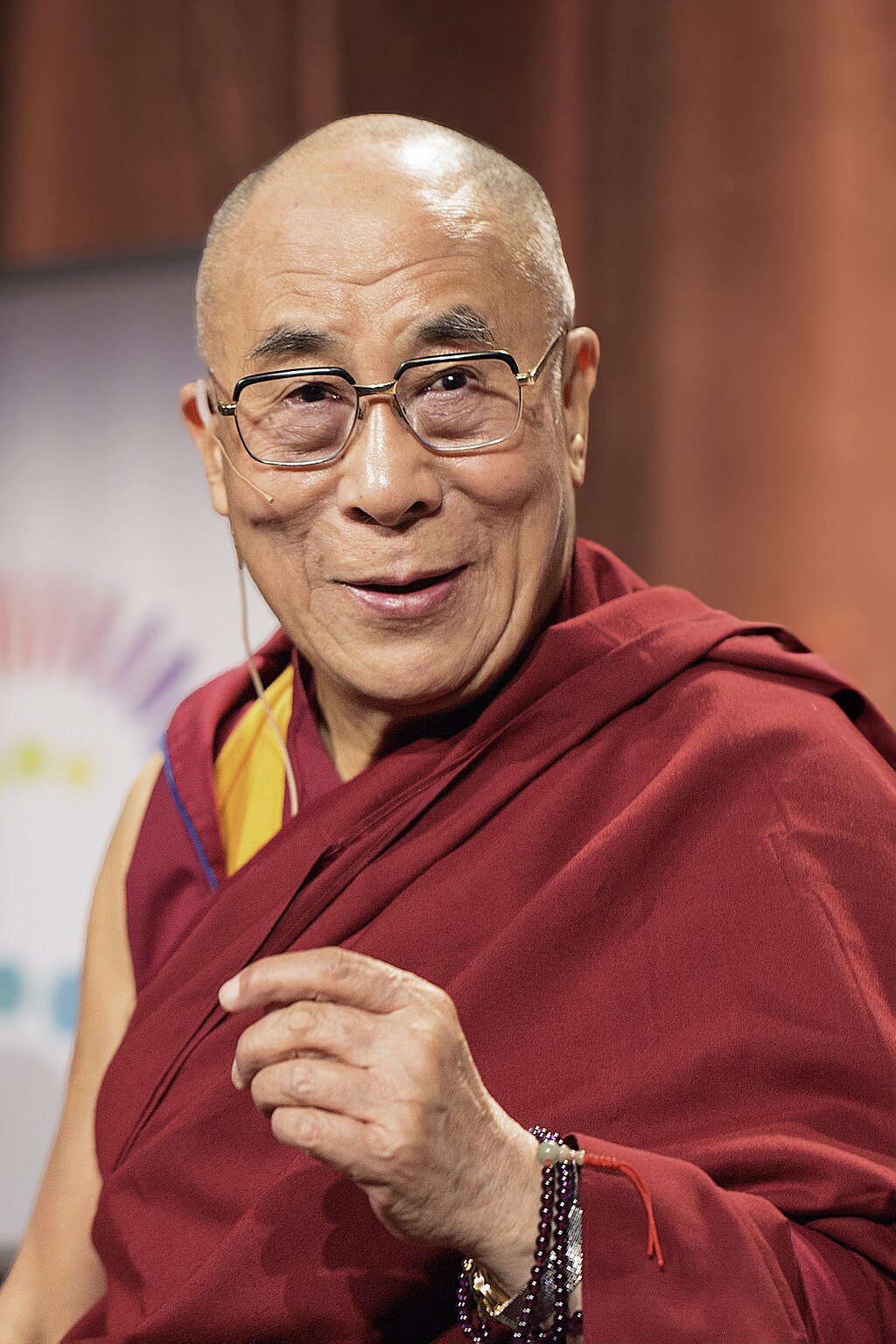
In the words of the Dalai Lama, "Just as ripples spread out when a single pebble is dropped into water, the actions of individuals can have far-reaching effects." This profound observation invites us to consider the interconnectedness of our actions and the potential they hold to influence the world around us. Each choice we make, however small, can create a cascade of effects that extend far beyond our immediate surroundings. Understanding this ripple effect is crucial in a world often characterized by disconnection and isolation.
As we navigate our daily lives, it becomes increasingly important to recognize that our actions are not isolated events; they are part of a larger tapestry of existence. The Dalai Lama's metaphor encourages us to reflect on the weight of our decisions and the moral responsibility that accompanies them. In a society that often prioritizes individualism, this teaching serves as a gentle reminder of our shared humanity and the collective impact we can have when we act with intention and compassion.
The image / the metaphor
The imagery of a pebble dropped into water evokes a sense of simplicity and clarity. The act itself is unassuming, yet the ripples that emanate from it are expansive and far-reaching. This choice of metaphor highlights the dynamic nature of our actions; they are not static but rather initiate a series of movements that can influence the environment and those around us. The verbs "spread out" and "dropped" suggest both agency and consequence, emphasizing that while we may initiate an action, its effects can transcend our original intent.
Diving deeper into this metaphor, we can see how it encapsulates the essence of interdependence, a core principle in Tibetan Buddhism. Just as the ripples interact with the water's surface, our actions resonate within the interconnected web of life. Each ripple can touch another, creating a chain reaction that can lead to unexpected outcomes. This understanding invites us to approach our actions with mindfulness, recognizing that even the smallest gesture can contribute to a larger movement toward compassion and understanding.
In the speaker's tradition
Within the context of Tibetan Buddhism, the Dalai Lama's teaching resonates with the concept of "karma," which refers to the law of cause and effect. Every action we take generates a response, shaping our experiences and the world around us. This principle encourages us to act with awareness and compassion, understanding that our choices can either contribute to suffering or alleviate it. The notion of "sunyata," or emptiness, further complements this teaching by reminding us that our actions are not inherently fixed; they are fluid and can be transformed through intention and mindfulness.
A relevant text that echoes this sentiment is the "Bodhicaryavatara" by Shantideva, which emphasizes the importance of altruistic actions and their capacity to benefit all sentient beings. Shantideva writes about the profound impact of cultivating compassion, illustrating how one person's commitment to kindness can inspire others and create a ripple effect of positive change. This interconnectedness is a cornerstone of the Dalai Lama's message, urging us to recognize our role in the collective journey toward enlightenment and compassion.
Living the teaching
Consider a modern scenario where this teaching can be applied: a simple act of kindness, such as holding the door open for a stranger or offering a smile to someone in distress. These small gestures may seem inconsequential, yet they can profoundly affect the recipient's day, potentially inspiring them to pay it forward. In this way, the initial action creates a ripple that extends beyond the moment, fostering a culture of kindness and connection in our communities.
A reflection
As we contemplate the Dalai Lama's words, we are invited to reflect on the nature of our actions and their potential impact. What ripples are we creating in our daily lives, and how can we cultivate a deeper awareness of the interconnectedness of our choices? This question encourages us to engage in a practice of mindfulness, allowing us to approach each moment with intention and compassion, ultimately contributing to a more harmonious world.




Join the BrightStar Community
Stay connected with daily inspiration, event announcements, and community wisdom