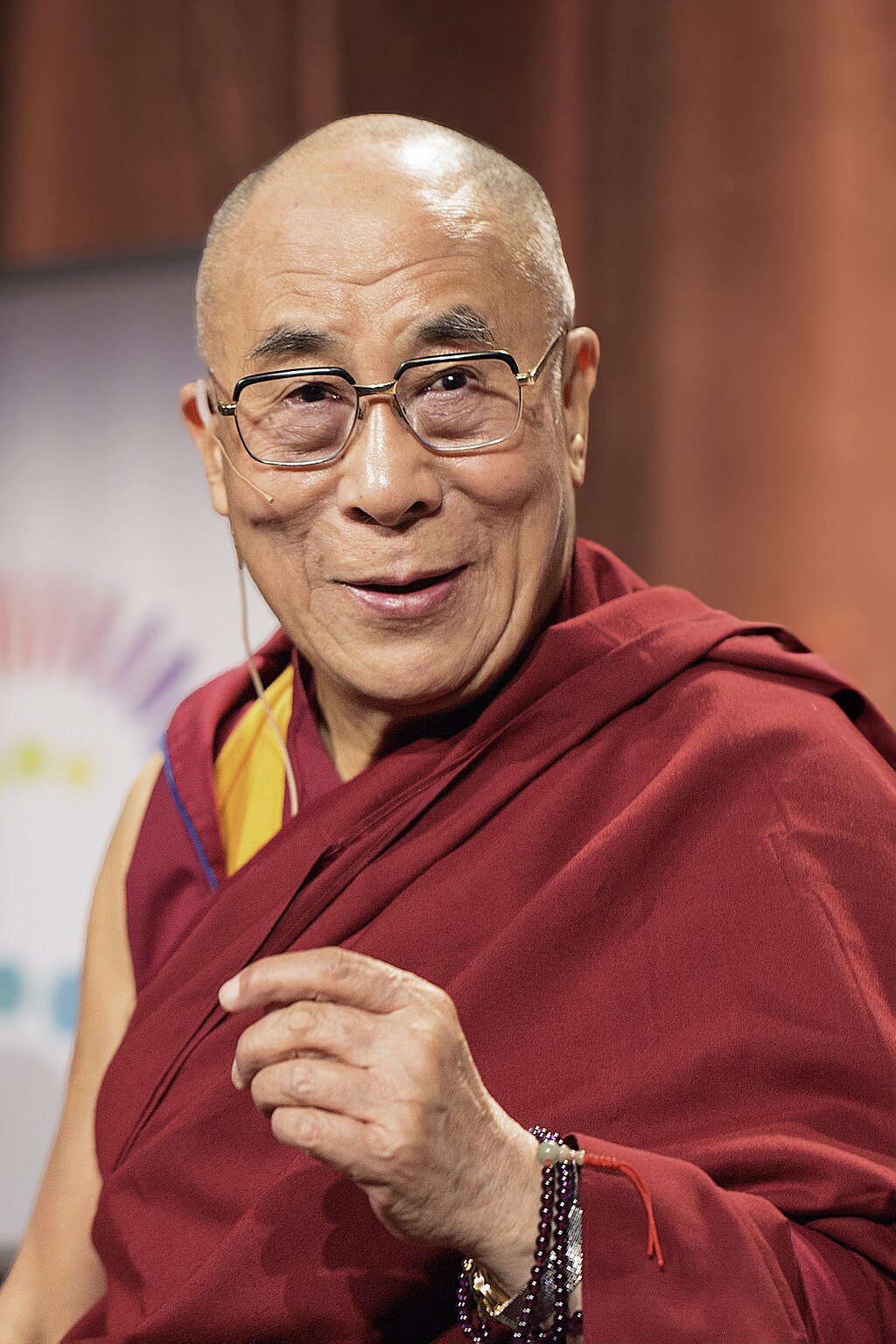
The Simple Power of Kindness
In the words of the Dalai Lama, "My religion is very simple. My religion is kindness." This profound statement distills the essence of spiritual practice into a single, accessible principle. In a world often fraught with division and complexity, the Dalai Lama invites us to consider kindness not merely as an act, but as a foundational aspect of our spiritual lives. This perspective challenges us to reflect on the nature of our beliefs and the ways we engage with one another, suggesting that true spirituality is rooted in the simple yet transformative act of being kind.
To embrace kindness as a form of religion is to recognize its power to transcend cultural and doctrinal boundaries. The Dalai Lama's assertion encourages us to strip away the layers of dogma that often complicate our understanding of spirituality. Instead, he offers a vision of a world where kindness serves as a unifying force, a common thread that connects us all. This simplicity is not a dismissal of the complexities of life; rather, it is an invitation to ground ourselves in the fundamental human experience of compassion and empathy.
The image / the metaphor
The imagery in the Dalai Lama's quote is striking in its clarity. By describing kindness as his religion, he evokes a sense of warmth and openness, suggesting that spirituality need not be cloaked in rituals or doctrines. The verb "is" indicates a state of being, emphasizing that kindness is not just an action but an intrinsic part of one's identity. This notion invites us to consider how we embody kindness in our daily lives, transforming it from a mere concept into a lived reality.
Diving deeper into the metaphor, we can see that kindness serves as a lens through which we can view our interactions with others. It suggests a way of being that is both active and passive; it is the act of reaching out to others while also cultivating an inner disposition of goodwill. This duality reflects the interconnectedness of all beings, a central tenet in Tibetan Buddhism, where the welfare of others is seen as inextricably linked to our own happiness and fulfillment.
In the speaker's tradition
Within the framework of Tibetan Buddhism, the Dalai Lama's emphasis on kindness resonates deeply with the concept of "karuna," or compassion. This principle teaches that true understanding of one's own suffering leads to a profound empathy for the suffering of others. The practice of kindness, therefore, is not just a moral obligation but a spiritual necessity, aligning with the Buddhist path of cultivating wisdom (prajna) and compassion in tandem. The simplicity of kindness becomes a powerful tool for realizing the interconnectedness of all life, a core teaching in the dharma.
Moreover, the Dalai Lama's perspective can be illuminated through the teachings found in the "Bodhisattva Vow," where practitioners commit to achieving enlightenment for the sake of all sentient beings. This vow embodies the essence of kindness, as it calls for selfless action aimed at alleviating the suffering of others. In this light, kindness is not merely a personal virtue but a collective responsibility, urging us to act with compassion in every facet of our lives.
Living the teaching
Consider a modern scenario where the teaching of kindness can be applied: a busy urban environment where individuals often rush past one another, absorbed in their own lives. In such a setting, a simple act of kindness—holding the door open for someone, offering a smile, or even engaging in a brief conversation—can create ripples of connection. These small gestures, while seemingly insignificant, have the potential to transform the atmosphere, fostering a sense of community and shared humanity amidst the hustle and bustle of daily life.
A reflection
As we contemplate the Dalai Lama's assertion that kindness is his religion, we are invited to reflect on our own lives. How can we cultivate a deeper sense of kindness in our daily interactions? What small changes can we make to embody this principle more fully? These questions encourage us to explore the transformative power of kindness, both within ourselves and in our relationships with others, reminding us that even the simplest acts can lead to profound spiritual growth.




Join the BrightStar Community
Stay connected with daily inspiration, event announcements, and community wisdom