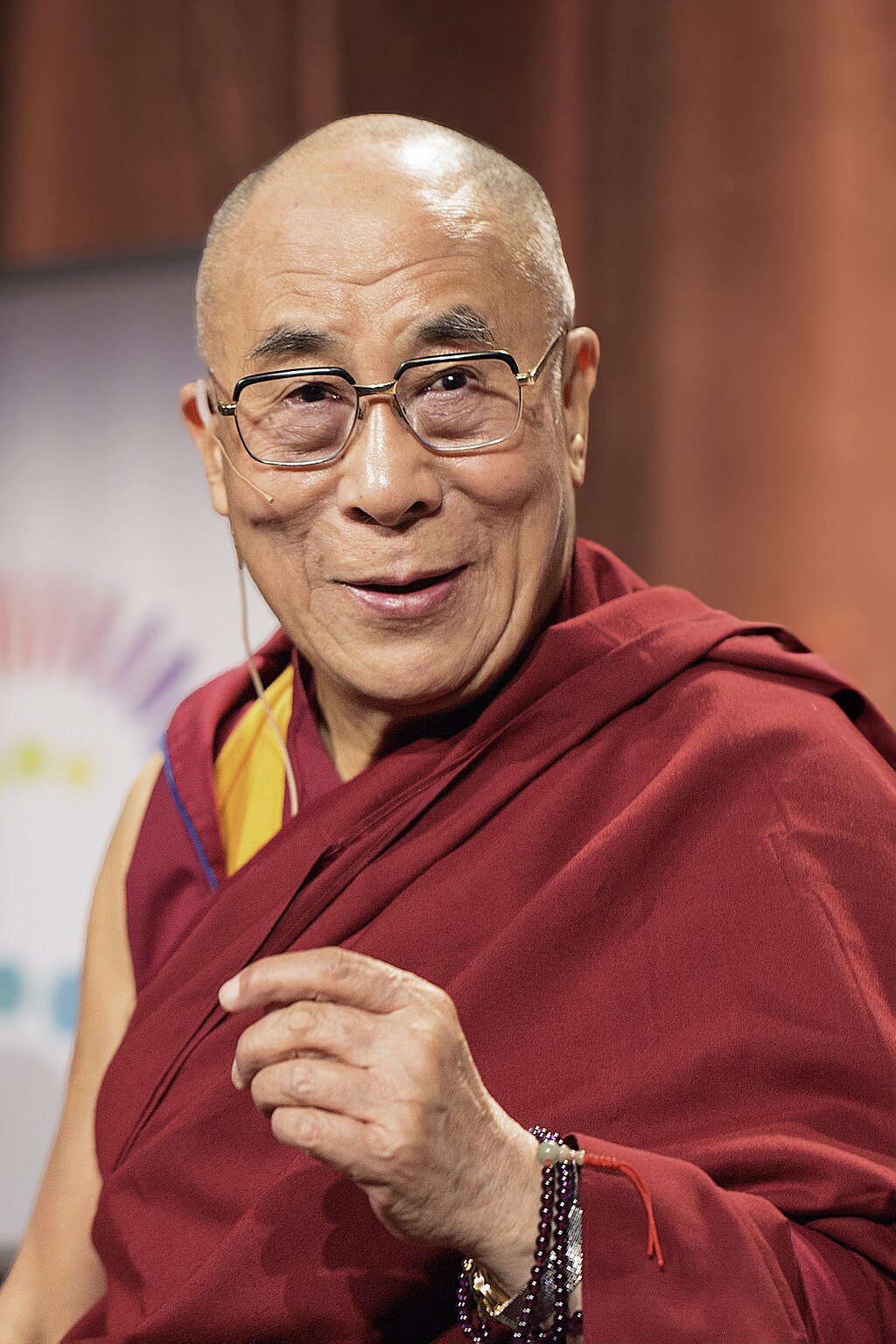
Embracing Peace: The Weight of Negative Emotions
In the words of the Dalai Lama, "Negative emotions destroy our peace." This profound statement invites us to reflect on the intricate relationship between our emotional landscape and our inner tranquility. The stakes are high; in a world rife with stress and turmoil, understanding how our emotions can disrupt our peace is essential for cultivating a harmonious life. The Dalai Lama's insight serves as a gentle reminder that our emotional states are not merely fleeting feelings but powerful forces that shape our experience of reality.
Delving deeper, we recognize that negative emotions—such as anger, jealousy, and fear—can act like storms that cloud our judgment and obscure our sense of well-being. These emotions often arise from attachments and aversions, leading us to a state of discontent that can feel inescapable. The Dalai Lama's teaching encourages us to examine these emotions not as inherent parts of ourselves but as transient experiences that can be understood, transformed, and ultimately released. By doing so, we can reclaim our peace and navigate life with greater clarity and compassion.
The image / the metaphor
The imagery in the Dalai Lama's quote evokes a sense of destruction, suggesting that negative emotions are akin to a tempest that ravages a serene landscape. The verb "destroy" carries a weight that compels us to consider the consequences of allowing such emotions to dominate our lives. Just as a storm can uproot trees and scatter debris, negative emotions can disrupt our mental and emotional equilibrium, leaving us feeling fragmented and unsettled. This vivid metaphor serves as a powerful reminder of the fragility of our inner peace.
In the speaker's tradition
Within the rich tapestry of Tibetan Buddhism, the Dalai Lama's teaching resonates with key concepts such as *dharma* and *sunyata*. *Dharma*, often translated as the path of righteousness or cosmic law, emphasizes the importance of understanding the nature of our thoughts and emotions. By recognizing that negative emotions are rooted in ignorance and attachment, we can begin to align ourselves with the *dharma*, fostering a deeper sense of peace. Similarly, the concept of *sunyata*, or emptiness, invites us to see that our emotional states are not fixed but rather fluid and impermanent, allowing us to cultivate a more expansive view of our experiences.
In the *Bodhicaryavatara*, a foundational text in Mahayana Buddhism, Shantideva writes about the importance of cultivating compassion and wisdom as antidotes to negative emotions. He emphasizes that by recognizing the interconnectedness of all beings, we can transcend our personal grievances and foster a sense of peace that is rooted in love and understanding. This aligns beautifully with the Dalai Lama's assertion that negative emotions disrupt our peace, as it highlights the transformative power of compassion in overcoming our emotional turmoil.
Living the teaching
Consider a modern scenario where the Dalai Lama's teaching on negative emotions can be applied: a workplace filled with stress and competition. Imagine a colleague who consistently undermines your efforts, triggering feelings of resentment and frustration. In this situation, the negative emotions that arise can cloud your judgment and lead to a toxic atmosphere. By recognizing these feelings as destructive forces, you can choose to respond with compassion rather than retaliation, fostering a more harmonious work environment and preserving your inner peace.
Another application of this teaching can be found in personal relationships. Picture a moment of conflict with a loved one, where anger and hurt feelings threaten to escalate into a deeper rift. By acknowledging the negative emotions at play and choosing to communicate openly and compassionately, you can transform the situation. This practice not only helps to resolve the conflict but also reinforces the idea that peace is a conscious choice, one that requires mindfulness and a willingness to engage with our emotions constructively.
A reflection
As we contemplate the Dalai Lama's assertion that "Negative emotions destroy our peace," we are invited to engage in a deeper inquiry about our emotional lives. What negative emotions do you find yourself clinging to, and how do they impact your sense of peace? Reflecting on this question can illuminate the pathways toward emotional freedom and inner tranquility, guiding us toward a more harmonious existence.




Join the BrightStar Community
Stay connected with daily inspiration, event announcements, and community wisdom