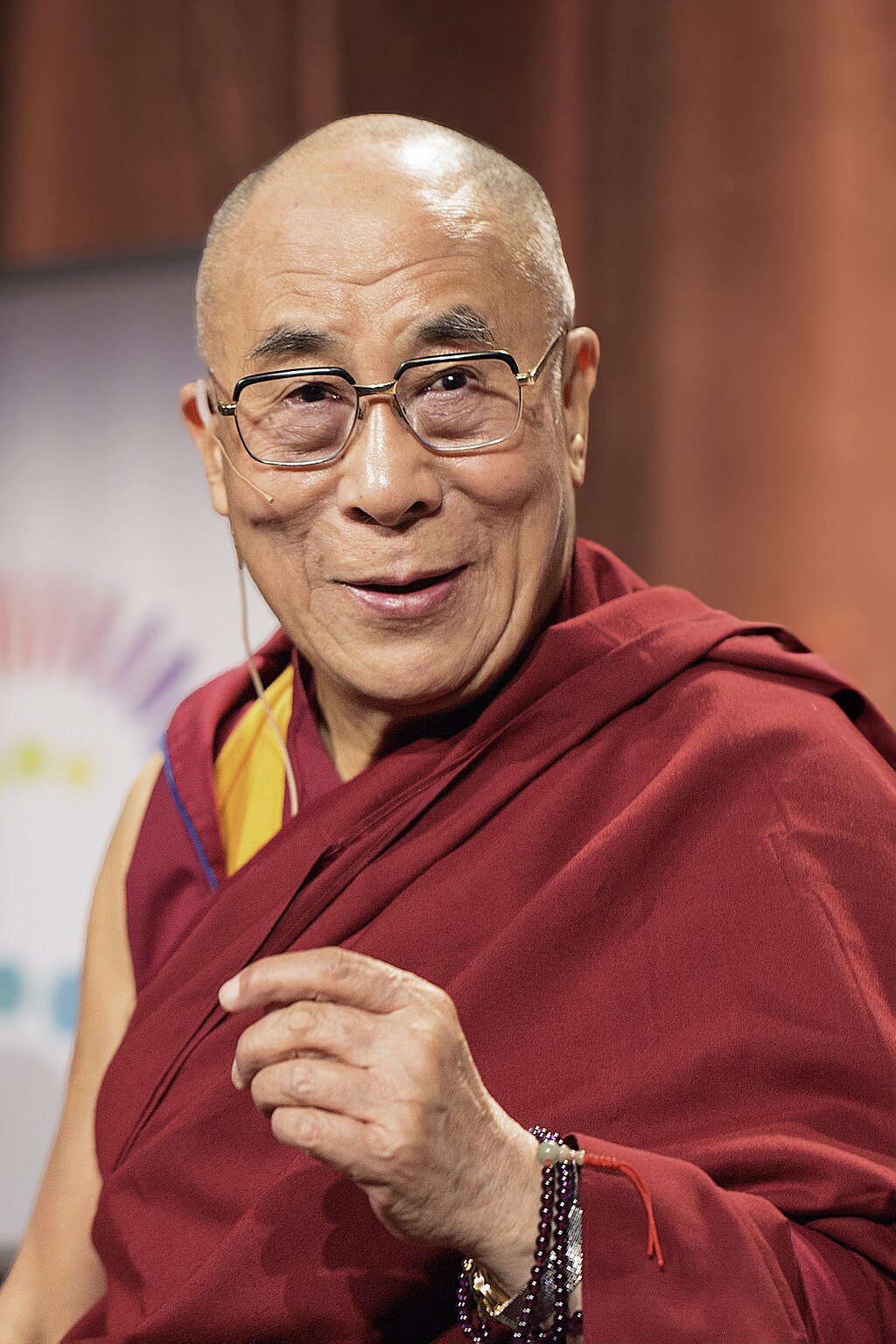
The Heart as Our Sacred Space
In the words of the Dalai Lama, "There is no need for temples. No need for complicated philosophy. Our own brain, our own heart is our temple." This profound statement invites us to reconsider the nature of spirituality and the places we seek for connection and understanding. It emphasizes that the essence of our spiritual journey lies not in external structures or intricate doctrines, but within ourselves. This perspective is particularly significant in a world often preoccupied with materialism and external validation, reminding us that true sanctuary resides in our own consciousness and emotional landscape.
By asserting that our brain and heart serve as our temple, the Dalai Lama encourages a return to simplicity in our spiritual practices. In a society that frequently complicates the search for meaning with elaborate rituals and dogmas, this teaching serves as a gentle nudge toward introspection and self-awareness. It invites us to cultivate a direct relationship with our inner selves, fostering a sense of peace and understanding that transcends the need for external validation or elaborate philosophical constructs. This simplicity is not a rejection of tradition but rather an invitation to embody the essence of those teachings within our own lives.
The image / the metaphor
The imagery within the Dalai Lama's quote is striking in its clarity and accessibility. By likening our brain and heart to a temple, he evokes a sense of sacredness that is inherently personal and intimate. Temples are traditionally spaces of worship, reflection, and community, yet here, the Dalai Lama suggests that such sanctity can be found within ourselves. The verbs "need" and "is" imply a direct and immediate relationship; we do not have to seek far and wide for our spiritual home, as it is already present within us, waiting to be acknowledged and nurtured.
In the speaker's tradition
Within the context of Tibetan Buddhism, the Dalai Lama's assertion resonates deeply with core concepts such as *dharma* and *prajna*. *Dharma*, often translated as the teachings of the Buddha, emphasizes the importance of understanding the nature of reality and our place within it. However, the Dalai Lama's message suggests that the essence of *dharma* is not confined to texts or teachings but is accessible through our own inner experience. Similarly, *prajna*, or wisdom, is not merely an intellectual pursuit but a profound understanding that arises from within when we cultivate mindfulness and compassion.
Moreover, this teaching echoes the Buddhist concept of *sunyata*, or emptiness, which invites us to recognize that our perceptions and attachments often cloud our understanding of reality. By turning inward, we can begin to see through these illusions and connect with the essence of who we are. In this light, the Dalai Lama's words serve as a reminder that the path to enlightenment is not solely found in external practices but is also deeply rooted in our inner landscape, where the heart and mind converge.
Living the teaching
Consider a modern scenario where this teaching can be applied: a person facing overwhelming stress from work and personal obligations. In such moments, it is easy to feel disconnected from oneself, seeking solace in external distractions or validation. However, by turning inward and recognizing that their brain and heart are their temple, this individual can find a refuge within. Through practices such as meditation or mindful breathing, they can reconnect with their inner sanctuary, allowing them to cultivate a sense of calm and clarity amidst the chaos of daily life.
In relationships, this teaching can manifest in profound ways. Imagine a couple navigating a difficult conversation, where emotions run high and misunderstandings abound. By remembering that their hearts are temples, they can approach the dialogue with compassion and vulnerability, allowing for deeper connection and understanding. Instead of resorting to defensiveness or blame, they can create a sacred space for honest expression and empathy, transforming the interaction into an opportunity for growth and healing.
A reflection
As we contemplate the Dalai Lama's words, we are invited to explore the nature of our own inner sanctuary. What does it mean for you to consider your brain and heart as your temple? In what ways can you cultivate this sacred space within yourself, allowing it to guide your actions and interactions? Reflecting on these questions can deepen our understanding of spirituality as a personal journey, one that is both simple and profound, rooted in the essence of who we are.




Join the BrightStar Community
Stay connected with daily inspiration, event announcements, and community wisdom