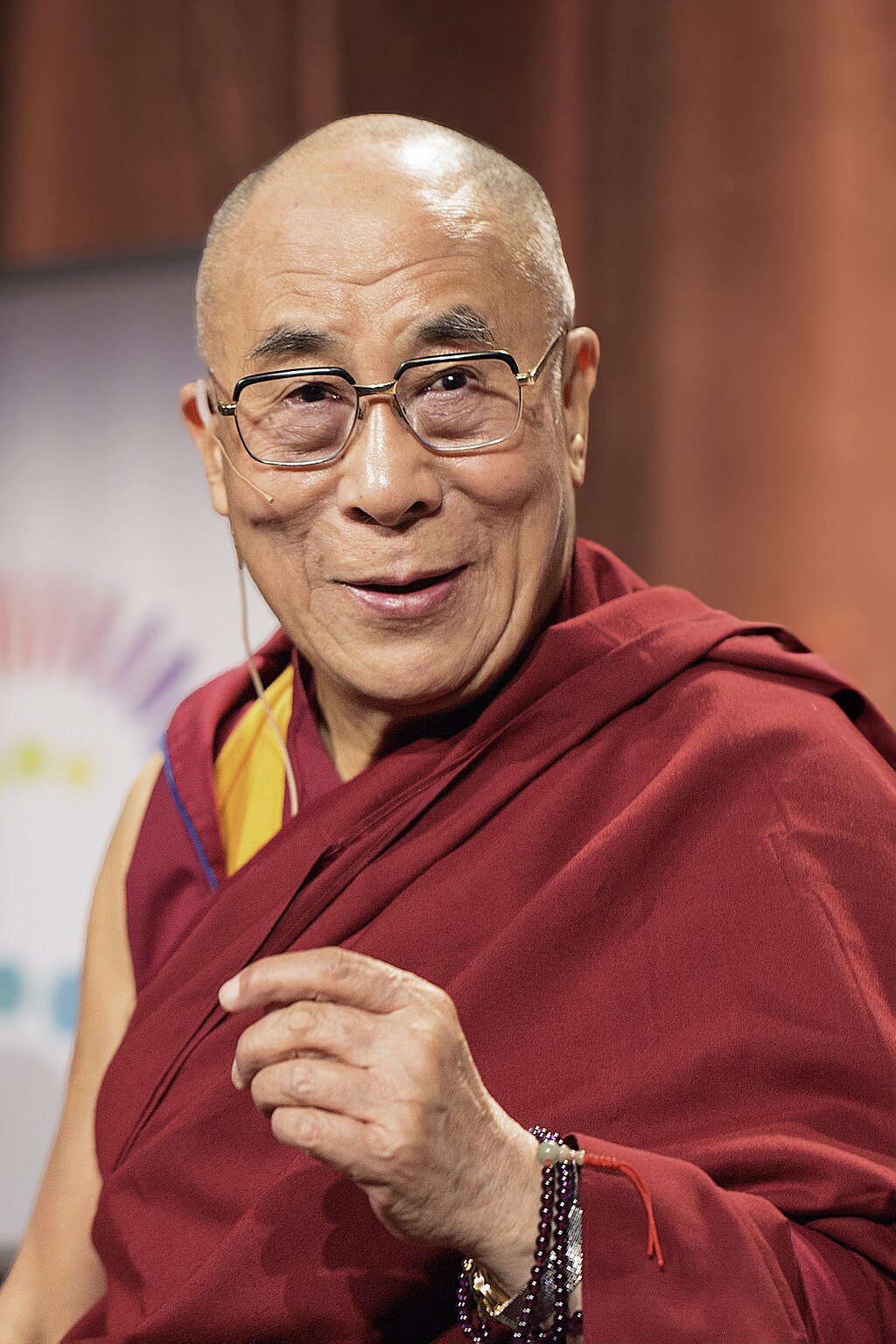
The Temple Within: Embracing Kindness as Spiritual Practice
In the words of the Dalai Lama, "This is my simple religion. There is no need for temples; no need for complicated philosophy. Our own brain, our own heart is our temple; the philosophy is kindness." This profound statement invites us to reconsider the foundations of our spiritual lives, suggesting that the essence of faith does not reside in grand structures or intricate doctrines, but rather within the very core of our being. It emphasizes the importance of simplicity and the transformative power of kindness, urging us to cultivate these qualities in our everyday interactions. In a world often characterized by complexity and division, this message resonates deeply, reminding us of the innate capacity for compassion that resides within us all.
As we delve deeper into this quote, we uncover layers of meaning that challenge conventional notions of spirituality. The Dalai Lama's assertion that our brain and heart serve as our temple suggests a radical shift from external to internal sources of wisdom and guidance. It invites us to recognize that the essence of our spiritual journey lies not in external validation or elaborate rituals, but in the authenticity of our thoughts and feelings. By prioritizing kindness as the guiding philosophy of our lives, we are encouraged to forge connections that transcend superficial differences, fostering a sense of unity and understanding in a fragmented world.
The image / the metaphor
The imagery in the Dalai Lama's quote is strikingly intimate and personal. By referring to our brain and heart as temples, he evokes a sense of sacredness that is accessible to everyone, regardless of their background or beliefs. The verbs "is" and "are" imply a state of being, suggesting that the temple of our spirituality is not a distant ideal but a present reality. This metaphor invites us to explore the inner sanctum of our own consciousness, where thoughts and emotions intertwine, and where the practice of kindness can flourish.
Diving deeper into this metaphor, we can see that the temple represents a space of refuge and contemplation. It is a sanctuary where we can connect with our true selves and cultivate the qualities that define our humanity. The Dalai Lama's emphasis on kindness as the underlying philosophy further enriches this image, suggesting that the heart's capacity for compassion is the very foundation of our spiritual practice. In this light, kindness becomes not merely an action but a way of being, a lens through which we perceive and engage with the world around us.
In the speaker's tradition
Within the context of Tibetan Buddhism, the Dalai Lama's perspective aligns closely with core concepts such as compassion (karuna) and wisdom (prajna). These principles are foundational to the practice of dharma, which emphasizes the importance of ethical conduct and the cultivation of a compassionate heart. The idea that our brain and heart serve as temples resonates with the Buddhist understanding of sunyata, or emptiness, which teaches that our perceptions and attachments shape our experience of reality. By recognizing the inherent potential within ourselves, we can transcend the limitations imposed by external circumstances and cultivate a deeper connection to the world.
A relevant text that echoes this sentiment is the "Bodhisattva Vow," which articulates the commitment to attain enlightenment for the sake of all beings. This vow embodies the essence of kindness as a guiding principle, urging practitioners to cultivate compassion in their thoughts, words, and actions. The Dalai Lama's assertion that kindness is the philosophy of our spiritual practice aligns seamlessly with this commitment, reminding us that the path to awakening is paved with acts of love and understanding.
Living the teaching
Consider a modern scenario where the Dalai Lama's teaching can be applied: a busy workplace where stress and competition often overshadow collaboration and empathy. In such an environment, the practice of kindness can serve as a transformative force. By consciously choosing to approach colleagues with understanding and compassion, we create a ripple effect that fosters a more supportive atmosphere. Simple gestures, such as offering a listening ear or expressing gratitude, can shift the dynamics of the workplace, reminding us that our interactions are opportunities for spiritual growth.
In a more personal context, imagine navigating a difficult conversation with a loved one. The Dalai Lama's emphasis on kindness encourages us to approach these moments with an open heart, prioritizing understanding over defensiveness. By embodying the philosophy of kindness, we can create a space for healing and connection, allowing both parties to express their feelings without fear of judgment. This practice not only strengthens relationships but also deepens our own spiritual journey, as we learn to embody the very essence of compassion in our daily lives.
A reflection
As we reflect on the Dalai Lama's profound words, we are invited to consider the role of kindness in our own lives. How can we cultivate a deeper sense of compassion within ourselves and extend it to others? In what ways can we transform our everyday interactions into opportunities for spiritual growth? By contemplating these questions, we can begin to uncover the temple of kindness that resides within us, allowing it to guide our actions and shape our relationships in meaningful ways.




Join the BrightStar Community
Stay connected with daily inspiration, event announcements, and community wisdom