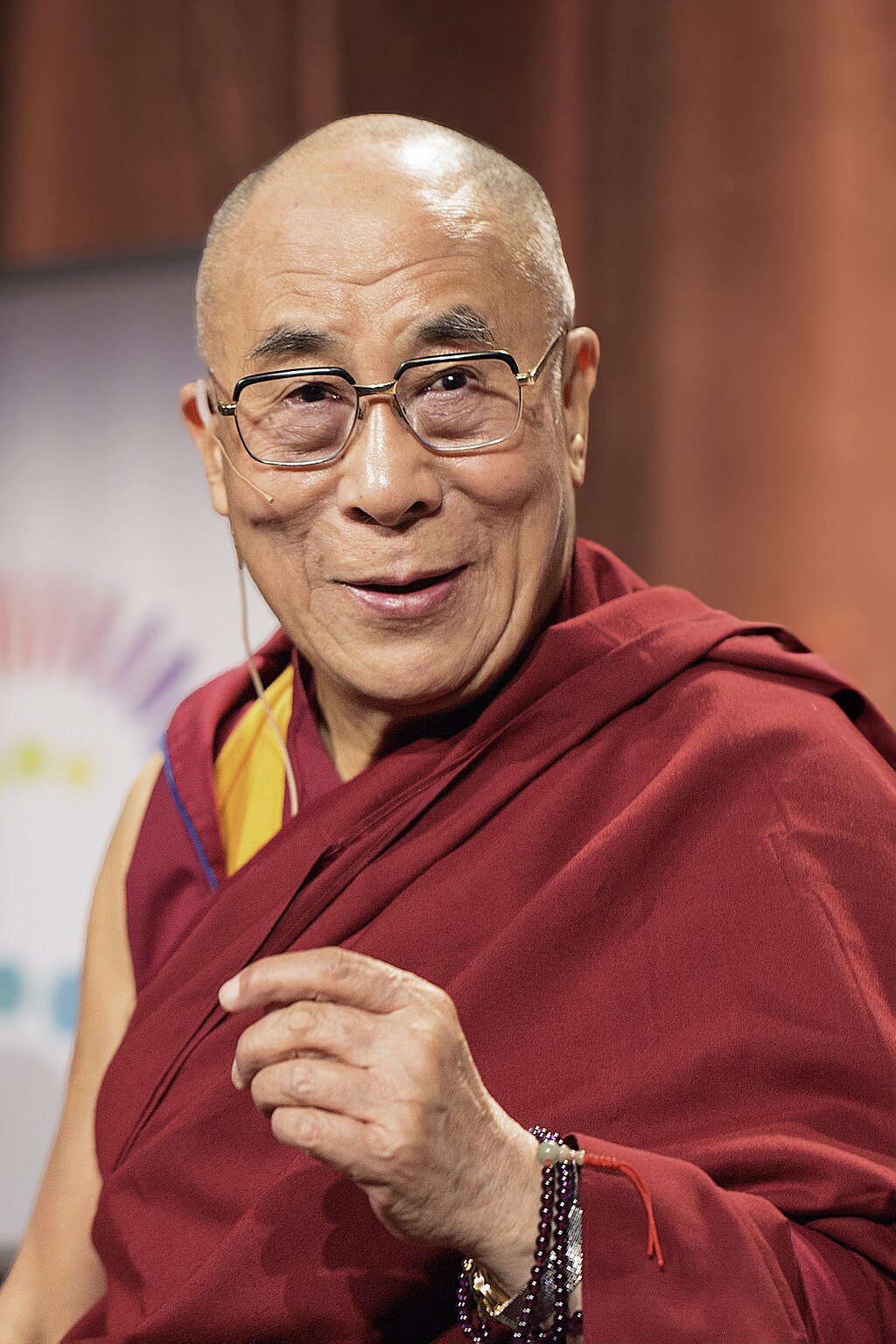
The Seeds of Consequence: Understanding Nonviolence through the Lens of the Dalai Lama
The Dalai Lama's poignant assertion, "Through violence, you may solve one problem, but you sow the seeds for another," invites us to reflect deeply on the nature of conflict and resolution. In a world often driven by immediate gratification and the desire for quick fixes, this quote serves as a reminder that the repercussions of our actions extend far beyond the present moment. The stakes are high; choosing violence may yield a temporary solution, yet it invariably plants the seeds for future discord and suffering. This insight challenges us to consider the long-term consequences of our choices and the ethical implications of our actions.
As we delve deeper into this teaching, we recognize that the Dalai Lama is not merely speaking about physical violence but also about the violence of words, thoughts, and intentions. The underlying message is one of mindfulness and awareness, urging us to examine the roots of our conflicts and the methods we employ to address them. In a society that often glorifies strength and aggression, this perspective invites a radical shift towards compassion and understanding. It beckons us to explore nonviolence not just as a strategy but as a way of being that honors the interconnectedness of all life.
The image / the metaphor
The imagery in the Dalai Lama's quote is striking and evocative. The act of solving a problem through violence conjures images of a storm—powerful and destructive, yet ultimately temporary. The verbs "solve" and "sow" create a dynamic tension between immediate action and the long-term implications of that action. While one may feel a sense of relief or victory in the moment, the seeds sown through violence inevitably lead to new challenges, much like the aftermath of a storm that leaves destruction in its wake.
Delving deeper into the metaphor, we can see that the seeds represent the consequences of our actions—resentment, anger, and further conflict. Just as a gardener must tend to the soil and nurture the plants that grow, we too must be mindful of the emotional and spiritual landscape we cultivate through our choices. The metaphor serves as a powerful reminder that our actions are interconnected, and the cycle of violence can perpetuate itself if left unchecked. In this light, the Dalai Lama's words become a call to cultivate peace and understanding rather than allowing the cycle of violence to take root.
In the speaker's tradition
Within the framework of Tibetan Buddhism, the Dalai Lama's teaching resonates with core concepts such as nonviolence (ahimsa) and compassion (karuna). These principles are deeply embedded in the Buddhist understanding of dharma, which emphasizes the importance of ethical conduct and the interconnectedness of all beings. The notion of kenosis, or self-emptying, aligns with the idea that true strength lies not in domination but in the ability to let go of ego-driven desires and embrace a path of humility and compassion. This perspective encourages us to see beyond our immediate desires and recognize the broader impact of our actions.
A relevant text that echoes this sentiment is the "Dhammapada," where the Buddha teaches that hatred does not cease by hatred, but by love alone is healed. This timeless wisdom reinforces the idea that the cycle of violence can only be broken through compassionate action and understanding. The Dalai Lama, as a contemporary embodiment of these teachings, urges us to embody this wisdom in our daily lives, reminding us that the path to peace is paved with nonviolence and compassion.
Living the teaching
Consider a modern scenario where this teaching finds resonance: a heated political debate where opposing sides resort to insults and aggression. In such moments, the immediate desire to "win" the argument may seem justified, yet the Dalai Lama's words remind us that this approach only sows discord and deepens divisions. Instead, embracing nonviolence in discourse—listening actively, seeking to understand differing perspectives, and responding with kindness—can transform the conversation. This shift not only addresses the immediate conflict but also fosters a culture of respect and understanding.
In personal relationships, the application of this teaching can be equally profound. Imagine a disagreement with a loved one where frustration leads to harsh words. The temptation to assert one's viewpoint through emotional outbursts may provide a fleeting sense of control, yet it ultimately breeds resentment and distance. By choosing to approach the situation with compassion and a willingness to listen, we can navigate the conflict in a way that nurtures connection rather than division. This practice of nonviolence in our interactions cultivates a deeper understanding and strengthens the bonds we share with others.
A reflection
As we contemplate the Dalai Lama's profound insight, we are invited to reflect on the nature of our own actions and their consequences. In what areas of your life might you be sowing seeds of conflict through unmindful choices? This question encourages us to examine our interactions, both large and small, and consider how we can embody the principles of nonviolence and compassion in our daily lives. By doing so, we not only honor the wisdom of the Dalai Lama but also contribute to a more peaceful and harmonious world.




Join the BrightStar Community
Stay connected with daily inspiration, event announcements, and community wisdom