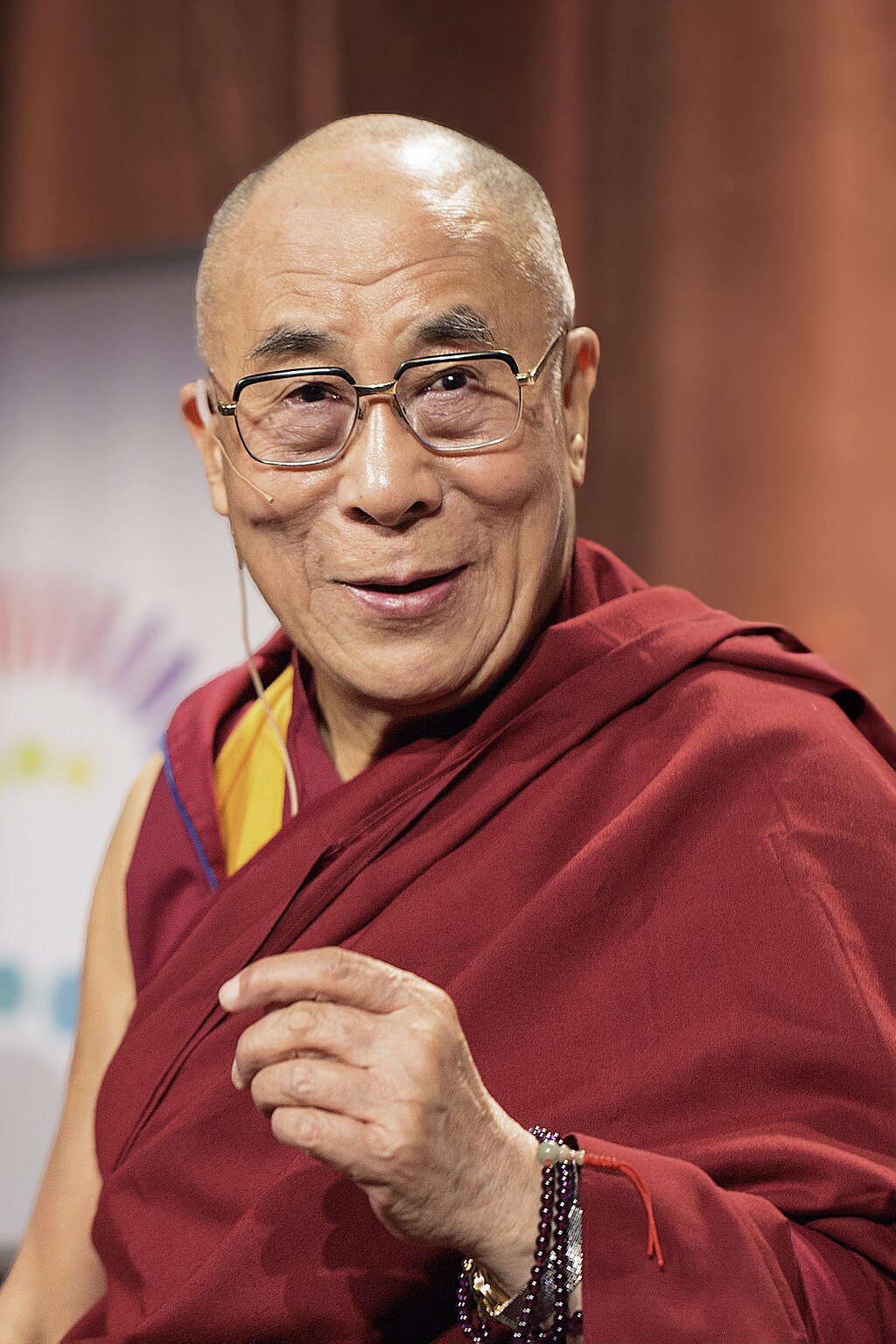
The Depths of Tibetan Heritage: A Contemplation on Culture
The Dalai Lama's assertion that "Tibet has a unique and ancient culture" invites us to reflect on the profound significance of cultural identity and heritage. This statement is not merely an observation but a call to recognize the intricate tapestry of traditions, beliefs, and practices that have shaped Tibetan society over centuries. In a world increasingly homogenized by globalization, understanding and valuing such unique cultures becomes essential for fostering respect and compassion among diverse peoples.
Delving deeper, we find that the essence of Tibetan culture is interwoven with its spiritual practices, particularly Tibetan Buddhism. This ancient tradition emphasizes the interconnectedness of all beings and the importance of compassion, wisdom, and mindfulness. The Dalai Lama's words serve as a reminder that culture is not static; it is a living expression of the values and experiences of a people. By appreciating the richness of Tibetan culture, we also engage with the broader human experience, recognizing the diverse ways in which people seek meaning and connection in their lives.
The image / the metaphor
The phrase "unique and ancient culture" evokes a vivid image of a landscape marked by both time and tradition. The word "unique" suggests a distinctiveness that sets Tibetan culture apart, while "ancient" conveys a sense of depth and continuity. This duality invites us to consider how cultural practices evolve yet remain rooted in historical contexts. The verbs chosen in this statement—"has"—imply possession, suggesting that this culture is not merely a relic of the past but a living entity that continues to influence the present.
Metaphorically, the idea of culture as a living entity can be expanded to encompass the notion of a river flowing through time. Just as a river carries with it the sediment of its journey, Tibetan culture carries the wisdom, struggles, and triumphs of its people. This metaphor encourages us to see culture not as a fixed point but as a dynamic force that shapes and is shaped by the lives of individuals. In this way, the richness of Tibetan culture becomes a source of nourishment for the spirit, inviting us to engage with its teachings and practices.
In the speaker's tradition
Within the framework of Tibetan Buddhism, the Dalai Lama's statement resonates deeply with key concepts such as dharma and compassion. Dharma, often translated as "truth" or "law," encompasses the teachings and practices that guide individuals toward enlightenment. Tibetan culture, steeped in these teachings, reflects a commitment to understanding the nature of suffering and the path to liberation. The emphasis on compassion, or "karuna," is central to Tibetan identity, encouraging individuals to cultivate empathy and kindness toward all sentient beings.
A relevant text that echoes this sentiment is the "Bodhicaryavatara," or "A Guide to the Bodhisattva's Way of Life," written by Shantideva. This text outlines the qualities of a bodhisattva, one who seeks enlightenment not only for themselves but for the benefit of all beings. The teachings within this text highlight the importance of cultural heritage as a means of fostering compassion and wisdom, reinforcing the idea that Tibetan culture is not merely a historical artifact but a living expression of these profound spiritual truths.
Living the teaching
In contemporary life, the teachings encapsulated in the Dalai Lama's quote can manifest in various ways. Consider a situation where one encounters cultural differences in a workplace or community setting. By embracing the uniqueness of Tibetan culture, individuals can cultivate an atmosphere of respect and understanding, recognizing that each culture brings valuable perspectives and insights. This approach not only enriches interpersonal relationships but also fosters a sense of belonging and unity among diverse groups.
Another application of this teaching can be found in personal relationships, particularly during moments of conflict or misunderstanding. By acknowledging the cultural backgrounds that shape our perspectives, we can approach disagreements with greater empathy and openness. This practice encourages us to listen deeply and seek common ground, allowing the richness of our diverse heritages to inform our interactions. In this way, the essence of Tibetan culture—rooted in compassion and understanding—can guide us toward more harmonious relationships.
A reflection
As we contemplate the Dalai Lama's assertion about Tibetan culture, we are invited to consider our own cultural identities and the ways they shape our understanding of the world. What aspects of your heritage do you hold dear, and how do they influence your interactions with others? In a time when cultural appreciation is essential for fostering global harmony, reflecting on these questions can deepen our connection to both our own traditions and those of others.




Join the BrightStar Community
Stay connected with daily inspiration, event announcements, and community wisdom