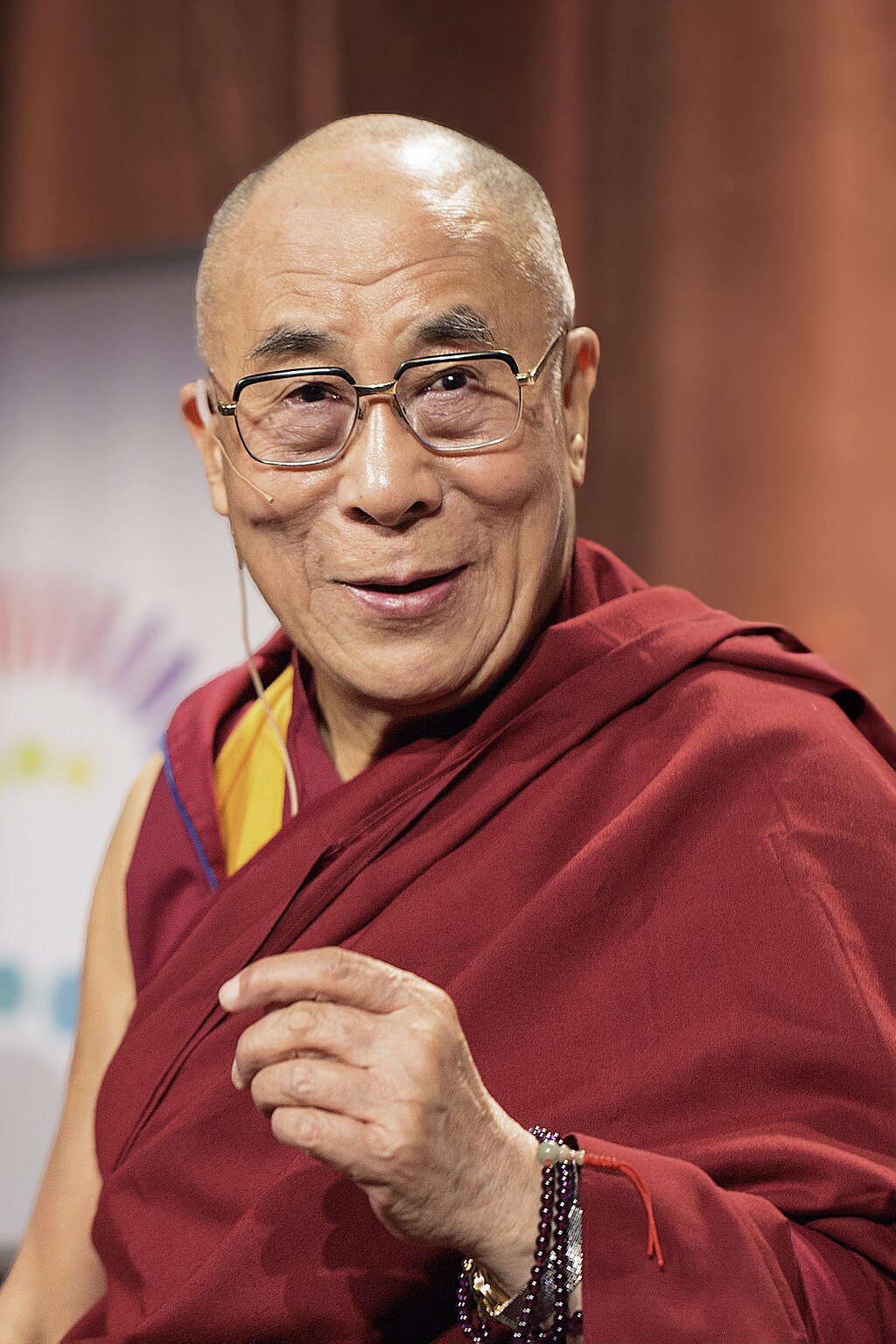
The True Battle Within
In the words of the Dalai Lama, "To conquer oneself is a greater task than conquering others." This profound statement invites us to reflect on the nature of true mastery and the challenges inherent in self-discipline. In a world often preoccupied with external achievements and victories over others, the Dalai Lama reminds us that the most significant struggle lies within. This internal conquest is not merely a personal endeavor; it is a path toward wisdom, compassion, and a deeper understanding of our interconnectedness.
As we navigate our lives, the allure of external validation can overshadow the more subtle, yet profound, journey of self-discovery. The Dalai Lama's assertion serves as a call to introspection, urging us to confront our fears, desires, and limitations. This inner work requires courage and commitment, as it challenges us to dismantle the barriers we have constructed around our true selves. By recognizing that the greatest victories are those won over our own minds and hearts, we begin to appreciate the depth of this teaching and its relevance in our daily lives.
The image / the metaphor
The imagery in the quote evokes a sense of struggle and triumph, where the battlefield is not a physical space but rather the landscape of our inner world. The verbs "conquer" and "task" suggest a formidable challenge, one that demands not only effort but also a profound understanding of oneself. To "conquer" implies a sense of overcoming, while "task" denotes a responsibility that requires diligence and perseverance. This metaphorical battle is one of self-awareness, where the adversary is our own ignorance, fear, and attachment.
In the speaker's tradition
Within the framework of Tibetan Buddhism, the Dalai Lama's teaching resonates with core concepts such as dharma, the path of righteousness, and prajna, or wisdom. The journey of self-conquest aligns with the practice of cultivating awareness and understanding the nature of reality, often referred to as sunyata or emptiness. This understanding encourages practitioners to let go of attachments and ego-driven desires, fostering a sense of interconnectedness with all beings. The Dalai Lama's emphasis on self-mastery reflects the belief that true liberation arises from within, as we learn to navigate our inner landscapes with clarity and compassion.
A relevant text that echoes this sentiment is the "Bodhicaryavatara" by Shantideva, which emphasizes the importance of cultivating a compassionate heart and the wisdom to see beyond the self. In this text, the notion of self-conquest is intricately linked to the aspiration to benefit others, illustrating that the journey inward ultimately leads to a more profound capacity for love and service. This interconnectedness highlights the transformative power of self-mastery, as it enables us to engage with the world from a place of authenticity and compassion.
Living the teaching
Consider a modern scenario where this teaching can be applied: a workplace conflict where competition and rivalry often overshadow collaboration. In such an environment, the temptation to assert dominance over colleagues can be strong. However, if one chooses to focus on self-conquest—examining their motivations, reactions, and the underlying fears driving their behavior—they may find that the true victory lies in fostering a spirit of cooperation and understanding. By turning inward, they can transform the workplace dynamic, creating a more harmonious atmosphere that benefits everyone involved.
Another application of this teaching can be found in personal relationships, particularly during moments of conflict. When faced with disagreements, the instinct may be to defend one's position or seek to "win" the argument. However, by embracing the Dalai Lama's wisdom, one can shift their focus to self-reflection, asking questions about their own triggers and emotional responses. This practice of self-inquiry not only deepens understanding but also paves the way for more meaningful and compassionate communication, ultimately strengthening the bond between individuals.
A reflection
As we contemplate the Dalai Lama's profound insight, we are invited to consider the nature of our own internal battles. What aspects of ourselves remain unexamined or unacknowledged? In what ways can we cultivate greater self-awareness and compassion in our daily lives? By engaging with these questions, we embark on a journey of self-discovery that holds the potential for profound transformation, leading us toward a more authentic and connected existence.




Join the BrightStar Community
Stay connected with daily inspiration, event announcements, and community wisdom