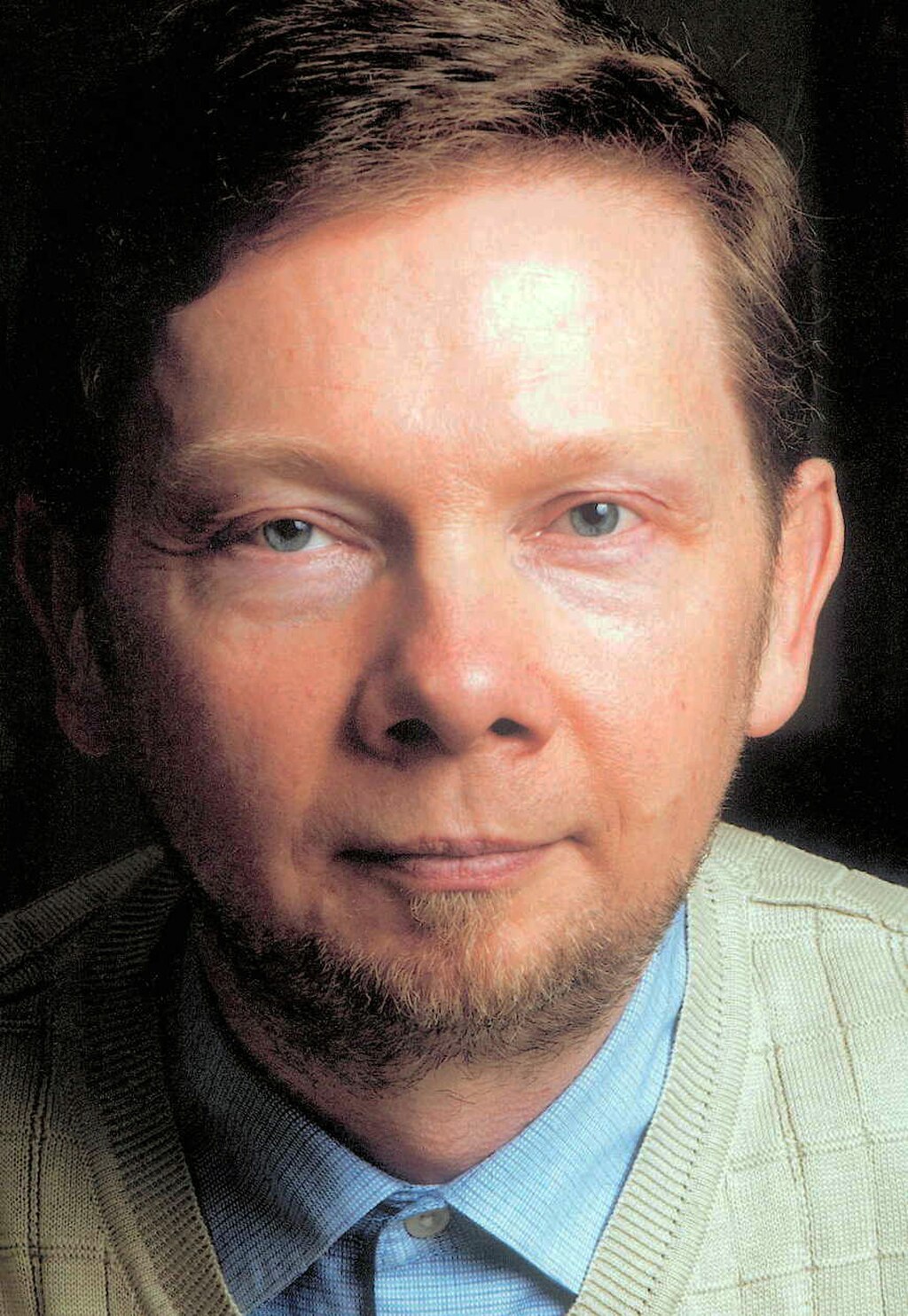
The Stillness of Creation: Embracing No-Mind in Artistic Expression
Eckhart Tolle's assertion that "all true artists, whether they know it or not, create from a place of no-mind, from inner stillness" invites us to explore the profound relationship between creativity and the state of being present. This statement suggests that the essence of true artistry transcends the confines of thought and ego, emerging instead from a deep well of stillness within. Understanding this dynamic is crucial, as it not only reshapes our perception of creativity but also offers a pathway to deeper self-awareness and fulfillment.
In a world often dominated by noise and distraction, Tolle's words resonate as a reminder of the power of inner silence. The concept of "no-mind" speaks to a state of consciousness where the incessant chatter of the mind is quieted, allowing for a more authentic expression of the self. This stillness is not merely the absence of thought; it is a fertile ground from which creativity can blossom, free from the constraints of judgment and expectation. By recognizing this, we can begin to appreciate the transformative potential of embracing stillness in our own creative endeavors.
The image / the metaphor
The imagery in Tolle's quote evokes a serene landscape, where the artist stands at the edge of a tranquil lake, reflecting the stillness of the water. The phrase "place of no-mind" conjures a sense of liberation from the burdens of overthinking, where the artist can access a deeper layer of intuition and inspiration. The verbs "create from" suggest an active engagement with this stillness, indicating that true artistry is not a passive experience but rather a dynamic interplay between the inner self and the external world.
Diving deeper into the metaphor, we can see that "no-mind" represents a state of being that is often elusive in our fast-paced lives. It is akin to the Zen concept of "sunyata," or emptiness, which invites us to let go of preconceived notions and judgments. In this space of emptiness, creativity can flow freely, unencumbered by the weight of expectation. The artist, therefore, becomes a vessel through which inspiration can manifest, highlighting the interconnectedness of all things and the beauty that arises when we surrender to the present moment.
In the speaker's tradition
Eckhart Tolle's teachings are deeply rooted in the non-dual tradition, which emphasizes the unity of all existence and the importance of transcending the ego. Concepts such as "kenosis," or self-emptying, resonate with Tolle's notion of no-mind, as both advocate for the relinquishment of the self in order to experience a deeper connection with the universe. This state of surrender allows for the emergence of creativity that is not tainted by personal desires or fears, but rather flows from a place of pure awareness.
In Tolle's seminal work, "The Power of Now," he emphasizes the significance of being fully present as a means to access this state of no-mind. He draws parallels to the teachings of various spiritual traditions, including Buddhism and Sufism, where the dissolution of the ego is seen as essential for spiritual awakening. By situating creativity within this broader context, we can appreciate how the act of creation becomes a spiritual practice, a way to connect with the divine essence that resides within us all.
Living the teaching
Consider a modern scenario where an individual is faced with the daunting task of creating a presentation for work. The pressure to impress colleagues and superiors can lead to a flurry of thoughts and anxieties, clouding the creative process. By embracing Tolle's teaching of no-mind, this individual can take a step back, allowing themselves to enter a state of stillness. In this quiet space, ideas may emerge organically, free from the constraints of self-doubt and fear of judgment, ultimately leading to a more authentic and impactful presentation.
A reflection
As we contemplate Tolle's assertion, we are invited to consider the role of stillness in our own lives. How might our creative expressions transform if we approached them from a place of no-mind? In what ways can we cultivate inner stillness amidst the chaos of daily life, allowing our true selves to emerge? Reflecting on these questions can lead us to a deeper understanding of our creative potential and the spiritual journey that accompanies it.




Join the BrightStar Community
Stay connected with daily inspiration, event announcements, and community wisdom