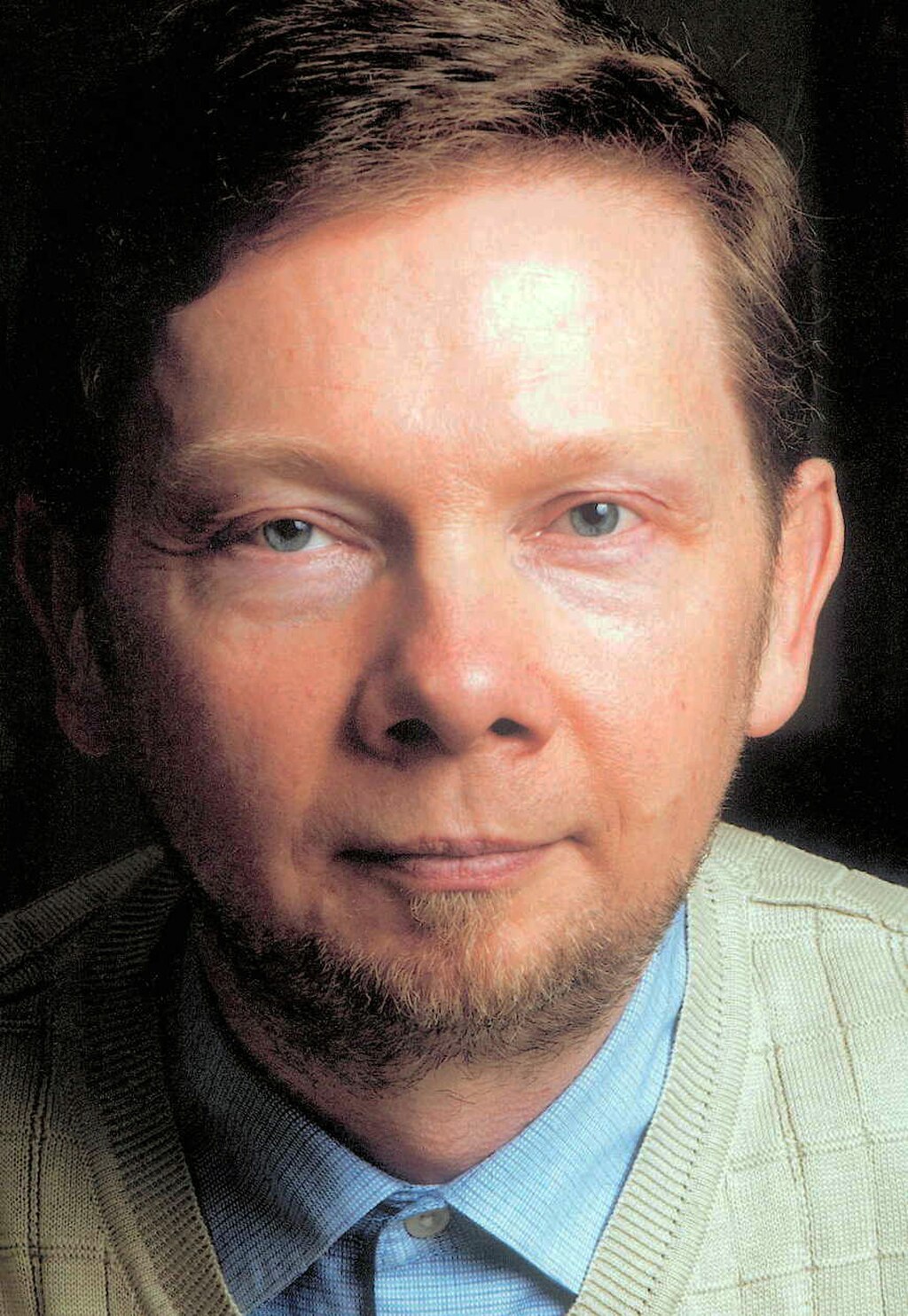
Beyond Emotion: The Witnessing Self
In the profound words of Eckhart Tolle, "Equate yourself with neither emotion nor reaction," we are invited to step back from the tumultuous waves of our emotional landscape. This statement serves as a gentle yet firm reminder that our true essence transcends the transient nature of feelings and responses. In a world where we often identify ourselves with our emotional states, this teaching beckons us to cultivate a deeper awareness, one that recognizes the impermanence of emotions and the freedom that arises from witnessing them without attachment.
To equate oneself with emotion or reaction is to become ensnared in a cycle of identification that can lead to suffering. Tolle's insight encourages us to embrace a more expansive view of our being, one that allows us to observe our emotions without becoming them. This distinction is not merely an intellectual exercise; it is a transformative practice that can lead to profound inner peace and clarity. By learning to witness our emotional experiences rather than being defined by them, we open ourselves to a more authentic existence, one rooted in presence and awareness.
The image / the metaphor
The imagery in Tolle's quote evokes a sense of detachment, not in the sense of coldness, but rather as a compassionate distance that allows for observation. The verbs "equate" and "react" suggest a dynamic interplay between the self and the emotional experience, highlighting the potential for entanglement. When we equate ourselves with our emotions, we risk losing sight of our true nature, becoming like a ship tossed about on the stormy seas of our feelings. In contrast, the act of witnessing invites us to stand on the shore, observing the waves without being swept away.
In the speaker's tradition
Eckhart Tolle's teachings are deeply rooted in the non-dual tradition, which emphasizes the unity of all existence and the illusory nature of the separate self. Concepts such as "sunyata," or emptiness, resonate with Tolle's invitation to detach from emotional identification. In this context, the practice of witnessing aligns with the idea of "kenosis," or self-emptying, where one relinquishes the ego's hold on identity to experience a more profound connection with the present moment. This non-dual awareness allows us to see emotions as transient phenomena rather than fixed aspects of our identity.
In Tolle's seminal work, "The Power of Now," he draws upon various spiritual traditions, including Buddhism and Advaita Vedanta, to illustrate the importance of presence. The notion of "prajna," or wisdom, emerges as we learn to discern the difference between our true self and the fluctuating emotions that arise. This wisdom is not merely intellectual but experiential, cultivated through the practice of mindfulness and the recognition of the witness within. By grounding ourselves in this understanding, we can navigate life's challenges with a sense of equanimity and clarity.
Living the teaching
Consider a modern scenario where this teaching can be applied: imagine receiving critical feedback at work. The initial emotional reaction may be one of defensiveness or self-doubt, prompting a cascade of thoughts that reinforce a negative self-image. However, by practicing Tolle's teaching, one can pause and recognize these emotions as temporary responses rather than definitive truths about oneself. This moment of awareness allows for a more constructive engagement with the feedback, transforming potential suffering into an opportunity for growth and learning.
In the realm of relationships, the application of this teaching can be equally transformative. During a heated argument with a loved one, emotions may run high, leading to reactions that can escalate conflict. By embodying the witness, one can observe the emotional turbulence without becoming entangled in it. This practice fosters a space for compassion and understanding, allowing both parties to express their feelings while remaining anchored in a shared sense of presence. In this way, the teaching becomes a bridge to deeper connection and harmony.
A reflection
As we contemplate Tolle's profound invitation to "equate yourself with neither emotion nor reaction," we are called to explore the nature of our own emotional experiences. How often do we find ourselves lost in the currents of our feelings, mistaking them for our true selves? In this moment of reflection, consider: what would it mean for you to cultivate the witness within, allowing emotions to flow through you without defining your identity? This question invites us to embark on a journey of self-discovery, one that leads to greater freedom and authenticity.




Join the BrightStar Community
Stay connected with daily inspiration, event announcements, and community wisdom