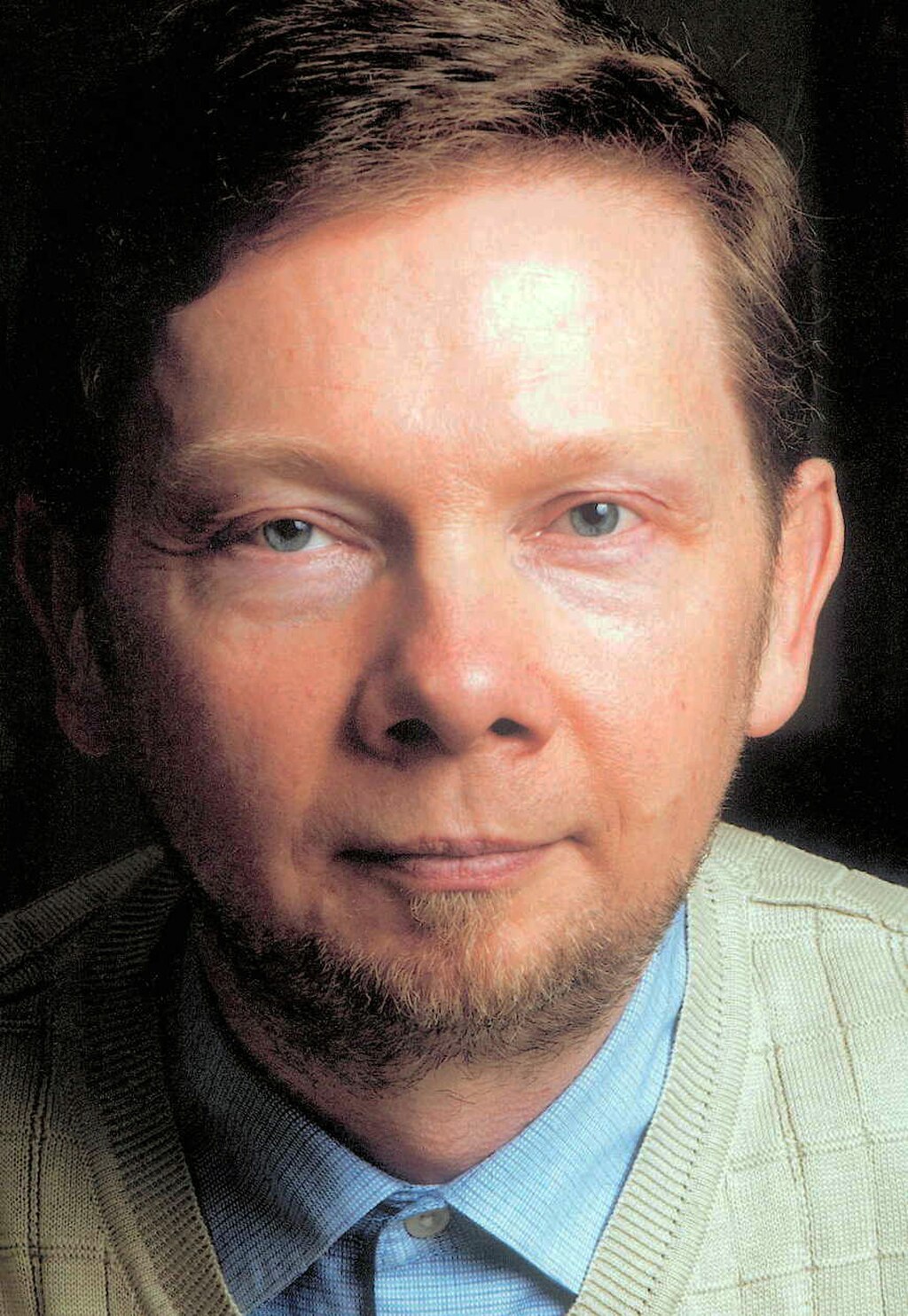
The Consciousness That Shapes Our Reality
Eckhart Tolle's assertion that "the brain does not create consciousness, but consciousness created the brain" invites us to reconsider the very foundation of our understanding of existence. This profound statement challenges the conventional view that consciousness is merely a byproduct of neurological processes. Instead, Tolle suggests that consciousness is the primary force that shapes our reality, including the physical structures of our brain. This perspective holds significant implications for how we perceive ourselves and our relationship with the world around us.
By placing consciousness at the forefront, Tolle encourages us to explore the depths of our being beyond the confines of the mind. This exploration is not merely an intellectual exercise; it is a transformative journey that can lead to a deeper understanding of our true nature. In a world often dominated by materialism and reductionist thinking, Tolle's insight serves as a reminder that our essence transcends the physical and invites us to engage with the more subtle dimensions of existence.
The image / the metaphor
The imagery in Tolle's quote evokes a sense of reversal in our understanding of existence. The brain, often viewed as the seat of consciousness, is recontextualized as a creation of consciousness itself. This inversion suggests a dynamic interplay between the two, where consciousness is not merely a passive observer but an active creator. The verbs "create" and "does not create" highlight a relationship of agency and origin, prompting us to consider the implications of consciousness as a formative force.
In the speaker's tradition
Tolle's perspective aligns closely with the non-dual tradition, which emphasizes the interconnectedness of all existence and the primacy of consciousness. Concepts such as *sunyata* (emptiness) in Buddhism and *fana* (annihilation of the self) in Sufism resonate with Tolle's assertion. Both traditions point to the idea that the self, as constructed by the mind, is an illusion, and that true understanding arises from recognizing our unity with the greater consciousness that permeates all things. This recognition can lead to a profound sense of liberation and peace.
In his work, Tolle often references the idea of *kenosis*, or self-emptying, which invites individuals to let go of their egoic identities and embrace a more expansive sense of self. This aligns with the teachings found in texts such as the *Tao Te Ching*, where the wisdom of non-action and surrender to the flow of life is celebrated. By understanding that consciousness is the source of our being, we can begin to dissolve the barriers that separate us from our true nature and from one another.
Living the teaching
Consider a modern scenario where this teaching can be applied: a person grappling with anxiety about their future. In this state, the individual may feel trapped in a cycle of negative thoughts, believing that their brain's activity defines their reality. However, by embracing Tolle's insight, they can begin to recognize that these thoughts are not the entirety of their being. Instead, they can cultivate awareness of the consciousness that observes these thoughts, allowing them to create space for peace and acceptance amidst uncertainty.
In a relationship context, this teaching can manifest in moments of conflict. When two individuals become entangled in misunderstandings, they may react from a place of ego, allowing their thoughts and emotions to dictate their responses. By remembering that consciousness is the foundation of their connection, they can approach the situation with compassion and understanding, recognizing that their true essence is not defined by the temporary fluctuations of the mind. This shift can foster deeper intimacy and healing, as both partners learn to engage from a place of awareness rather than reactivity.
A reflection
As we contemplate Tolle's profound assertion, we are invited to ask ourselves: How can I cultivate a deeper awareness of the consciousness that underlies my thoughts and experiences? This question encourages us to explore the spaces between our thoughts, to recognize the stillness that exists beyond the noise of the mind. By engaging with this inquiry, we can begin to uncover the layers of our being and embrace the transformative power of consciousness in our daily lives.




Join the BrightStar Community
Stay connected with daily inspiration, event announcements, and community wisdom