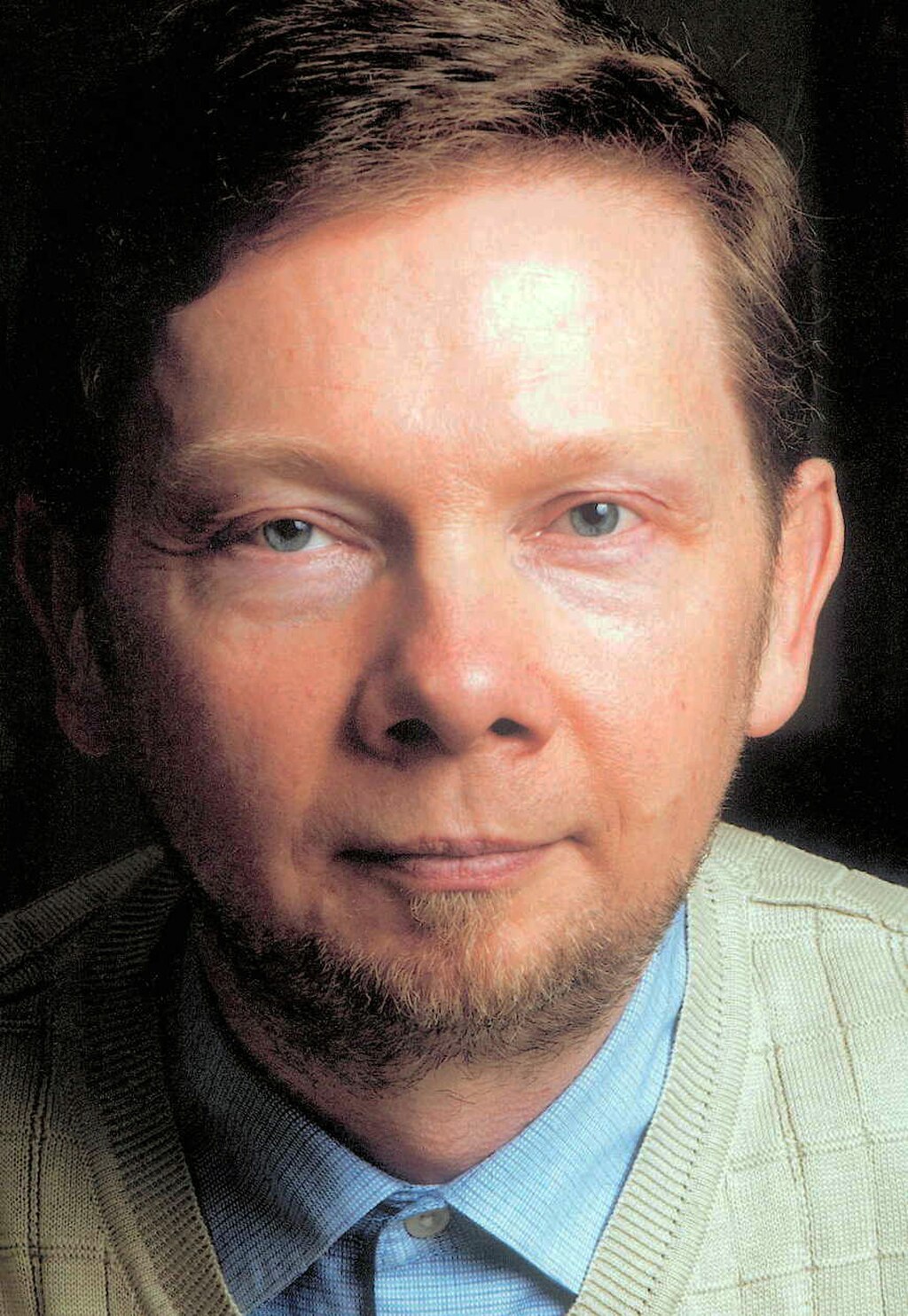
The Art of Total Presence
“Wherever you are, be there totally.” This profound statement by Eckhart Tolle invites us to immerse ourselves fully in the present moment, urging us to abandon distractions and the incessant pull of our thoughts. In a world that often encourages multitasking and divided attention, this teaching serves as a gentle reminder of the importance of presence. It beckons us to engage with our current experience, suggesting that true fulfillment and clarity arise from our ability to be wholly present, no matter the circumstances.
To be “there totally” is not merely a call to physical presence; it is an invitation to engage with our surroundings and experiences on a deeper, more meaningful level. This totality encompasses our thoughts, emotions, and sensations, urging us to embrace the richness of life as it unfolds. In a society that often glorifies busyness and distraction, Tolle’s words challenge us to reconsider our relationship with time and presence, emphasizing that the essence of life is found in the here and now, rather than in the past or future.
The image / the metaphor
The imagery in Tolle’s quote evokes a sense of grounding and immediacy. The phrase “wherever you are” suggests a physical location, yet it also implies a state of being that transcends mere geography. The verb “be” calls for an active engagement with the present moment, while “there totally” emphasizes the depth of that engagement. This totality is not just about being physically present; it is about immersing oneself in the experience, allowing oneself to feel, perceive, and connect with the moment in its entirety.
In the speaker's tradition
Eckhart Tolle’s teachings are deeply rooted in the non-dual tradition, which emphasizes the interconnectedness of all existence. Concepts such as *sunyata* (emptiness) and *fana* (annihilation of the self) resonate with the essence of Tolle’s message. In this context, being present is not merely a practice but a pathway to realizing the underlying unity of all things. The act of total presence allows us to transcend the illusion of separation, revealing the interconnected web of life that binds us all.
In Tolle’s seminal work, *The Power of Now*, he elaborates on the necessity of presence as a means to awaken to our true nature. He draws parallels with various spiritual traditions, emphasizing that the essence of enlightenment lies in the ability to be fully present. This aligns with the teachings of many spiritual masters who advocate for mindfulness and awareness as essential practices for spiritual growth. Tolle’s insights echo the wisdom found in texts like the *Bhagavad Gita*, which speaks to the importance of performing one’s duty with full attention and devotion, regardless of the outcome.
Living the teaching
Consider a modern scenario where this teaching can be applied: a busy professional attending a meeting while simultaneously checking emails and messages. In this situation, the individual is physically present but mentally scattered, missing the opportunity to engage fully with colleagues and the discussion at hand. By embracing Tolle’s teaching, one could consciously choose to set aside distractions, focusing entirely on the conversation and the shared ideas. This shift not only enhances the quality of the interaction but also fosters a deeper sense of connection and collaboration.
Another application of this teaching can be found in personal relationships. Imagine a moment of conflict with a loved one, where emotions run high and misunderstandings abound. Instead of reacting impulsively or retreating into defensive thoughts, one could practice total presence by actively listening and engaging with the other person’s feelings. This commitment to being “there totally” can transform the interaction, allowing for genuine understanding and healing. In daily practices, such as meditation or mindful walking, the essence of Tolle’s teaching can be cultivated, encouraging us to embrace each moment with awareness and acceptance.
A reflection
As we contemplate Tolle’s invitation to be present, we may ask ourselves: “In what areas of my life am I holding back from total presence?” This question invites introspection and encourages us to explore the moments where we might be physically present but emotionally or mentally absent. By reflecting on our experiences, we can begin to identify patterns that hinder our ability to engage fully with life, opening the door to deeper awareness and connection.




Join the BrightStar Community
Stay connected with daily inspiration, event announcements, and community wisdom