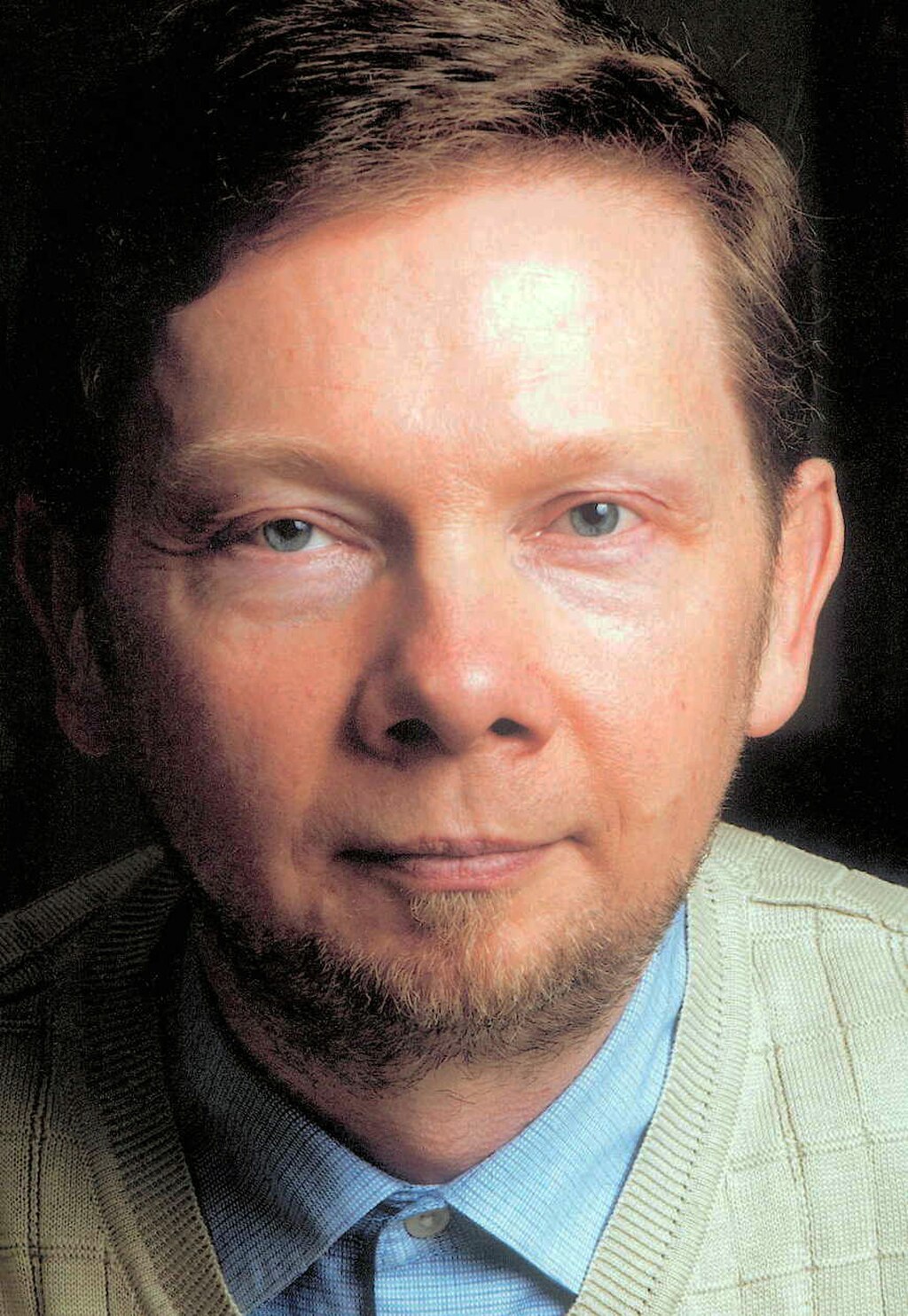
The Illusion of Time: Embracing the Present Moment
Eckhart Tolle's assertion that "You can think about the past or future. But the past or future do not exist" invites us to confront the nature of our existence. In a world often dominated by memories and anticipations, this statement serves as a profound reminder of the significance of the present moment. It challenges us to recognize that our fixation on what has been or what might be distracts us from the only reality that truly matters: the here and now.
This perspective is not merely philosophical; it has practical implications for our emotional and spiritual well-being. By acknowledging that the past and future are constructs of the mind, we can begin to liberate ourselves from the burdens of regret and anxiety. Tolle's words encourage us to cultivate a deeper awareness of our current experience, fostering a sense of peace and clarity that can transform our lives.
The image / the metaphor
The imagery in Tolle's quote evokes a sense of temporal dislocation, where the mind wanders through the corridors of time, yet finds no solid ground. The verbs "think" and "exist" highlight the distinction between mental activity and actual being. While we may engage in thoughts about past events or future possibilities, these reflections do not manifest in tangible reality; they are ephemeral, like shadows cast by a flickering flame.
In the speaker's tradition
Eckhart Tolle's teachings resonate deeply within the non-dual tradition, which emphasizes the interconnectedness of all existence and the illusion of separateness. Concepts such as sunyata, or emptiness, in Buddhism, and fana, or annihilation of the self, in Sufism, echo Tolle's insights. These traditions encourage us to transcend the dualistic thinking that binds us to the past and future, guiding us toward a direct experience of reality as it is.
In Tolle's seminal work, "The Power of Now," he draws upon various spiritual traditions to illustrate the importance of presence. He references the teachings of Zen Buddhism, which emphasize mindfulness and the practice of being fully engaged in the present moment. This alignment with ancient wisdom underscores the universality of Tolle's message, inviting seekers from all backgrounds to explore the transformative power of living in the now.
Living the teaching
Consider a modern scenario where this teaching can be applied: imagine a busy professional, constantly preoccupied with deadlines and future projects. This individual may find themselves trapped in a cycle of stress and distraction, unable to appreciate the richness of their current experiences. By embracing Tolle's teaching, they can learn to pause, breathe, and redirect their focus to the present moment, finding clarity and calm amidst the chaos of their responsibilities.
In the realm of relationships, Tolle's insight can also be profoundly transformative. Picture a couple caught in a pattern of arguing about past grievances or future expectations. By shifting their attention to the present moment, they can cultivate deeper understanding and connection, allowing for authentic communication and healing. This practice of presence not only enriches their relationship but also fosters a sense of gratitude for the shared experience of being together in the now.
A reflection
As we contemplate Tolle's profound statement, we are invited to ask ourselves: "What would my life look like if I fully embraced the present moment?" This question encourages us to reflect on the ways we may be clinging to the past or anxiously anticipating the future. In this inquiry, we can begin to uncover the layers of our habitual thinking and open ourselves to the beauty and richness of the here and now.




Join the BrightStar Community
Stay connected with daily inspiration, event announcements, and community wisdom