The Wisdom of Simplicity in Leadership
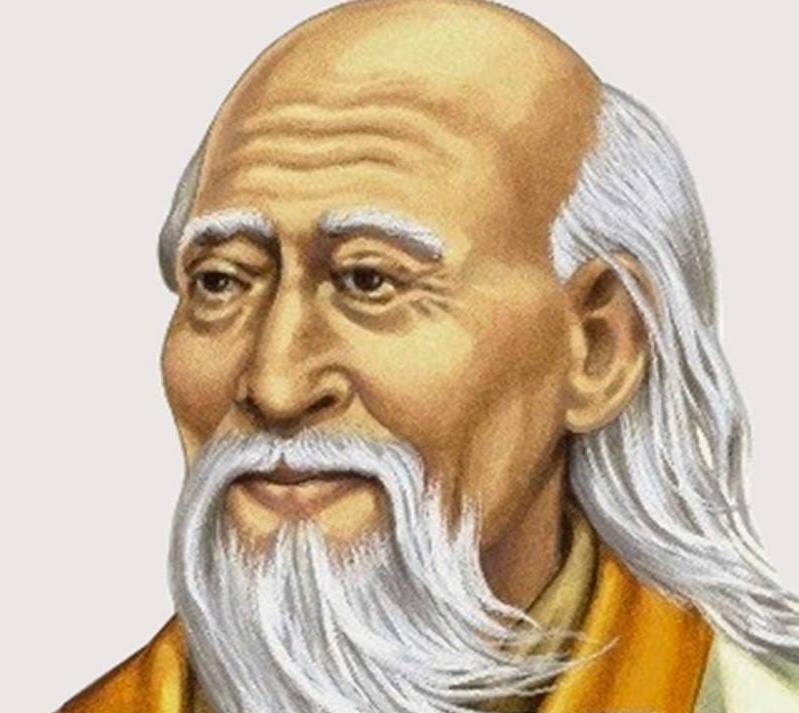
Lao Tzu's assertion, "Govern the kingdom with correctness. Use no cleverness in employing the people," invites us to reflect on the essence of leadership and the profound simplicity that underpins effective governance. In a world often driven by cunning strategies and manipulative tactics, this quote serves as a gentle reminder that true authority lies not in cleverness but in integrity and authenticity. The stakes are high; when leaders prioritize cleverness over correctness, they risk alienating those they serve and undermining the very foundations of trust and community.
This wisdom resonates deeply in our contemporary landscape, where the complexities of leadership can lead to a disconnection from the core values that bind us. Lao Tzu's call for correctness urges leaders to act with moral clarity and to engage with their communities in a manner that fosters genuine connection. In this light, the quote becomes a beacon for those seeking to navigate the often murky waters of leadership, reminding us that simplicity and sincerity can yield profound results in both personal and collective realms.
The image / the metaphor
The imagery in Lao Tzu's quote evokes a sense of groundedness and clarity. The term "govern the kingdom" suggests a realm of responsibility, while "correctness" implies a moral compass guiding one's actions. The choice of the word "cleverness" introduces a contrast, highlighting the potential pitfalls of manipulation and deceit. This juxtaposition creates a felt sense of tension between the straightforwardness of correctness and the often convoluted nature of cleverness, inviting us to consider the implications of our choices in leadership.
In the speaker's tradition
Within the context of Taoism, Lao Tzu's teachings reflect a profound understanding of the interconnectedness of all things. Concepts such as "wu wei," or effortless action, and "te," or virtue, resonate with the idea of governing with correctness. By embracing these principles, leaders can cultivate an environment where individuals feel valued and empowered, rather than manipulated or coerced. This approach aligns with the Taoist belief in the natural flow of life, suggesting that true leadership emerges when one acts in harmony with the Tao, or the way of the universe.
Moreover, the notion of "correctness" can be likened to the Buddhist concept of "dharma," which emphasizes living in accordance with one's true nature and the greater good. Just as dharma guides individuals toward ethical conduct and compassion, Lao Tzu's call for correctness encourages leaders to embody integrity and wisdom. In this way, both traditions converge on the understanding that authentic leadership is not about exerting control but rather about nurturing a sense of belonging and purpose within the community.
Living the teaching
Consider a modern scenario where a manager in a corporate setting faces the challenge of leading a diverse team. In this environment, the temptation to employ clever tactics—such as favoritism or manipulation—may arise as a means to achieve short-term goals. However, by embracing Lao Tzu's wisdom, the manager can choose to govern with correctness, fostering an atmosphere of trust and collaboration. This approach not only enhances team morale but also cultivates a sense of shared responsibility, ultimately leading to more sustainable success.
In a different context, imagine a personal relationship strained by misunderstandings and miscommunications. Here, the application of correctness can manifest as open and honest dialogue, where both parties commit to expressing their true feelings without resorting to cleverness or manipulation. By prioritizing authenticity and clarity, individuals can navigate the complexities of their relationship, fostering deeper connections and mutual understanding. This practice of living the teaching invites us to reflect on how we engage with others, encouraging us to choose simplicity and sincerity in our interactions.
A reflection
As we contemplate Lao Tzu's profound insight, we are invited to consider the ways in which we govern our own lives and relationships. Are we leading with correctness, or are we tempted by the allure of cleverness? In what areas of our lives can we simplify our approach, allowing authenticity to guide our actions? These questions serve as a contemplative invitation, encouraging us to explore the deeper implications of our choices and the impact they have on ourselves and those around us.




Join the BrightStar Community
Stay connected with daily inspiration, event announcements, and community wisdom