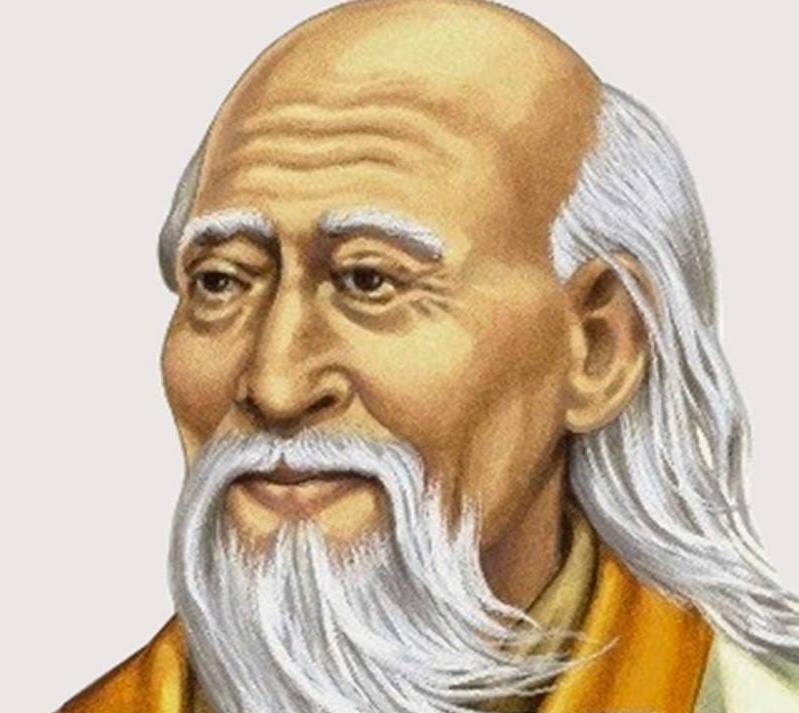
The Dance of Will and Endurance
In the words of Lao Tzu, "He who acts with vigor has will. He who keeps his place endures." This profound statement encapsulates the duality of human experience: the dynamic force of will and the steadfastness of endurance. In a world that often equates success with relentless action, Lao Tzu invites us to consider the balance between vigorous pursuit and the quiet strength of remaining grounded. Understanding this balance is essential for navigating the complexities of life, where both action and patience play pivotal roles.
As we delve deeper into this quote, we uncover layers of meaning that resonate with our contemporary struggles. The notion of acting with vigor suggests a passionate engagement with life, a call to harness our inner strength and direct it toward meaningful pursuits. Conversely, the idea of enduring speaks to the wisdom of patience and the importance of remaining true to oneself amidst the chaos of external pressures. Together, these concepts form a holistic approach to living, one that honors both the fiery spirit of ambition and the serene wisdom of acceptance.
The image / the metaphor
At first glance, the imagery in Lao Tzu's quote evokes a sense of movement and stability. The verb "acts" implies a proactive stance, a willingness to engage with the world energetically. In contrast, "keeps his place" suggests a rootedness, a steadfastness that allows one to weather life's storms. This interplay between action and stillness creates a vivid picture of a person who is both dynamic and grounded, embodying the essence of balance that is central to Taoist philosophy.
Diving deeper into the metaphor, we can see that vigor and endurance are not merely oppositional forces but rather complementary aspects of a single journey. The act of vigorous engagement can be seen as a dance, where one moves with purpose and intention, while endurance serves as the foundation that allows this dance to take place. Without the strength to endure, our actions may become erratic and unsustainable; conversely, without the vigor to act, we risk stagnation. This delicate balance is a reminder that true strength lies not just in our ability to act but also in our capacity to remain present and resilient.
In the speaker's tradition
Lao Tzu's teachings are deeply rooted in the tradition of Taoism, which emphasizes harmony with the natural flow of life. Concepts such as "wu wei," or effortless action, resonate with the idea of acting with vigor while simultaneously allowing for the natural unfolding of events. This principle encourages us to engage with life actively but without force, embodying a state of being that is both responsive and relaxed. In this way, the Taoist path invites us to cultivate a sense of will that is aligned with the rhythms of the universe.
Moreover, the notion of endurance can be likened to the Buddhist concept of "sunyata," or emptiness, which teaches us to let go of attachment and remain open to change. Just as enduring requires a certain level of detachment from outcomes, so too does embracing emptiness allow us to navigate life's uncertainties with grace. In this light, Lao Tzu's wisdom transcends cultural boundaries, offering a universal truth about the interplay of action and acceptance that can be found in various spiritual traditions.
Living the teaching
Consider a modern scenario where this teaching finds relevance: the pursuit of a career. In a competitive job market, one might feel compelled to act with vigor, applying for numerous positions, networking tirelessly, and striving to stand out. However, the wisdom of Lao Tzu reminds us that while ambition is essential, it is equally important to endure the process with patience. This means recognizing that career paths are often non-linear, requiring us to remain grounded and open to unexpected opportunities that may arise along the way.
This teaching can also be applied within the context of relationships. In moments of conflict, the urge to act vigorously—whether through argument or withdrawal—can overshadow the importance of endurance. By embodying the principle of keeping one's place, we can cultivate a space of understanding and compassion, allowing for the natural resolution of tensions. This approach fosters deeper connections and nurtures the resilience needed to navigate the complexities of human interaction, ultimately leading to more harmonious relationships.
A reflection
As we reflect on Lao Tzu's words, we are invited to consider the delicate balance between action and endurance in our own lives. How can we cultivate a sense of vigor in our pursuits while also embracing the patience required to endure life's challenges? This contemplative question encourages us to explore our relationship with both ambition and acceptance, guiding us toward a more harmonious existence.




Join the BrightStar Community
Stay connected with daily inspiration, event announcements, and community wisdom