The True Wealth of Contentment
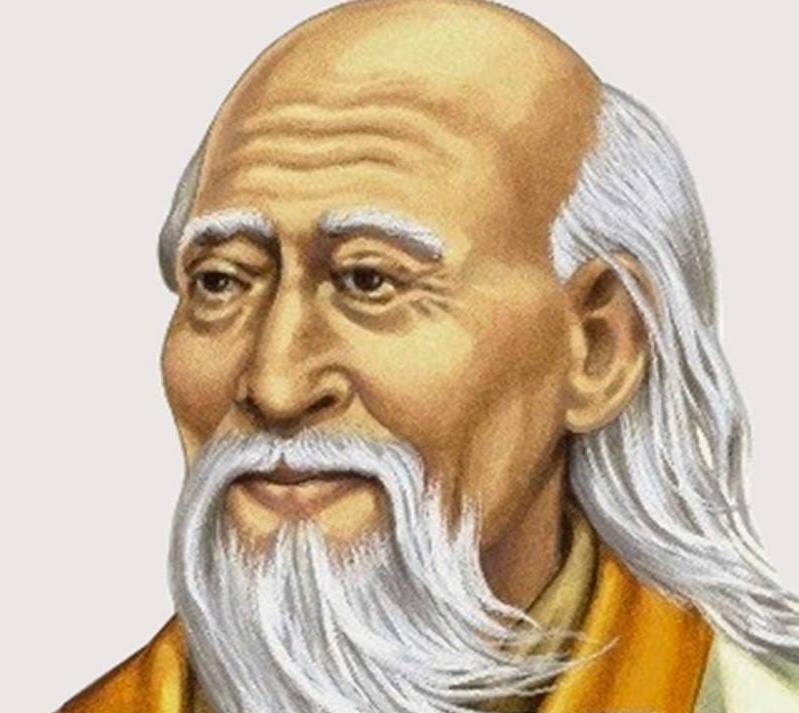
In the profound simplicity of Lao Tzu's words, "He who is content is rich," we encounter a powerful assertion about the nature of wealth and fulfillment. This statement invites us to reconsider our understanding of richness, urging us to look beyond material possessions and societal status. In a world often driven by the relentless pursuit of more—more money, more success, more validation—Lao Tzu offers a radical perspective: true richness lies in the state of our hearts and minds, in our ability to embrace contentment.
Contentment, as Lao Tzu suggests, is not merely the absence of desire but a deep-seated appreciation for what is. It challenges the conventional narrative that equates wealth with accumulation, instead proposing that the most profound form of abundance arises from within. This teaching resonates deeply in our contemporary lives, where the noise of external expectations can drown out the quiet voice of inner peace. To be rich in contentment is to cultivate a life that values simplicity, gratitude, and presence over the ceaseless chase for more.
The image / the metaphor
The imagery in Lao Tzu's quote evokes a sense of tranquility and fulfillment. The verb "is" suggests a state of being rather than a transient condition; it implies that contentment is an intrinsic quality, a rich inner landscape that one can inhabit. The word "rich" conjures visions of abundance, yet here it is juxtaposed with the notion of contentment, which often feels understated in a culture that glorifies excess. This contrast invites us to explore the depth of what it means to be truly wealthy, suggesting that the treasures of the heart far outweigh those of the material world.
In the speaker's tradition
Within the tradition of Taoism, Lao Tzu's teaching on contentment resonates with several core concepts, such as wu wei, or effortless action, and the idea of living in harmony with the Tao, or the natural way of the universe. Wu wei encourages us to let go of the struggle for control and instead embrace a state of flow, where contentment arises naturally from our alignment with the present moment. This understanding of contentment as a form of surrender is echoed in other spiritual traditions, where the relinquishing of desire leads to a profound sense of peace and fulfillment.
In the Tao Te Ching, Lao Tzu often contrasts the restless pursuit of desires with the tranquility found in simplicity and humility. For instance, in Chapter 33, he speaks of the wise person who knows that true strength lies in yielding and that true wealth is found in contentment. This echoes the Buddhist concept of sunyata, or emptiness, which teaches that attachment to desires leads to suffering, while the realization of inherent completeness brings liberation. Both traditions invite us to explore the richness of our inner lives as the foundation for true abundance.
Living the teaching
Consider a modern scenario where the teaching of contentment can be applied: imagine a person who has just received a promotion at work. While this achievement might initially bring joy, the subsequent pressure to perform and the fear of losing this status can overshadow the initial happiness. In this context, Lao Tzu's wisdom serves as a reminder that true richness does not come from external accolades but from a deep sense of self-acceptance and gratitude for the journey. By cultivating contentment in the present moment, one can navigate the challenges of ambition without losing sight of what truly matters.
Another application of this teaching can be found in relationships. In moments of conflict or misunderstanding, it is easy to become consumed by desires for validation or control. However, if we approach these situations with a mindset of contentment, we can foster deeper connections. By recognizing that our worth is not contingent upon the approval of others, we can engage with compassion and openness, allowing for healing and growth. In this way, contentment becomes a powerful tool for nurturing our relationships and enhancing our emotional well-being.
A reflection
As we reflect on Lao Tzu's assertion that "He who is content is rich," we are invited to explore our own relationship with contentment. What does it mean for you to be truly rich? In a world that often equates wealth with accumulation, how can you cultivate a sense of abundance from within? Consider this contemplative question as you navigate your daily life: How might embracing contentment transform your experience of wealth and fulfillment?




Join the BrightStar Community
Stay connected with daily inspiration, event announcements, and community wisdom