The Weight of Words: Integrity in Promise
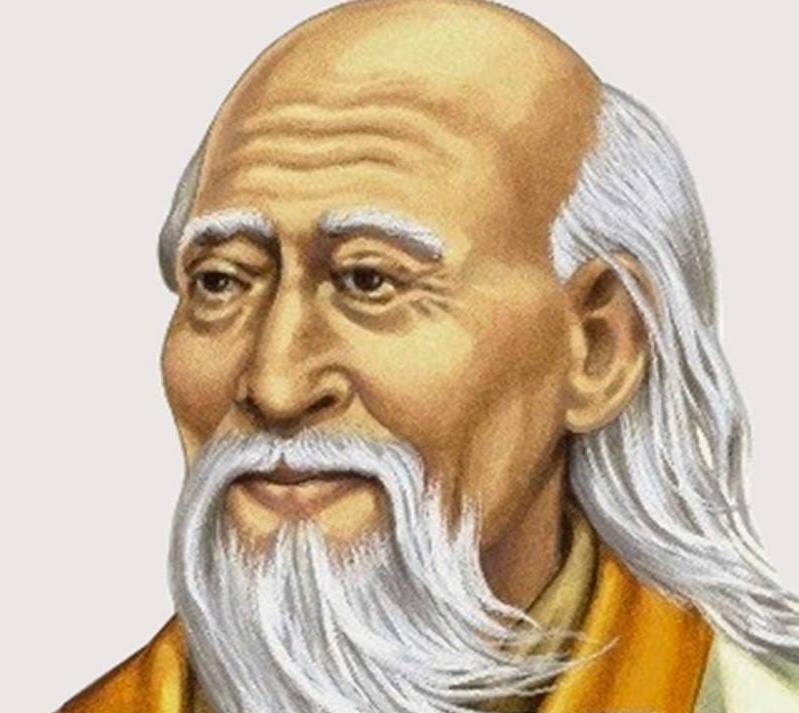
Lao Tzu's assertion, "He who lightly promises is sure to keep but little faith," invites us to reflect on the profound significance of our commitments. In a world where promises can be made and broken with alarming ease, this quote serves as a reminder of the weight our words carry. It challenges us to consider the integrity behind our intentions and the trust we build—or dismantle—through our actions. The stakes are high; our relationships, both personal and communal, hinge on the authenticity of our promises.
This teaching resonates deeply in a culture that often prioritizes expediency over sincerity. To promise lightly is to engage in a dance of superficiality, where the essence of trust is diluted. Lao Tzu’s wisdom urges us to cultivate a deeper understanding of our commitments, recognizing that true faith is nurtured through honesty and integrity. In this light, the quote becomes not merely a cautionary statement but a call to embody a more profound sense of responsibility in our interactions with others.
The image / the metaphor
The imagery within Lao Tzu's quote evokes a sense of fragility surrounding the act of promising. The word "lightly" suggests a lack of gravity, as if the promise is made without consideration or depth. This choice of verb paints a picture of promises that float away, unanchored and insubstantial, leaving behind a trail of disappointment. The phrase "keep but little faith" further emphasizes the consequences of such carelessness, hinting at the erosion of trust that follows when words are not backed by genuine intention.
In the speaker's tradition
Within the rich tapestry of Taoism, Lao Tzu’s emphasis on integrity and honesty resonates with the concept of "wu wei," or effortless action. This principle encourages individuals to align their actions with the natural flow of the universe, suggesting that true integrity arises not from forceful promises but from a harmonious relationship with oneself and others. In this light, the act of promising becomes a reflection of one’s inner state, where authenticity and sincerity are paramount.
Moreover, the notion of "prajna," or wisdom, is intricately linked to the understanding of promises in Taoist thought. Wisdom entails discerning the appropriate moment and context for making commitments, ensuring that our words align with our true intentions. This echoes the teachings found in the "Tao Te Ching," where Lao Tzu emphasizes the importance of being true to oneself and acting with integrity. By situating the quote within these broader concepts, we see that the essence of Lao Tzu's message transcends mere words, inviting us to embody a deeper wisdom in our interactions.
Living the teaching
Consider a modern scenario where this teaching finds relevance: a workplace setting where colleagues frequently make promises to meet deadlines or deliver results. In such an environment, the tendency to promise lightly can lead to a culture of mistrust and frustration. When one person fails to deliver on their promise, it not only affects their credibility but also undermines the collective morale of the team. By embracing Lao Tzu's wisdom, individuals can cultivate a practice of making promises that reflect their true capabilities, fostering a more supportive and trustworthy workplace.
In the realm of personal relationships, the implications of this teaching are equally profound. Imagine a situation where a friend casually promises to be there for you during a difficult time but fails to follow through. The disappointment that ensues can create a rift in the relationship, highlighting the fragility of trust. By consciously choosing to honor our commitments and communicate openly about our limitations, we can strengthen our bonds with others. This practice not only enhances our relationships but also deepens our understanding of integrity as a guiding principle in our lives.
A reflection
As we contemplate Lao Tzu's words, we are invited to examine our own relationship with promises and integrity. How often do we make commitments without fully considering their weight? In what areas of our lives can we cultivate a deeper sense of honesty and responsibility? Reflecting on these questions can lead us to a more authentic way of living, where our words and actions align, fostering trust and connection with those around us.




Join the BrightStar Community
Stay connected with daily inspiration, event announcements, and community wisdom