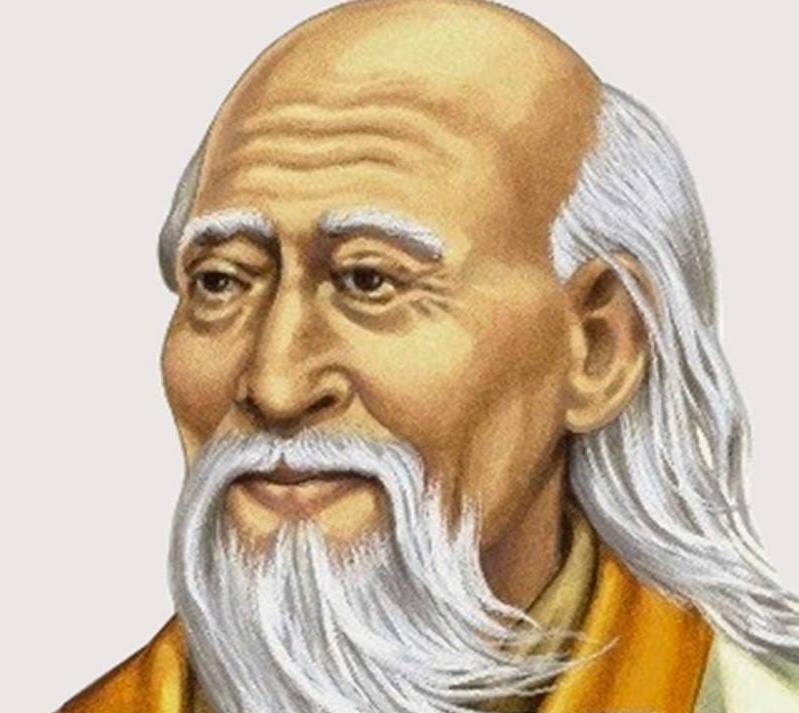
The Treasures of a Gentle Heart
Lao Tzu, the revered sage of Taoism, offers us a profound insight when he states, "I have three treasures which I cherish and hold fast: the first is gentleness; the second is frugality; the third is humility." In this succinct yet rich declaration, he invites us to consider the virtues that can guide our lives toward harmony and balance. The stakes are high; in a world often driven by ambition and excess, these treasures remind us of the strength found in simplicity and the power of a gentle spirit.
As we delve deeper into this quote, we recognize that these treasures are not merely personal attributes but foundational principles that can transform our interactions with ourselves and others. Gentleness, frugality, and humility are interwoven, creating a tapestry of values that promote peace and understanding. By holding fast to these qualities, we cultivate a way of being that resists the chaos of modern life, allowing us to navigate our paths with grace and intention.
The image / the metaphor
The imagery in Lao Tzu's quote evokes a sense of nurturing and care. The word "cherish" suggests a tender relationship with these treasures, indicating that they require attention and protection. Gentleness, as the first treasure, conjures images of soft winds or flowing water—forces that shape the world not through force but through patience and persistence. Frugality, the second treasure, speaks to a mindful approach to resources, encouraging us to appreciate what we have rather than coveting what we do not. Lastly, humility, the third treasure, invites us to recognize our place within the vast tapestry of existence, fostering a sense of connection rather than separation.
In the speaker's tradition
Within the context of Taoism, Lao Tzu's treasures resonate deeply with the principles of harmony and balance. The concept of "wu wei," or effortless action, aligns closely with gentleness, suggesting that true strength lies in aligning with the natural flow of life rather than forcing our will upon it. Similarly, frugality can be seen as an expression of "simplicity" (pu), which encourages us to strip away the unnecessary to reveal the essence of our being. Humility, in this light, reflects the Taoist understanding of "yin" and "yang," where the soft and yielding often prevail over the hard and unyielding.
In the "Tao Te Ching," Lao Tzu emphasizes the importance of these qualities throughout its verses. For instance, in Chapter 22, he states, "Yield and overcome; bend and be straight." This reinforces the idea that embracing gentleness and humility can lead to greater strength and resilience. The teachings of Lao Tzu invite us to cultivate these treasures not only for personal growth but as a means to contribute to the collective well-being of humanity.
Living the teaching
Consider a modern scenario where the teachings of gentleness, frugality, and humility can be applied: a workplace conflict. Imagine a team struggling with differing opinions on a project. By embodying gentleness, one can approach the situation with an open heart, listening to each perspective without judgment. This gentle approach fosters an environment where collaboration can thrive, allowing for creative solutions to emerge. Frugality in this context might mean valuing the contributions of each team member rather than seeking to dominate the conversation, while humility reminds us that no single person holds all the answers.
In personal relationships, these treasures can also play a transformative role. Picture a moment of tension between partners, where misunderstandings have led to hurt feelings. By practicing gentleness, one partner can choose to respond with kindness rather than defensiveness, creating space for healing. Frugality can manifest as a conscious effort to appreciate the small, everyday gestures that often go unnoticed, while humility encourages both partners to acknowledge their imperfections and the shared journey they are on. In these ways, Lao Tzu's teachings become living practices that enrich our connections with others.
A reflection
As we reflect on Lao Tzu's treasures, we are invited to consider how we might incorporate gentleness, frugality, and humility into our own lives. What would it look like to cherish these qualities in our daily interactions? In moments of challenge or conflict, how can we embody gentleness, practice frugality in our desires, and embrace humility in our relationships? These contemplative questions serve as a guide, encouraging us to explore the depths of our own hearts and the impact we can have on the world around us.




Join the BrightStar Community
Stay connected with daily inspiration, event announcements, and community wisdom