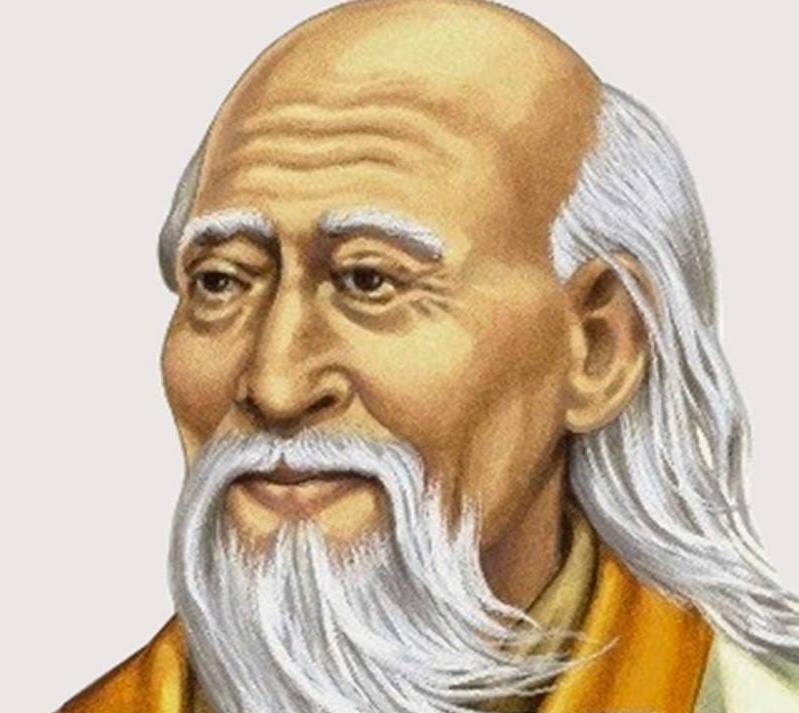
The Freedom of Authenticity: Breaking the Chains of Others' Opinions
Lao Tzu's assertion that "Care about what other people think and you will always be their prisoner" speaks to the profound struggle many face in their quest for authenticity. This quote encapsulates the tension between societal expectations and the inner call to live freely and genuinely. In a world rife with judgment and comparison, the stakes are high; the more we tether our self-worth to external validation, the more we risk losing our true selves. This teaching invites us to explore the nature of freedom and the courage required to embrace our individuality.
In a society that often prioritizes conformity over authenticity, Lao Tzu's wisdom resonates deeply. The notion that our thoughts and actions can be dictated by the perceptions of others highlights a fundamental aspect of human psychology: the desire for acceptance. Yet, this desire can lead to a form of self-imprisonment, where we sacrifice our true essence for the fleeting approval of others. By recognizing this dynamic, we can begin to disentangle ourselves from the chains of external judgment and embark on a journey toward self-reliance and inner peace.
The image / the metaphor
The imagery in Lao Tzu's quote evokes a vivid sense of captivity. The word "prisoner" conjures images of confinement, suggesting that the opinions of others can act as invisible bars, restricting our freedom and limiting our potential. The choice of the verb "care" implies an emotional investment that can lead to a loss of agency. When we prioritize others' perceptions over our own truth, we willingly enter a cage of our own making, surrendering our autonomy to the whims of external judgment.
Diving deeper into this metaphor, we can see that the prison of others' opinions is not merely a physical constraint but a psychological one. It represents the internalized voices of critics, societal norms, and cultural expectations that shape our self-image. This internal dialogue can become a relentless echo, drowning out our authentic voice. To break free from this metaphorical prison, we must cultivate awareness and discernment, recognizing when we are allowing external influences to dictate our sense of self-worth.
In the speaker's tradition
Within the context of Taoism, Lao Tzu's teaching aligns with the concept of wu wei, or "non-action." This principle encourages individuals to align with the natural flow of life rather than resist it through the imposition of societal expectations. By embracing wu wei, we learn to trust our instincts and intuition, allowing our true selves to emerge without the burden of external validation. This self-reliance is a cornerstone of Taoist philosophy, emphasizing the importance of living in harmony with one's own nature.
Moreover, the idea of authenticity in Taoism can be likened to the Buddhist concept of sunyata, or emptiness. Just as sunyata invites practitioners to let go of attachments and preconceived notions, Lao Tzu's wisdom encourages us to release our dependence on others' opinions. In both traditions, the path to liberation involves shedding the layers of ego and societal conditioning to reveal the true self. The Tao Te Ching serves as a guide, reminding us that true freedom lies in the acceptance of our authentic nature.
Living the teaching
Consider a modern scenario where this teaching might resonate: a workplace environment where performance reviews and peer evaluations dominate the culture. An employee may find themselves constantly seeking approval from supervisors and colleagues, leading to stress and anxiety. In this context, Lao Tzu's wisdom serves as a reminder that true fulfillment comes from aligning one's work with personal values rather than striving for external accolades. By focusing on intrinsic motivation and personal growth, the individual can break free from the prison of others' opinions and cultivate a more authentic professional identity.
This teaching can also be applied in personal relationships, where the desire for acceptance can lead to inauthentic interactions. Imagine a friendship where one person feels compelled to agree with the other's opinions to maintain harmony. This dynamic can create a façade that stifles genuine connection. By embracing Lao Tzu's insight, individuals can learn to express their true feelings and thoughts, fostering deeper, more meaningful relationships. In doing so, they not only liberate themselves but also invite others to do the same, creating a space for authenticity to flourish.
A reflection
As we contemplate Lao Tzu's profound teaching, we are invited to reflect on our own lives: In what ways do we allow the opinions of others to shape our identity? This question encourages us to examine the areas where we may feel constrained by external expectations and to consider how we might reclaim our freedom. By engaging in this introspection, we can begin to cultivate a deeper sense of self-reliance and authenticity, ultimately leading to a more fulfilling and liberated existence.




Join the BrightStar Community
Stay connected with daily inspiration, event announcements, and community wisdom